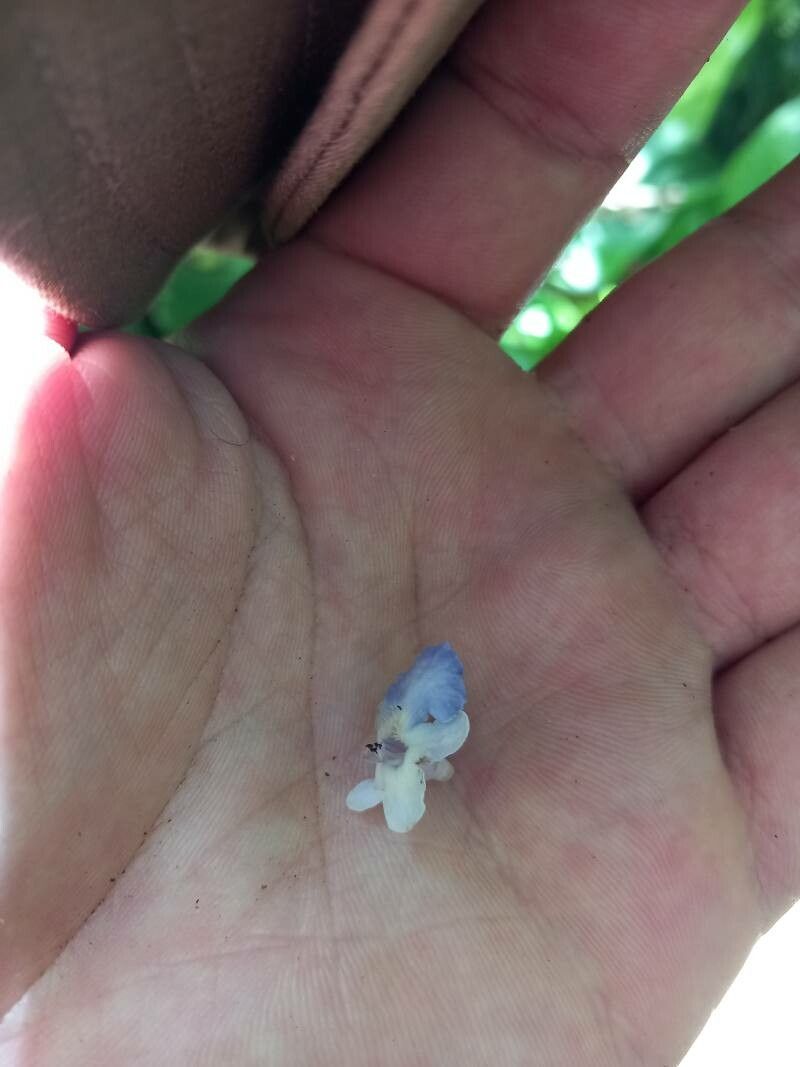
Hello there, fellow garden enthusiasts! Today, we’re diving into the wonderful world of propagating Vitex divaricata, also known as the Broad-leaved Varnish Tree. I’ve spent a good chunk of my life with my hands in the soil, and let me tell you, the satisfaction of creating new life from an existing plant is truly something special. Vitex divaricata is a gorgeous specimen with its elegant foliage and often fragrant blooms, and propagating it is a rewarding journey that’s surprisingly accessible. Don’t worry if you’re just starting out; while it has its little quirks, it’s certainly not an insurmountable challenge.
The Best Time to Start
For the absolute best chance of success with your Vitex divaricata, I always recommend working with softwood or semi-hardwood cuttings. This typically means capturing the plant when it’s actively but not aggressively growing. Think late spring or early summer. You’re looking for stems that have elongated a bit since the last pruning but are still flexible and not yet woody. If you miss that window, don’t fret too much; you can sometimes get away with slightly older cuttings taken in late summer, but the spring/early summer period is your green light.
Supplies You’ll Need
Before we get our hands dirty, let’s make sure we have our tools ready. A little preparation goes a long way!
- Sharp Pruning Shears or a Blade: Cleanliness is key here. You want to make a clean cut to avoid damaging the stem.
- Rooting Hormone: While not strictly essential for every plant, it gives your Vitex divaricata a significant boost. I prefer the powder form, but gel works too.
- Well-Draining Potting Mix: A simple mix of equal parts peat moss and perlite or coarse sand is fantastic. You want something that won’t hold too much moisture.
- Small Pots or Propagation Trays: Anything that can hold your soil and cuttings, with drainage holes, of course.
- Plastic Bags or a Propagator: This helps create a humid environment for your cuttings.
- Water: For softening the rooting hormone and misting.
- Labels: Trust me, future you will thank you for labeling your cuttings!
Propagation Methods
Let’s get down to the practicalities. My go-to method for Vitex divaricata is stem cuttings, and here’s how I do it:
- Take Your Cuttings: With your clean pruning shears, select healthy stems from your parent plant. Aim for cuttings that are about 4 to 6 inches long. Make your cut just below a leaf node (where a leaf attaches to the stem). This is where the magic happens for root development.
- Prepare the Cuttings: Gently remove any leaves from the bottom half of your cutting. We don’t want these to rot in the soil. You can leave 1-2 sets of leaves at the top to help with photosynthesis. If your leaves are very large, you can even cut them in half horizontally to reduce water loss.
- Apply Rooting Hormone: Dip the cut end of the stem into water, then into your rooting hormone powder. Tap off any excess. You want a light, even coating.
- Plant Your Cuttings: Fill your pots with your prepared potting mix. Make a small hole in the center with your finger or a pencil. Insert the treated end of the cutting into the hole, then gently firm the soil around it.
- Water and Cover: Water the soil thoroughly but gently. You want it moist, not waterlogged. Then, cover the pot loosely with a plastic bag or place it in a propagator. This creates a mini-greenhouse effect.
The “Secret Sauce” (Pro Tips)
Now, for a couple of things I’ve learned over the years that really make a difference with trickier plants, and Vitex divaricata can benefit from these nudges:
- Bottom Heat is Your Friend: If you have a heated propagation mat, using it is a game-changer. Providing gentle warmth from below encourages root development much faster and more reliably than just room temperature alone. I’ve found it significantly increases my success rates.
- Don’t Let Leaves Touch the Water: If you opt for water propagation (which can work for Vitex divaricata, though I find cuttings more reliable), be very strict about ensuring no leaves are submerged. Rot sets in incredibly quickly if foliage sits in stagnant water. Change the water regularly if you go this route.
Aftercare & Troubleshooting
Once your cuttings are planted, the waiting game begins! Keep them in a bright spot but out of direct, harsh sunlight. The plastic covering will help maintain humidity, so you don’t need to water too often, but check the soil moisture every few days. Misting the leaves occasionally can also be beneficial.
After a few weeks, you should start to see signs of life – new leaf growth is the best indicator! You can also gently tug on a cutting to feel for resistance, which means roots have formed. Once they’re well-rooted, you can gradually acclimate them to drier air by removing the plastic cover for longer periods each day before removing it entirely.
The most common problem you’ll face is rot. If a cutting turns black and mushy, unfortunately, it’s gone. This usually happens due to too much moisture, poor drainage, or lack of air circulation. If you see signs of rot, remove the affected cutting immediately and ensure your remaining ones have good airflow and are not overwatered.
A Encouraging Closing
Propagating plants is an act of faith, really. You’re placing your trust in nature’s incredible ability to regenerate. Be patient with your Vitex divaricata cuttings. Some will take off quickly, while others might take their sweet time. Don’t get discouraged if you have a few failures; it’s all part of the learning process. Enjoy the quiet observation, the satisfaction of seeing those tiny roots emerge, and the absolute joy of creating new life for your garden. Happy propagating!
Resource:
https://identify.plantnet.org/k-world-flora/species/Vitex%20divaricata%20Sw./data