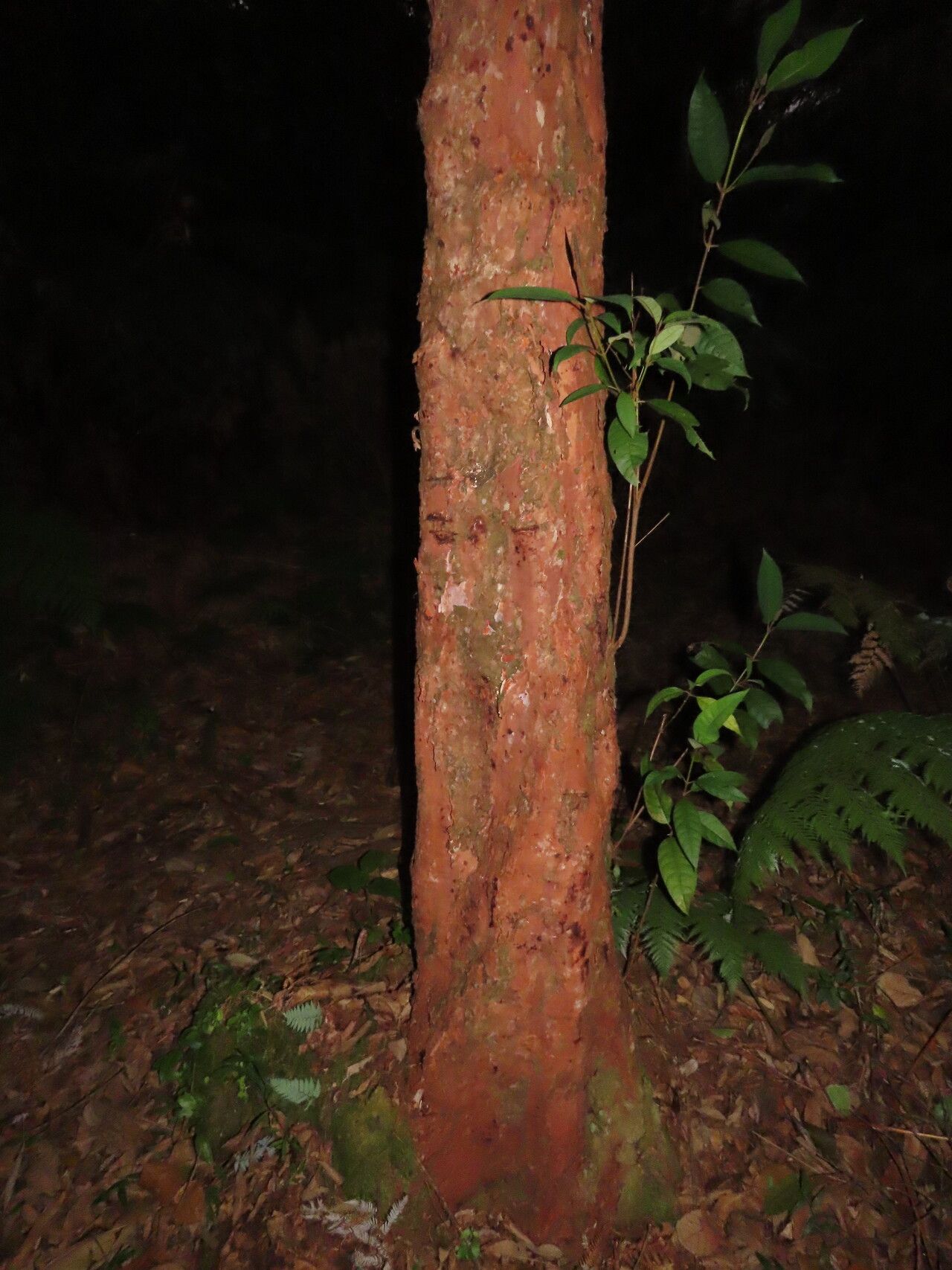
Hey there, fellow plant lovers! It’s so lovely to connect with you today. We’re going to dive into something truly special: propagating Vismia baccifera. You might know this gorgeous plant for its glossy leaves and, if you’re lucky, its delightful little berries. I’ve spent years nurturing these beauties, and the joy of seeing a tiny cutting transform into a thriving plant never gets old.
Many of you ask if Vismia baccifera is a good plant for beginners to propagate. Honestly, with a little patience and the right approach, it’s quite achievable! It’s definitely a rewarding plant to experiment with, and sharing little babies with friends is one of my favorite garden pleasures.
The Best Time to Start
For the highest success rate, I always recommend starting your Vismia baccifera cuttings in late spring or early summer. This is when the plant is in its most vigorous growth phase. The warmer temperatures and longer daylight hours really encourage roots to form quickly. You can also try in early autumn, but growth will be slower.
Supplies You’ll Need
Gathering your supplies before you begin makes the whole process smoother. Here’s what you’ll want on hand:
- Sharp, clean pruning shears or a sharp knife: Essential for making clean cuts.
- Rooting hormone (powder or gel): This isn’t strictly necessary, but it gives your cuttings a significant boost.
- A well-draining potting mix: I like a blend of equal parts peat moss, perlite, and coarse sand. This ensures good aeration and prevents waterlogging.
- Small pots or propagation trays: Clean pots are key to preventing fungal issues.
- A watering can with a fine rose attachment: Gentle watering is important for delicate cuttings.
- A plastic bag or propagation dome: To create a humid environment.
- Optional: A heat mat: This can speed up root development, especially in cooler conditions.
Propagation Methods
Vismia baccifera is primarily propagated from stem cuttings. It’s straightforward and yields excellent results.
Stem Cuttings
- Select your parent plant: Choose a healthy, vigorous Vismia baccifera that is actively growing.
- Take the cutting: Using your clean shears, make a cut just below a leaf node (the point where a leaf attaches to the stem). Aim for cuttings that are about 4-6 inches long. Remove any lower leaves, leaving just a few at the top.
- Apply rooting hormone: If you’re using it, dip the cut end of the stem into the rooting hormone, ensuring it’s coated. Tap off any excess.
- Plant the cutting: Make a small hole in your prepared potting mix using a pencil or your finger. Insert the cut end of the stem into the hole, firming the soil gently around it.
- Water gently: Give the pot a light watering, just enough to moisten the soil.
- Create humidity: Cover the pot with a plastic bag or place it inside a propagation dome. Make sure the leaves do not touch the sides of the bag or the dome. If they do, they can encourage rot.
- Provide light: Place the pot in a bright location but out of direct sunlight. A sunny windowsill that gets filtered light is perfect.
- Rooting time: Be patient! It can take anywhere from 4-8 weeks for your cuttings to develop a good root system. You can gently tug on the cutting; if there’s resistance, you know roots are forming.
The “Secret Sauce” (Pro Tips)
Here are a few little tricks I’ve learned over the years that can really make a difference:
- Don’t be afraid of thicker cuttings: While thin, wispy stems are tempting, I find that slightly thicker, more mature stems (but still actively growing) have a better chance of success. They have more stored energy to put into root development.
- Bottom heat is your friend: If you have a heat mat, placing your pots on it can significantly speed up rooting. The warmth encourages root growth from below. It’s like giving your cuttings a cozy foot spa!
- Refresh the water (if water propagating): While I primarily recommend soil propagation for Vismia baccifera, if you choose to root in water, remember to change the water every few days. Stagnant water is a breeding ground for bacteria and can lead to rot.
Aftercare & Troubleshooting
Once you see roots forming (either by that gentle tug test or by seeing roots emerge from the drainage holes), it’s time for a little extra TLC.
- Acclimate them slowly: Begin by removing the plastic bag or dome for an hour or two each day, gradually increasing the time until the cutting is used to open air.
- Water consistently: Keep the soil consistently moist but not waterlogged. Overwatering is one of the most common culprits of failure.
- Transplant when ready: When your new plant has a robust root system and shows new growth, you can transplant it into a slightly larger pot with fresh potting mix.
Signs of trouble usually involve wilting without recovery, browning or mushy stems, or a general lack of progress. Most often, this points back to watering issues – either too much or too little – or a lack of humidity. Don’t get discouraged if a few don’t make it. Every gardener has propagation failures! It’s all part of learning.
A Little Encouraging Closing
Propagating plants is a journey, and each cutting is a little experiment. Don’t strive for perfection right away. Embrace the process, celebrate the small victories, and enjoy the magic of creating new life. Your Vismia baccifera babies will thank you for it! Happy propagating!
Resource: