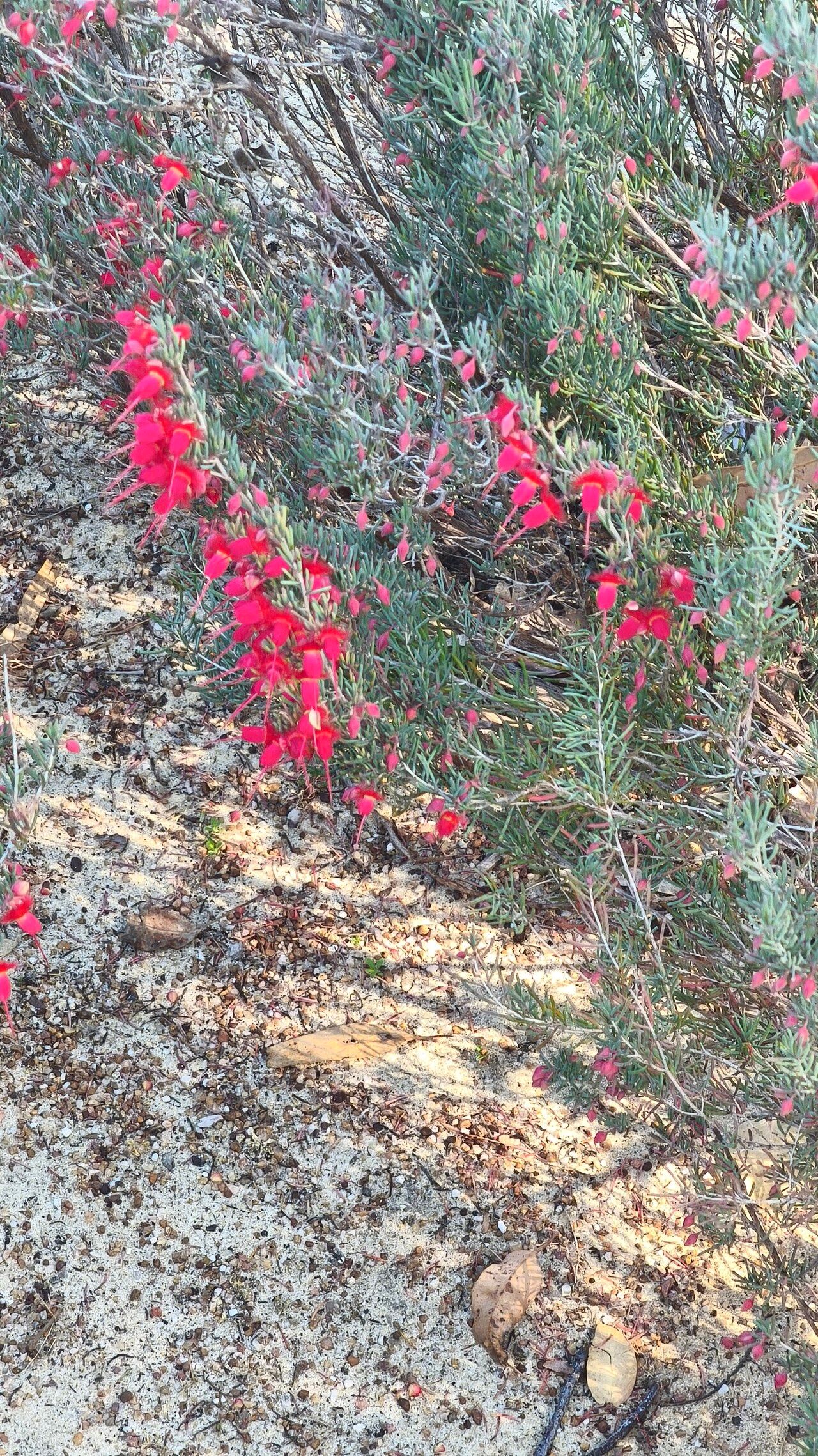
Oh, it’s lovely to see you here! Today, we’re diving into the wonderful world of propagating Verticordia mitchelliana. If you’ve ever seen these delicate, fringed blooms cascading like tiny waterfalls, you know why they capture our hearts. They bring a touch of the Australian bush to any garden, and the sheer joy of coaxing a new plant into being from a little piece of the parent is, well, it’s magic, isn’t it? Now, I’ll be honest, Verticordia mitchelliana isn’t the absolute easiest plant for absolute beginners to propagate. It can be a touch finicky, but with a little attention and these tried-and-true methods, you’ll be well on your way to success. The reward of seeing those tiny roots form and a new plant unfurl its leaves is absolutely worth the effort.
The Best Time to Start
For Verticordia mitchelliana, the sweet spot for propagation is generally late spring to early summer. This is when the plant is actively growing after its winter rest and before the intense heat of mid-summer really kicks in. You’re looking for semi-hardwood cuttings, which means stems that are no longer soft and bendy like new growth, but not yet woody and stiff. They should snap cleanly when bent gently, not just fold over. Think of it as the perfect stage of development – strong enough to survive the process, but still brimming with life and adaptable.
Supplies You’ll Need
Gathering your tools beforehand makes the whole process so much smoother. Here’s what I always have on hand:
- Sharp, sterile pruning shears or a sharp knife: Clean cuts are crucial to prevent disease.
- Rooting hormone powder or gel: This isn’t strictly essential for every plant, but it significantly boosts your success rate with fussier varieties like Verticordia.
- A well-draining potting mix: I like to use a mix that’s roughly 50% perlite and 50% peat moss or coir. Some growers also add a little coarse sand. The key is excellent drainage.
- Small pots or seed trays with drainage holes: Choose pots that are just large enough for the cuttings to sit comfortably.
- A clear plastic bag or a propagator lid: This helps maintain high humidity, which is vital for cuttings.
- Water spray bottle: For misting.
- Labels: Don’t forget to label your cuttings with the date and variety!
Propagation Methods: Stem Cuttings
This is generally the most reliable method for Verticordia mitchelliana.
- Take Your Cuttings: In late spring or early summer, select healthy, non-flowering stems from a mature plant. Using your sterile shears, take cuttings that are about 4-6 inches long. Make your cut just below a leaf node (where a leaf attaches to the stem).
- Prepare the Cuttings: Gently remove the lower leaves from the cutting, leaving only the top few leaves intact. This will prevent them from rotting in the soil. If the leaves are quite large, you can even cut them in half horizontally to reduce water loss through transpiration.
- Apply Rooting Hormone: Dip the cut end of each cutting into your rooting hormone powder or gel, ensuring it’s coated evenly. Tap off any excess.
- Plant Your Cuttings: Fill your small pots with the well-draining potting mix. Make a small hole in the center of the soil with a pencil or your finger. Carefully insert the base of the cutting into the hole, ensuring the rooting hormone remains in place. Gently firm the soil around the cutting to provide support.
- Water and Cover: Water the cuttings thoroughly but gently. You want the soil to be moist, not soggy. Place the pots into a clear plastic bag or cover them with a propagator lid. This creates a mini-greenhouse effect, keeping the humidity high.
The “Secret Sauce” (Pro Tips)
Here are a couple of tricks that have saved many a cutting for me over the years:
- Bottom Heat is Your Friend: If you have access to a heat mat designed for propagators, use it! Providing gentle warmth from below can significantly speed up root formation, especially if your ambient room temperature isn’t consistently warm. You want the soil temperature to be around 70-75°F (21-24°C).
- Don’t Let the Leaves Touch the Water: When you water your cuttings, make sure no leaves are sitting in pooled water. This is a fast track to rot and fungal issues. If using a tray for the pots, be mindful of how much water collects.
- Ventilate Periodically: While we need high humidity, stagnant air can also encourage mold. Open the plastic bag or propagator lid for about 15-30 minutes each day to allow for fresh air circulation.
Aftercare & Troubleshooting
Once your cuttings are planted, place them in a bright spot that receives indirect sunlight. Direct sun will scorch them. Keep the soil consistently moist but not waterlogged. Peek under the plastic every few days. You’re looking for signs of new growth – tiny leaves unfurling or a slight resistance when you gently tug on the cutting. This usually takes 4-8 weeks, sometimes longer.
The most common sign of trouble is rot. If you see blackened stems or the leaves turn yellow and mushy, it’s likely rot. If this happens, you may need to discard the affected cuttings and ensure your watering and drainage are spot on for the remaining ones. Sometimes, just a lack of root development can be disheartening, but frustration leads to hasty decisions. Be patient!
A Little Patience Goes a Long Way
There you have it! Propagating Verticordia mitchelliana is a journey, and like any good journey, it’s about the process as much as the destination. Don’t get discouraged if your first few attempts aren’t perfect. Each cutting you nurture is a lesson learned, and each successful new plant is a triumph you’ll be incredibly proud of. So, gather your supplies, find a quiet moment, and enjoy the gentle art of coaxing life from a stem. Happy gardening!
Resource:
https://identify.plantnet.org/k-world-flora/species/Verticordia%20mitchelliana%20C.A.Gardner/data