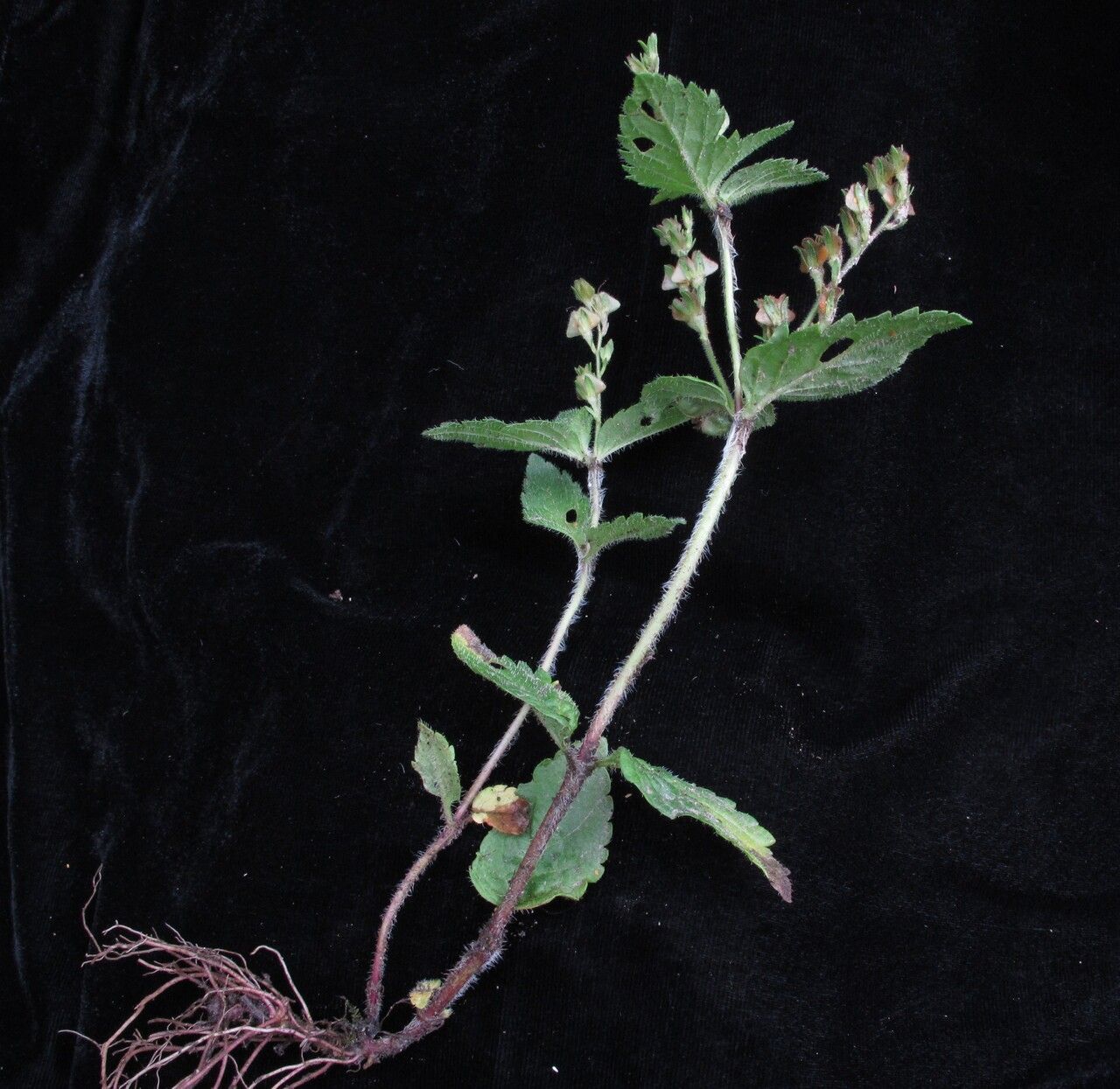
Oh, Veronica deltigera! If you haven’t met this beauty, get ready to fall in love. Its delicate, spiky blooms add such wonderful texture and color to any garden, and honestly, seeing a little piece of that magic grow into its own full plant is one of the most satisfying feelings a gardener can have. It’s a truly rewarding endeavor, and I’m happy to guide you through it. For those new to plant propagation, Veronica deltigera is a joy to work with – it’s quite forgiving!
The Best Time to Start
Timing is everything in the garden, isn’t it? For Veronica deltigera, early to mid-spring is your golden window. This is when the plant is actively growing after its winter rest but before the heat of summer really sets in. You’ll want to take cuttings from healthy, new shoots that are not flowering yet. Look for stems that are firm but still flexible.
Supplies You’ll Need
Gathering your tools beforehand makes the whole process so much smoother. Here’s what you’ll want on hand:
- Sharp, clean pruning shears or a sharp knife. Sterilize them with rubbing alcohol before you begin.
- A light, well-draining potting mix. A blend of peat moss or coco coir, perlite, and a bit of compost works wonderfully.
- Small pots or seed trays with drainage holes.
- Rooting hormone (optional, but it can give you a nice boost).
- A gentle misting bottle.
- A plastic bag or propagator lid to create a humid environment.
Propagation Methods
Two methods work beautifully for Veronica deltigera, and I often use both depending on what I have available.
Stem Cuttings
This is my go-to method for multiplying my Veronica plants.
- Select Your Cuttings: Look for healthy, non-flowering stems. You want pieces about 4-6 inches long.
- Make the Cut: Using your sterilized shears, make a clean cut just below a leaf node (where a leaf attaches to the stem).
- Prepare the Cutting: Gently remove the lower leaves, leaving just a couple at the top. This prevents them from rotting in the soil.
- Apply Rooting Hormone: If you’re using rooting hormone, dip the cut end into the powder or gel. Tap off any excess.
- Plant the Cuttings: Insert the prepared cuttings about an inch deep into your moist potting mix. Make sure the leaf nodes are below the soil surface, as this is where roots will emerge.
- Provide Humidity: Water gently to settle the soil around the cuttings. Then, cover the pots with a plastic bag or propagator lid to trap humidity. Open it daily for a few minutes to allow for air circulation.
- Placement: Place the pots in a bright spot out of direct sunlight.
Water Propagation
This method is so visually satisfying!
- Select and Prepare Cuttings: Follow steps 1 and 2 above for selecting and cutting your stems.
- Remove Lower Leaves: As before, strip off the lower leaves.
- Place in Water: Put the cuttings in a clean jar or glass of water, ensuring that no leaves are submerged. Just the bare stem should be in the water.
- Change Water Regularly: Change the water every few days to keep it fresh and prevent rot.
- Waiting Game: Place the jar in a bright location away from direct sun. You’ll start to see tiny roots emerging from the leaf nodes.
The “Secret Sauce” (Pro Tips)
Here are a couple of things I’ve learned over the years that can really make a difference:
- Bottom Heat is Your Friend: If you can, placing your pots on a heated propagator mat can significantly speed up root formation. It mimics the warmth of spring soil and really encourages the roots to get going.
- Don’t Drown Your Cuttings: When water propagating, it’s crucial that the leaves stay above the water. If they are submerged, they will turn yellow and rot, often taking the whole cutting with them.
- Patience with the Potting: Once roots have formed from water propagation, it’s tempting to pot them up immediately. However, I like to let the roots develop a bit more – about an inch long – before transplanting them. This gives them a stronger start.
Aftercare & Troubleshooting
Once your cuttings have developed a good root system (you’ll see them peeking out of the drainage holes or feel some resistance when you gently tug on a water-propagated cutting), it’s time for their own pots.
- Transplanting: Gently pot them into their own small containers. Continue to keep them in a bright, indirect light spot and water them consistently, but don’t overwater. The goal is moist, not soggy.
- Acclimatizing: If you used a propagator or plastic bag, gradually remove the cover over a few days to allow the new plant to adjust to normal humidity levels.
- Signs of Trouble: The most common issue is rot, which usually stems from too much moisture. If you see yellowing leaves followed by mushy stems, it’s a sign of overwatering or poor air circulation. Discard any rotted cuttings. Brown, crispy leaves usually indicate the cutting is too dry or receiving too much direct sun.
A Encouraging Closing
Growing new plants from cuttings is a wonderful way to connect with nature and expand your garden for free! Be patient with the process. Some cuttings will take off immediately, while others might be a little slower. Don’t get discouraged if not every attempt is a roaring success. Just learn from it, try again, and most importantly, enjoy the journey of nurturing these little green lives. Happy propagating!
Resource:
https://identify.plantnet.org/k-world-flora/species/Veronica%20deltigera%20Wall.%20ex%20Benth./data