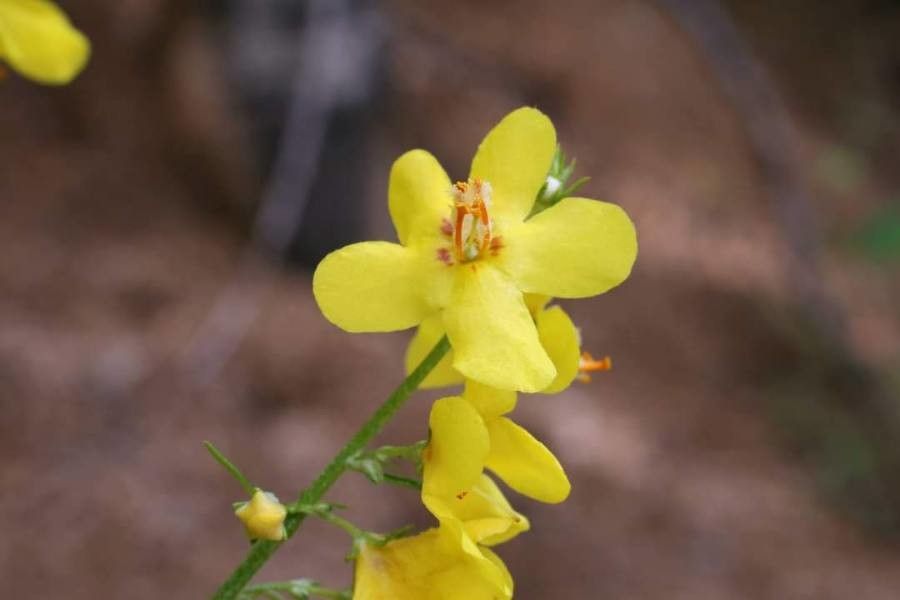
Hello fellow garden enthusiasts! Today, we’re diving into the wonderful world of Verbascum humile, also known as Dwarf Mullein. If you’re looking for a plant that adds a touch of wildflower charm and beautiful, spiky blooms to your garden, this is it. Plus, propagating it yourself is incredibly rewarding and, I’m happy to say, quite achievable for beginners! Watching those little plants sprout from your efforts is pure magic.
The Best Time to Start
The sweet spot for propagating Verbascum humile is spring. As soon as the risk of frost has passed and the soil is warming up, you’re in a prime position. This gives your cuttings or divisions plenty of time to establish themselves before the heat of summer or the chill of winter sets in. Don’t rush it too early, though; you want to see active growth happening.
Supplies You’ll Need
Here’s what you’ll want to have on hand to set yourself up for success:
- Sharp, clean pruning shears or a sharp knife: For making clean cuts.
- Rooting hormone (optional but recommended): A powder or gel to encourage root development.
- Well-draining potting mix: A good starter mix is usually fine, or you can create your own with equal parts peat moss, perlite, and compost.
- Small pots or seed trays: With drainage holes, of course!
- Watering can or spray bottle: For gentle watering.
- Labels and a marker: So you don’t forget what you planted where!
- A sunny windowsill or a protected outdoor spot: With bright, indirect light.
Propagation Methods
Verbascum humile is quite obliging, and you’ll find a couple of methods work wonderfully.
1. Stem Cuttings (The Most Common Approach)
This is my go-to for Verbascum.
First, select healthy, non-flowering stems from a mature plant. Aim for stems that are a few inches long. Using your sharp shears, make a clean cut just below a leaf node. A leaf node is where a leaf attaches to the stem.
Next, gently remove the lower leaves from the cutting, leaving just a couple at the very top. If the leaves are large, you can even snip them in half to reduce water loss.
Now, dip the cut end of the stem into your rooting hormone. Tap off any excess.
Fill your small pots with your well-draining potting mix. Make a small hole in the center of the mix with your finger or a pencil, and insert the cutting. Gently firm the soil around the base of the cutting to ensure good contact.
Water gently to settle the soil. You want the soil to be moist but not waterlogged.
Place your pots in a location with bright, indirect light. Keep the soil consistently moist. You can cover the pots with a clear plastic bag or a propagation dome to create a humid environment, but make sure to open it for a few minutes each day to allow for air circulation. This helps prevent fungal issues.
2. Division (For Established Plants)
If you have a mature, well-established Verbascum humile, you might notice it’s starting to form clumps.
In spring, when the plant is actively growing, gently dig up the entire clump. You can sometimes even gently pull apart sections of the root ball with your hands. If the roots are tough, use a clean trowel or a sharp knife to divide the clump into smaller sections.
Ensure each section has a good amount of roots and at least one healthy growing point.
Replant these divisions immediately into their new locations, whether that’s back in the same garden bed or into pots. Water them well and treat them as you would a newly transplanted plant.
The “Secret Sauce” (Pro Tips)
Let’s spill a little of that garden magic!
- Don’t let the leaves touch the water in propagation trays. If you’re using a watering method where the water level is constant, make sure the leaves are well above it. This is a surefire way to invite rot.
- Bottom heat is your friend. While not strictly necessary for Verbascum, if you’re propagating in spring before it’s consistently warm, placing your pots on a seedling heat mat can significantly speed up root development. It really gives those little roots a cozy boost!
- Tap water can be harsh. If your tap water is very hard or chemically treated, let it sit out overnight before using it to water your cuttings. This allows some of the chlorine to dissipate, making it a gentler drink for your new plants.
Aftercare & Troubleshooting
Once you start seeing new leaves emerging or feel a gentle tug when you lightly pull on a cutting (a sign of roots!), it’s time to transition to a slightly different care routine.
Gradually reduce the humidity if you were using a cover. Water when the top inch of soil feels dry. Continue to keep them in bright, indirect light. Once they have a robust root system – you’ll see roots coming out of the drainage holes – you can pot them up into slightly larger containers or transplant them into their permanent garden spot.
The most common enemy you’ll face is rot. If your cuttings look mushy, dark, or just suddenly collapse, it’s likely rot, usually caused by too much moisture and not enough air circulation. Don’t overwater! It’s better to err on the side of slightly too dry than too wet. If you see signs of rot, try to remove the affected cutting immediately and improve air circulation.
A Encouraging Closing
Propagating Verbascum humile is such a delightful way to expand your garden and share these lovely plants with friends. Be patient with the process; nature has its own rhythm. With a little care and these tips, I’m confident you’ll be celebrating your own little Verbascum success stories. Happy gardening!
Resource:
https://identify.plantnet.org/k-world-flora/species/Verbascum%20humile%20Janka/data