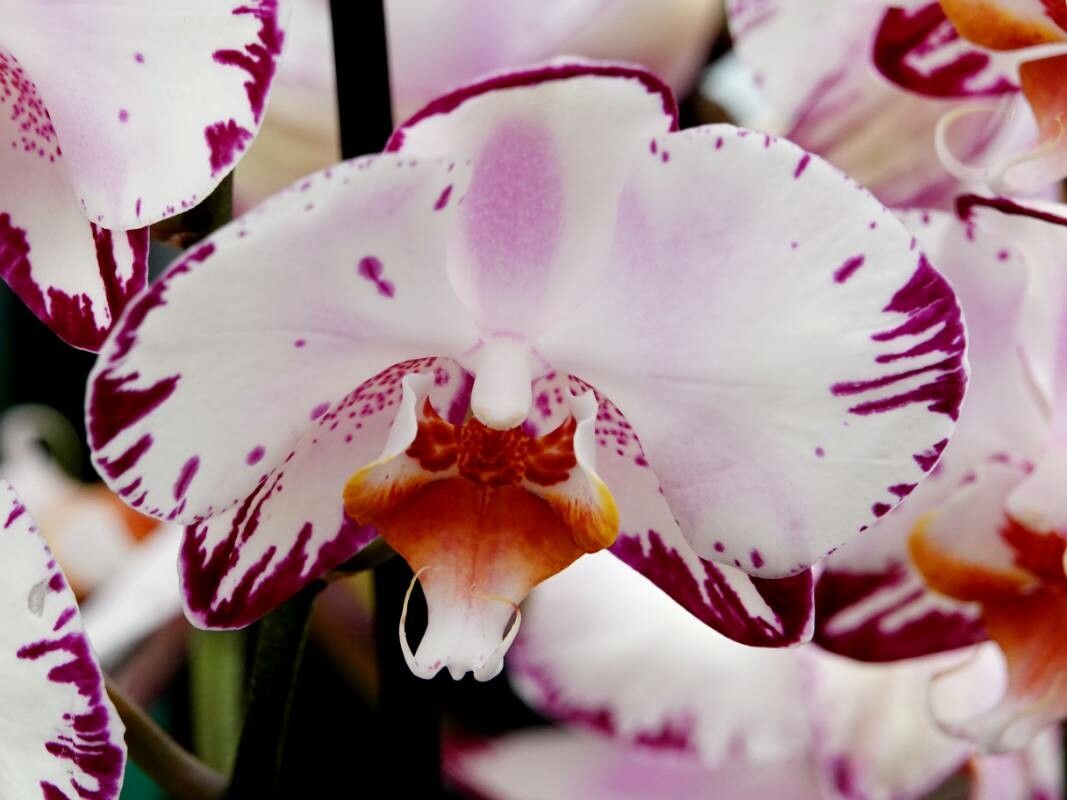
Oh, Vanda tricolor! If you’ve ever seen one of these beauties in full bloom, with its striking patterns and vibrant colors, you know the magic. Bringing a bit of that enchantment into your own home, or sharing it with a fellow orchid enthusiast, is a truly special feeling. Propagating them, however, can feel a bit daunting at first. Now, for absolute beginners, I wouldn’t say Vanda tricolor is the easiest orchid to start with, but with a little care and attention, it’s absolutely achievable, and oh-so-rewarding.
The Best Time to Start
Generally, the best time to try propagating your Vanda tricolor is when the plant is actively growing. This usually means during the warmer months, when days are longer and temperatures are more consistent. Think late spring through summer. You’re looking for a healthy, established plant, not one that’s stressed or dormant.
Supplies You’ll Need
Gathering your tools beforehand makes the whole process smoother. Here’s what I like to have on hand:
- Sharp, clean pruning shears or a sterile knife: For making clean cuts.
- Orchid bark mix: A coarse, airy blend is crucial. I often use a mixture of medium-grade orchid bark, perlite, and a bit of charcoal.
- Sphagnum moss: Good quality, long-fibered sphagnum moss is excellent for retaining moisture.
- Clear plastic pots or containers: To easily see root development.
- A rooting hormone powder or gel (optional but helpful): Especially for stem cuttings.
- A small, clean spray bottle: For misting.
- For division: A clean, sharp spade or sturdy knife.
Propagation Methods
Vanda tricolor, like many orchids, can be propagated through a couple of main methods. Let’s dive into them.
Division
This is often the most straightforward method if your Vanda tricolor has started to produce multiple growths or “pups” from its base.
- Gently remove the plant from its pot. You want to disturb the roots as little as possible.
- Carefully inspect the plant. Look for where a new growth is emerging from the mother plant. Ideally, this new growth will already have a few of its own developing roots.
- Using your sterile shears or knife, make a clean cut to separate the new growth from the mother plant. Try to leave as many roots attached to the new pup as possible, and make sure the cut severs any connecting pseudobulbs or rhizomes cleanly.
- Allow the cut surfaces to air dry for a day or two. This helps prevent rot.
- Pot the new division. Plant it in a small, clear pot with your airy orchid bark mix, ensuring the roots are spread out. The base of the new growth should be at the surface of the medium.
Stem Cuttings (More Advanced)
This method is more about taking a piece of the stem and encouraging it to root. It’s a bit trickier, but definitely doable.
- Select a healthy stem from your Vanda tricolor. Look for one that has what appears to be healthy leaf nodes.
- Using your sterile shears, cut a section of the stem that is at least 6-8 inches long and has at least 2-3 healthy nodes. Make sure to cut just below a node.
- If you’re using rooting hormone, dip the cut end of the stem section into the powder or gel.
- Prepare your rooting container. You can place the cutting directly into a pot with a very airy orchid mix, or I sometimes find success with a method similar to water propagation for phalaenopsis.
- For water propagation: Place the cutting in a jar of clean water, ensuring only the cut end touches the water. You can suspend it with a piece of wire or have just a small amount of water.
The “Secret Sauce” (Pro Tips)
Here are a couple of things I’ve learned over the years that really make a difference:
- Don’t let the leaves touch the water! This is crucial if you’re trying water propagation. Any moisture lingering on the leaves, especially near the crown, can lead to rot very quickly. Make sure your cutting is positioned so the leaves stay dry.
- Bottom heat is your friend. For stem cuttings, especially, applying gentle bottom heat can really encourage root development. You can achieve this with a seedling heat mat set to a low temperature. It mimics the warmth of the soil in nature.
- Patience is key, and observation is vital. Don’t be discouraged if you don’t see roots immediately. Keep a close eye on your cuttings. Look for tiny white nubs starting to emerge from the nodes or the cut end.
Aftercare & Troubleshooting
Once you see those first little roots appearing, congratulations!
For divisions, continue caring for them as you would a mature Vanda. Water when the potting medium is almost dry, and provide good air circulation.
For stem cuttings that have rooted, you’ll want to gently pot them into a small pot with an airy orchid mix. Again, keep it relatively moist but not soggy.
Now, about troubleshooting. The biggest enemy of orchid propagation is rot. If you see your cutting turning black and mushy, or if a division’s cut surface is soft and discolored, you’re likely dealing with rot. This usually happens from too much moisture and not enough air circulation. If you catch it early, you can try to cut away the affected tissue with your sterile tool and let it air dry again. Sometimes, sadly, a cutting is just not going to make it. Don’t let it get you down!
A Encouraging Closing
Propagating Vanda tricolor is a journey. It’s a chance to learn more about these magnificent plants and to experience the satisfaction of creating new life. Be patient, observe closely, and celebrate every little success. Happy growing!
Resource:
https://identify.plantnet.org/k-world-flora/species/Vanda%20tricolor%20Lindl./data