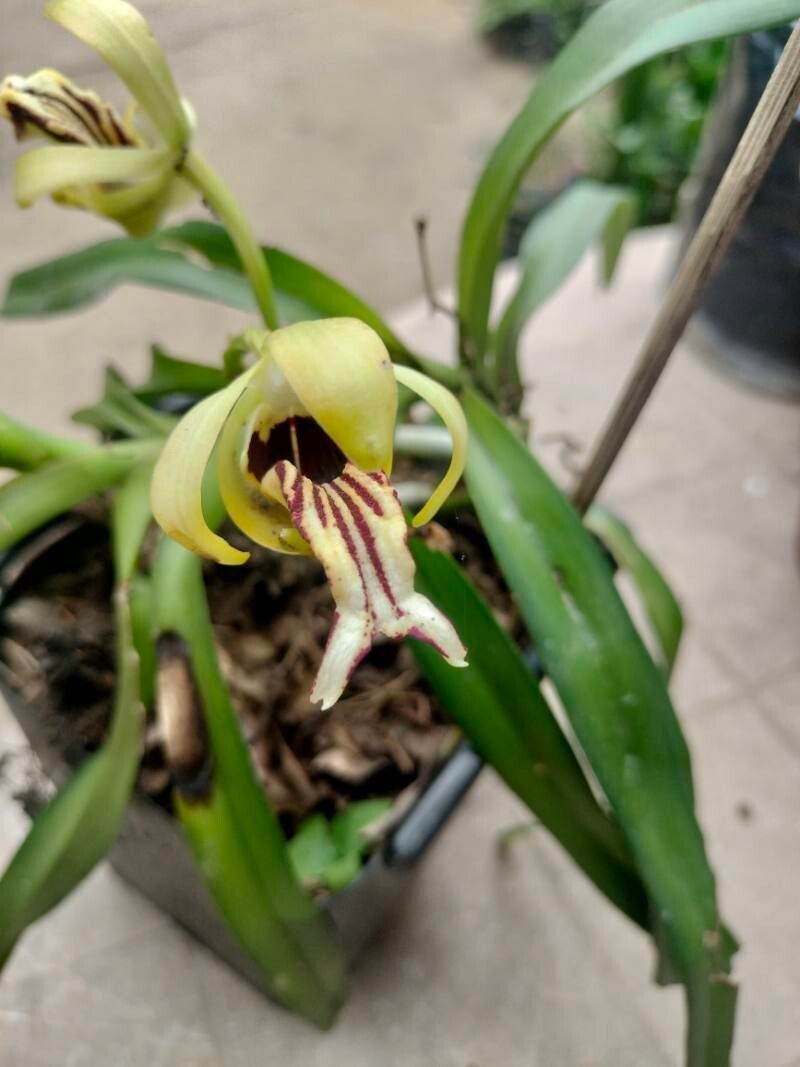
Oh, Vanda cristata! If you’ve ever seen one of these beauties, you know why they capture our hearts. Those delicate, often intricately fringed flowers are just stunning. And the thought of creating more of these treasures from an existing plant? Pure gardening magic!
Let me be upfront: while Vanda cristata is a magnificent orchid, propagating it isn’t quite a beginner’s stroll in the park. It requires a little patience and a bit of know-how. But don’t let that deter you! With a bit of guidance, I truly believe you can have success. Getting a new Vanda cristata to thrive is a deeply rewarding experience.
The Best Time to Start
Timing is everything with orchids, and Vanda cristata is no different. The absolute best time to embark on propagation is when the plant is actively growing. This usually means late spring through to mid-summer. You want to see vibrant new leaf growth and, ideally, no flower spikes developing. This vigorous period means the plant has plenty of energy to invest in those new roots and shoots.
Supplies You’ll Need
Gathering your tools before you start makes the whole process flow much more smoothly. Here’s what I always have on hand:
- A sharp, sterilized pruning shear or a clean knife. The cleaner the cut, the better for preventing disease.
- Orchid bark mix: A coarse mix is crucial for good drainage, which is non-negotiable for Vandas. You can often find specific Vanda mixes, or a good general orchid bark will do.
- Sphagnum moss: Long-fibered sphagnum moss is excellent for retaining a little moisture while still allowing air circulation.
- Small pots or containers: Small net pots or even recycled plastic cups with plenty of drainage holes work well for new propagations.
- Rooting hormone (optional but recommended): A powdered or liquid rooting hormone can give your cuttings a helpful boost.
- Watering can with a fine rose or a spray bottle: Gentle watering is key.
- Optional: A small heating mat: Some growers find this provides a consistent surface temperature that encourages rooting.
Propagation Methods
For Vanda cristata, the most common and effective method is division. These orchids tend to grow into clumps with multiple growths (which are like mini-plants), and separating these is how we create new ones.
Here’s how I do it:
- Inspect your plant: Look for a mature plant that has at least two or three healthy growths, and one of them has its own set of roots emerging. This is your ideal candidate for division.
- Gently remove from pot: Carefully take your Vanda out of its existing pot. If it’s tightly packed, you might need to gently loosen the bark or even rinse off some of the old medium under a gentle stream of water to get a clear view of the roots and growth points.
- Identify your division point: Look for where a new growth naturally separates from the mother plant, or where you can make a clean separation. You want to ensure the new division has its own established roots. This is absolutely critical. If there are no roots, it’s incredibly difficult to get it to survive.
- Make the cut: Using your sterilized shear or knife, carefully cut through the rhizome (the thick, horizontal stem that connects the growths). Aim for a clean cut between the sections. If you’re lucky, you’ll have a division that pulls apart relatively easily.
- Prepare the division: Carefully remove any old, dead roots or mushy bits. You can dust the cut surface with a fungicide or cinnamon powder to help prevent infection. If you’re using rooting hormone, dip the cut end of the division (where the roots will emerge) into it.
- Pot it up: Place your new division in a small pot or net pot. I like to pack a bit of moistened sphagnum moss around the base of the new growth, gently tucking it in. You can also use your coarse orchid bark mix here. The goal is to create a stable environment that holds a bit of moisture but allows air to circulate around the roots. It should be snug, but not packed too tightly.
The “Secret Sauce” (Pro Tips)
Now, for a couple of things I’ve learned over the years that I think really make a difference:
- Don’t let the leaves touch the water: When you water your new division, be very careful that water doesn’t sit in the crown of the new growth. This is where rot loves to set in quickly. I often use a bit of paper towel to gently absorb any drips that land there.
- Provide gentle bottom heat: While not strictly necessary, placing your newly potted divisions on a seedling heat mat set to a gentle warmth (around 70-75°F or 21-24°C) can really encourage root development. It mimics the warmth they’d get from a parent plant in a tropical environment.
Aftercare & Troubleshooting
Once you’ve potted up your new Vanda cristata division, the real nurturing begins.
- Watering: Don’t water aggressively right away. Keep the sphagnum moss or bark consistently moist, but never soggy. You want to encourage those new roots to actively seek out moisture.
- Light: Place your new division in bright, indirect light. Avoid direct sun, which can scorch delicate new growth.
- Air Circulation: Good airflow is vital. If your home is particularly humid, a small fan on a very low setting can be beneficial.
Now, let’s talk about what can go wrong. The most common issue you’ll face is rot. This can happen if the plant is kept too wet, or if water sits in the crown. You’ll notice a dark, mushy spot on the leaves or stem. If you see this, act quickly! You might need to cut away the rotted portion with your sterilized tool and try to keep the area dry, perhaps dusting it with cinnamon again.
Another sign that things aren’t quite right is shrivelled leaves on a division without new root growth. This usually means the plant is using up its stored energy and isn’t able to establish itself. Sometimes, a bit more warmth or a slightly more humid microclimate can help, but it can be a tough situation.
A Encouraging Closing
Propagating orchids is a journey, and Vanda cristata can certainly be a rewarding challenge. Don’t get discouraged if your first attempt isn’t a roaring success. Each plant and each situation is a little bit different. Be patient, observe your plant closely, and celebrate every tiny sign of progress. The joy of watching a new Vanda cristata thrive because of your care is truly something special. Happy growing!
Resource:
https://identify.plantnet.org/k-world-flora/species/Vanda%20cristata%20Wall.%20ex%20Lindl./data