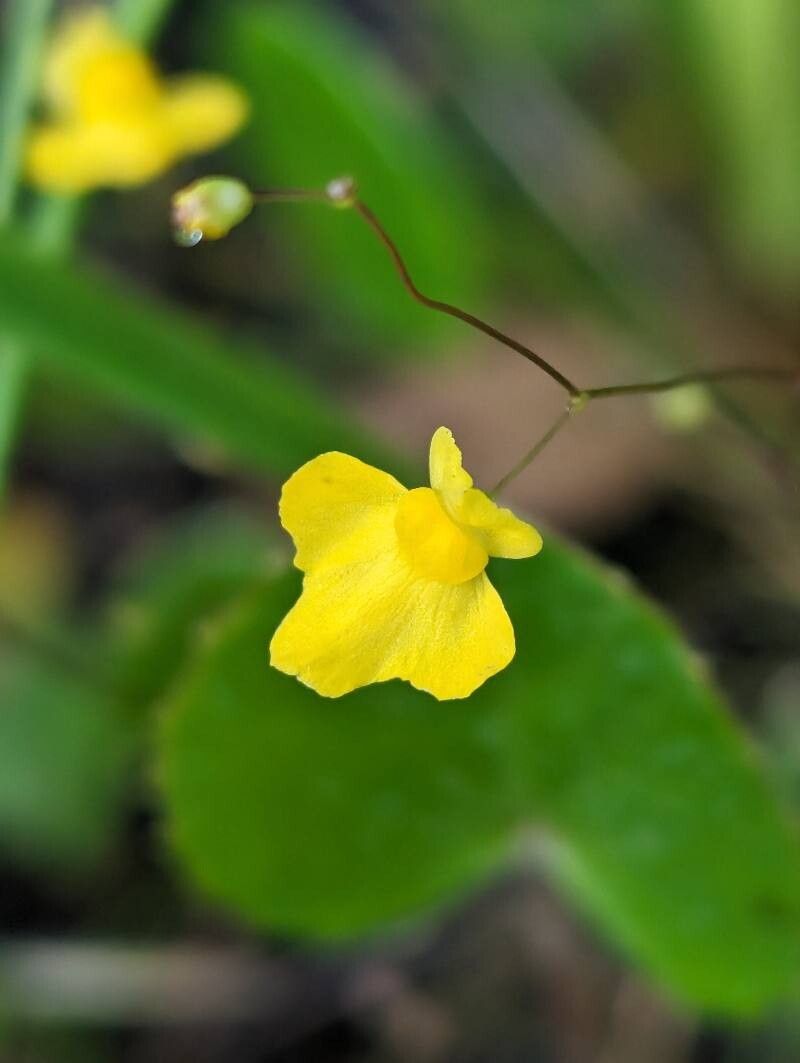
Oh, hello there! Come on in, pull up a chair. I’ve got my favorite mug of Earl Grey ready, and I’m just bursting to chat with you about one of my absolute favorite little gems: Utricularia subulata.
Your New Tiny Carnivorous Friend: Why Utricularia subulata is So Rewarding
You know, sometimes the smallest plants bring the biggest joys. Utricularia subulata, also known as the Wavy Veined Bladderwort, is one of those plants. It might not have the dramatic blooms of a Venus flytrap, but its delicate, orchid-like flowers are truly a sight to behold. And the best part? It’s a carnivorous plant that’s surprisingly easy to propagate. Even if you’re new to the world of these fascinating insect-eaters, you can absolutely succeed with this one. It’s incredibly rewarding to watch these delicate little plants multiply, and soon you’ll have plenty to share with fellow plant lovers.
The Best Time to Start Your Propagation Adventure
For Utricularia subulata, the sweet spot is really when the plant is in active growth. Think late spring through summer. You’ll see it sending up lots of new growth and those charming little flowers. If you have a plant that’s been happy and healthy all spring, it’s a perfect candidate to take cuttings from. You want to propagate when the plant is feeling robust, not when it’s stressed or dormant.
Supplies You’ll Need to Get Started
Gathering your supplies is half the fun, isn’t it? Here’s what I tend to have on hand:
- Sphagnum Moss: Long-fibered sphagnum is my go-to. It holds moisture beautifully and provides a good airy medium.
- Perlite or Horticultural Sand: A little bit of these in your mix helps with drainage. We don’t want soggy roots!
- Sterile Small Pots or Trays: Think shallow propagation trays or small peat pots.
- Clean Water: Distilled, rainwater, or reverse osmosis water is best for carnivorous plants. Tap water can harm them.
- Tweezers or a Small Knife: For gently separating or cutting your plant.
- Optional: Growing Tent or Clear Plastic Bag: To create a humid environment.
My Favorite Ways to Propagate Utricularia subulata
Utricularia subulata is a pro at self-propagation, but we can give it a helping hand!
Method 1: The Gentle Division
This is my absolute favorite and usually the most successful for beginners.
- Gently Remove from Pot: Carefully take your Utricularia subulata out of its current pot. You might need to gently loosen the soil around the edges.
- Identify Divisions: Look for clumps or runners that have naturally separated or are beginning to branch off. You’re looking for sections that have their own little shoots and perhaps even a few roots already.
- Separate Carefully: Using your tweezers or a small knife, gently tease apart these divisions. Don’t pull hard! If a section seems stuck, it’s better to leave it and try to take a cutting from it later.
- Pot Up: Place each division into its own small pot filled with your damp sphagnum moss/perlite mix. Make sure the crown of the plant (where the leaves emerge) is just at the surface.
- Watering: Water gently from the top until the pot is moist. You can also place these pots in a tray with about half an inch of your special water.
Method 2: Stem Cuttings (Runners)
This method is fantastic when your plant is really actively spreading.
- Locate a Runner: Find a long, healthy runner that has new growth or “tubercles” on it. These are like mini baby plants waiting to happen.
- Make the Cut: Using a clean, sharp knife or scissors, cut the runner between the main plant and the tip with new growth. You want to take a piece that’s at least an inch or two long.
- Plant the Cutting: Lay the cutting on the surface of your prepared damp sphagnum moss/perlite mix. It doesn’t need to be buried, just resting on top. The tubercles will do the work of rooting.
- Provide Humidity: This is crucial for cuttings. Place the pot in a clear plastic bag or a humidity dome to keep the air moist.
The “Secret Sauce”: My Insider Tips
Here are a few little tricks I’ve learned over the years that really boost your success rate:
- Don’t Let Leaves Touch the Water: If you’re using trays for watering, ensure the leaves of your plant aren’t sitting directly in stagnant water. This can lead to rot. Keep the water level below the soil surface.
- Bottom Heat is Your Friend: Utricularia subulata loves a bit of warmth. Placing your propagation pots on a seedling heat mat set to a very low temperature (around 70-75°F or 21-24°C) can significantly speed up root and growth development. It mimics those warm summer soils they enjoy.
- Patience with the Flowers: Sometimes, right after you take cuttings, the mother plant might try to flower. If it’s a very new or small cutting, it’s okay to pinch off any tiny flower stalks that appear early on. You want the plant to focus its energy on growing roots and leaves first, then it can flower all it wants!
Aftercare & Troubleshooting: Nurturing Your New Sprouts
Once your Utricularia subulata starts showing new growth or you see tiny roots poking out of the drainage holes (if using clear pots), you’re doing great!
- Continue Consistent Moisture: Keep the substrate damp, but not waterlogged. Always use your pure water.
- Introduce to Brighter Light Gradually: If your propagations were in a shadier spot, slowly introduce them to brighter, indirect light. They love good light but can burn if you shock them.
- Watch for Rot: The biggest sign of trouble is if your cuttings turn mushy, brown, and slimy. This is usually a sign of too much moisture and poor air circulation. If you see this, try drying out the medium slightly and increasing ventilation. Sometimes, you can save a section if you catch it early enough.
- Pests: While less common on young propagations, always keep an eye out for tiny pests like fungus gnats. Good airflow usually helps prevent them.
Go Forth and Grow!
See? It’s really not that complicated. The key is to give these little guys a good start with the right environment and a little bit of patience. Don’t be discouraged if a cutting or two doesn’t make it; that’s part of the learning process for any gardener. Just keep trying, observe your plants, and celebrate those new shoots and roots. Happy propagating, my friend! I’d love to hear how yours turn out.
Resource:
https://identify.plantnet.org/k-world-flora/species/Utricularia%20subulata%20L./data