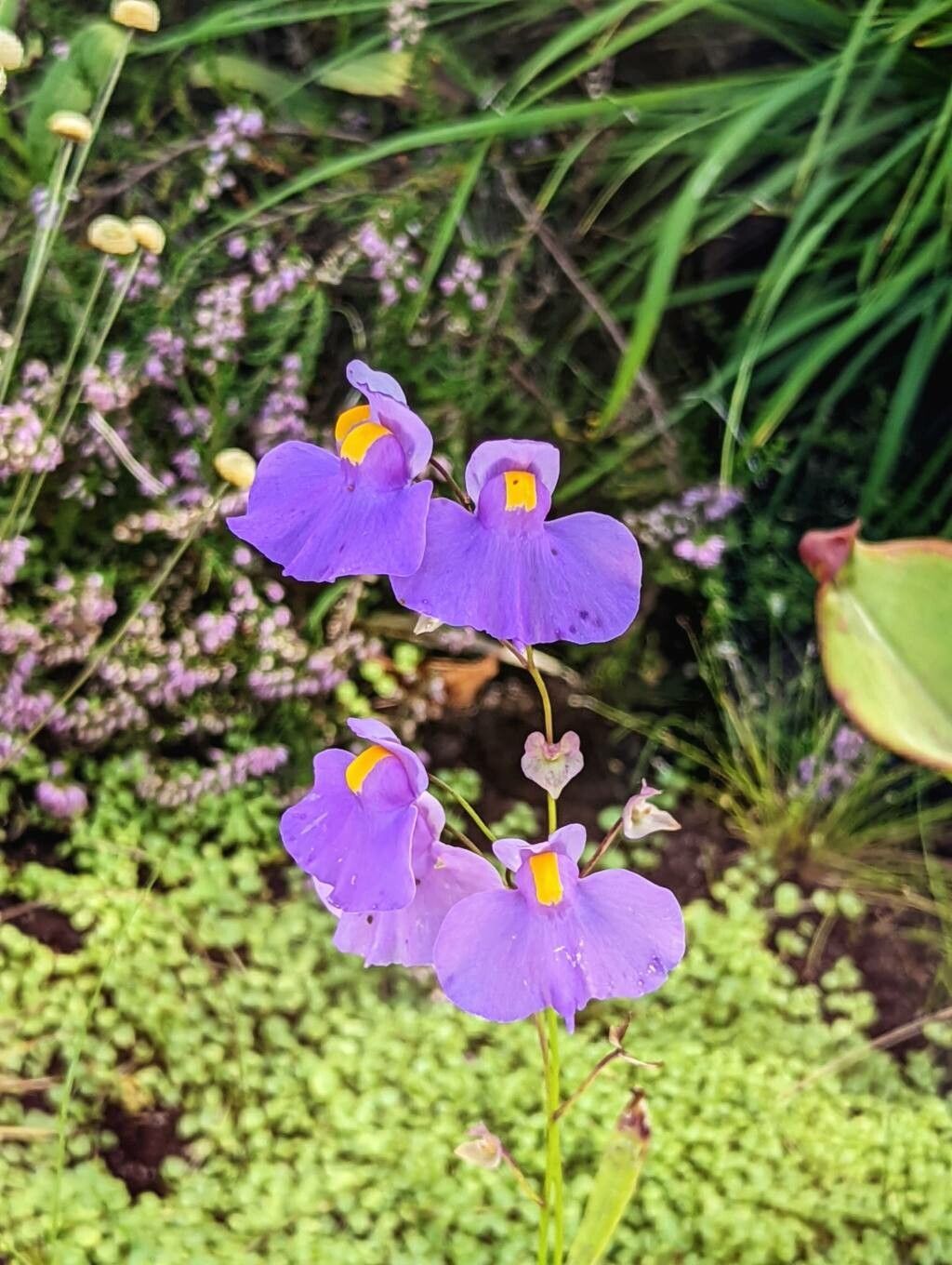
Hello, fellow plant enthusiasts! Today, we’re diving into the wonderful world of Utricularia longifolia, often called the Long-leaved Bladderwort. If you’re drawn to its unique, often delicate flower spikes and fascinating carnivorous nature, you’re in for a treat. Propagating this beauty can be incredibly rewarding, and I’m here to guide you through it. While it might seem a bit involved, don’t let that deter you. With a little patience and the right approach, you’ll be amazed at how many new plants you can create!
The Best Time to Start
For Utricularia longifolia, the absolute best time to propagate is during its active growing season. Think of spring and early summer. This is when the plant has the most energy reserves to put into developing new roots and shoots. Trying to propagate when the plant is dormant, usually in late fall or winter, will likely lead to disappointing results. You want to catch it when it’s feeling vibrant and ready to expand.
Supplies You’ll Need
Gathering your supplies ahead of time makes the whole process so much smoother. Here’s what you’ll want to have on hand:
- Well-draining potting mix: A good blend of peat moss or coco coir mixed with perlite or horticultural sand works wonderfully. Many carnivorous plant mixes are also suitable.
- Sterile propagation tray or small pots: These will house your new potential plants.
- Sharp, clean pruning shears or a hobby knife: For making precise cuts. Sterilize them with rubbing alcohol between uses to prevent disease.
- Spray bottle: Filled with distilled water, reverse osmosis (RO) water, or rainwater. Tap water can harm carnivorous plants.
- Optional: Rooting hormone: While not always essential for Utricularia longifolia, it can give cuttings a little boost. Use a powder or gel formulated for cuttings.
- Optional: Heating mat: This can significantly speed up root development, but it’s not strictly necessary.
Propagation Methods
Utricularia longifolia is a relatively adaptable plant when it comes to propagation, but division and stem cuttings are my go-to methods.
1. Division: The Easiest Route
This is often the most successful method, especially for beginners. It involves separating existing clumps of the plant.
- Gently remove the plant from its pot. You want to do this carefully to avoid damaging the delicate root system.
- Inspect the root ball. Look for natural divisions where a new shoot or growth point is emerging, often with its own set of roots.
- Carefully separate the clump. You can use your fingers to gently tease the roots apart. If it’s quite dense, a clean knife or shears might be needed to make a clean cut. Aim to give each new division a good portion of roots and at least one healthy growth point.
- Pot up your divisions. Place each new division into its own small pot filled with your prepared potting mix.
- Water thoroughly with your pure water and place in a bright spot with good humidity.
2. Stem Cuttings: For the Patient Gardener
This method requires a bit more patience but can yield a surprising number of new plants from a healthy specimen.
- Identify healthy stems. Look for sections of the plant that are actively growing, usually with several leaves.
- Make a clean cut. Using your sterile shears or knife, cut a piece of stem that is about 2-3 inches long. Try to get a cutting with at least a few leaves and ideally a dormant or active growth bud.
- Prepare the cutting. You can gently remove the lower leaves if they will be submerged in the potting mix or water. If you’re using rooting hormone, dip the cut end into the powder or gel now.
- Plant the cutting.
- In soil: Insert the cut end into your prepared, moist potting mix. Make sure it’s firm enough to stand up.
- In water (use with caution): You can place the cutting in a small container of distilled water. Crucially, ensure no leaves are submerged. Only the stem end should be in the water. This method requires more frequent water changes to prevent rot.
- Provide a humid environment. Cover the pot loosely with a plastic bag or place it in a terrarium to maintain high humidity.
The “Secret Sauce” (Pro Tips)
Here are a couple of tricks I’ve learned over the years that make a world of difference:
- Don’t overwater right away with cuttings. While Utricularia like moisture, overly soggy soil can cause cuttings to rot before they even have a chance to root. Aim for consistently moist, not waterlogged, conditions for soil-planted cuttings. For water propagation, change the water every few days to keep it fresh.
- Bottom heat is your friend. If you have a heating mat, placing your propagation tray or pots on it can significantly speed up root development. A consistent temperature of around 70-75°F (21-24°C) is ideal. Think of it as giving your little plant babies a cozy incubation period!
Aftercare & Troubleshooting
Once you see signs of new growth—tiny new leaves or the beginnings of a root system—you’re on the right track!
- Gradually introduce to normal conditions. As your new plant establishes itself, you can slowly acclimate it to slightly less humidity. Still keep it in a bright spot, but avoid direct, harsh sunlight that could scorch delicate new leaves.
- Maintain moisture. Continue to keep the potting mix consistently moist. You can check by gently pressing the soil; it should feel damp.
- Watch out for rot. The most common sign of failure is rot. If your cuttings turn mushy and black, or if the leaves start to yellow and droop significantly without any new growth appearing, it’s often a sign of too much moisture or a fungal issue. In this case, it’s usually best to discard the cutting and try again, making sure your soil drains well and your environment is not perpetually waterlogged.
A Rewarding Journey
Propagating Utricularia longifolia is a wonderful way to expand your collection and share these fascinating plants with others. Don’t be discouraged if your first few attempts aren’t immediately successful. Gardening is all about learning and adapting. Be patient, observe your plants, and enjoy the process of nurturing something new into existence. Happy growing!
Resource:
https://identify.plantnet.org/k-world-flora/species/Utricularia%20longifolia%20Gardner/data