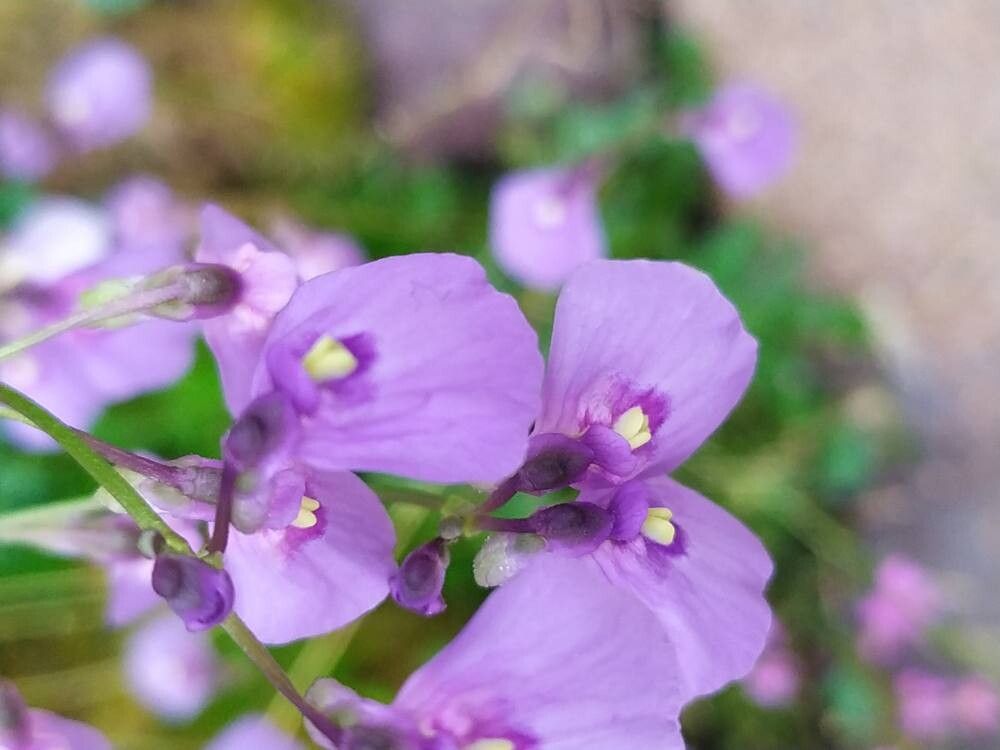
Well hello there, fellow plant enthusiasts! If you’re anything like me, you’ve probably fallen head over heels for the delicate beauty of Utricularia dichotoma. Its dainty flowers, often a lovely shade of purple or pink, are a real showstopper, especially when they peek out from among its finely divided leaves. And the best part? You can easily bring that magic into more pots, or even share it with friends!
Propagating Utricularia dichotoma is incredibly rewarding, though I’d say it’s a moderately easy plant to get started with. It’s not quite as forgiving as some of the rugged succulents, but with a little attention and the right approach, you’ll be celebrating new plant babies in no time. Let’s dive in!
The Best Time to Start
For the highest success rate with Utricularia dichotoma, I always recommend starting in late spring or early summer. This is when the plant is actively growing, full of energy, and most receptive to new ventures like propagation. You’ll see plenty of new growth and can easily snip off healthy portions without stressing the parent plant.
Supplies You’ll Need
Gathering your supplies beforehand makes the whole process smoother. Here’s what you’ll want on hand:
- Fine-grained peat moss or a carnivorous plant soil mix (often a blend of peat and perlite). Avoid anything with added fertilizers!
- Perlite for improving drainage.
- A clean, sharp razor blade or sterilized scissors.
- A spray bottle for misting.
- Small pots or propagation trays.
- Distilled water, rainwater, or reverse osmosis water. Tap water can harm these sensitive plants.
- (Optional but helpful) A heating mat.
Propagation Methods
There are a couple of ways to go about this, but my favorite for Utricularia dichotoma is usually division, as it’s quick and gives you a good chance of immediate results.
Division
This is like giving your mature plant a little haircut and a much-needed rearrangement.
- Gently remove your Utricularia dichotoma from its pot. Try not to disturb the roots too much.
- Carefully tease apart the root ball and the leafy mats. You’re looking for natural divisions – sections that already have their own roots and a good amount of foliage.
- Use your fingers or a clean blade to separate these sections. If a section is particularly tangled, don’t force it too much. A little patience goes a long way here.
- Pot up each division into its own small pot filled with your prepared soil mix. Make sure the new plant is at a similar depth to how it was growing before.
- Water lightly with your distilled or rainwater. You want the soil to be consistently moist but not soggy.
Stem Cuttings (Less Common for Utricularia dichotoma, but possible)
While division is king, you can sometimes use cuttings.
- Locate a healthy stem with several leaves and ideally some emerging rootlets.
- Make a clean cut just below a leaf node using your sharp blade. You want a cutting that’s about 1-2 inches long.
- Remove any lower leaves that might end up submerged in water, as these can rot.
- Place the cutting in a small container of distilled water. Ensure the cut end is submerged but no leaves are touching the water.
- Keep the water clean by changing it every few days.
The “Secret Sauce” (Pro Tips)
Here are a few little tricks I’ve picked up over the years that can really boost your propagation success:
- Don’t let the leaves touch the water! This is crucial if you’re trying stem cuttings in water. Submerged leaves will often rot, taking the whole cutting down with them.
- Bottom heat is your friend. If you have a heating mat, placing your pots or trays on it can significantly speed up root development, especially for divisions. Aim for a gentle warmth, around 70-75°F (21-24°C).
- Humidity is key. Utricularia dichotoma thrives in moist conditions. If the air is dry where you’re propagating, consider loosely covering your pots with a clear plastic bag or placing them in a propagation dome. Just make sure to ventilate it daily to prevent fungal issues.
Aftercare & Troubleshooting
Once your new divisions or cuttings are potted up, treat them like a miniature version of your mature plant.
- Keep the soil consistently moist. Don’t let it dry out completely.
- Provide bright, indirect light. Direct sun can scorch young plants.
- Avoid fertilizers. These plants are adapted to nutrient-poor environments.
The most common issue you might encounter is rot, which is usually a sign of overwatering or poor air circulation. If you see mushy, discolored leaves, trim them away immediately. If a whole division looks like it’s going downhill, sometimes it’s best to discard it to prevent the problem from spreading. Seeing new growth emerging is your best sign of success!
A Encouraging Closing
Propagating Utricularia dichotoma is a wonderful way to deepen your connection with these unique plants. Be patient with the process – nature has its own timetable. Enjoy the journey of nurturing those tiny new roots and watching them unfurl into beautiful new plants. Happy propagating!
Resource:
https://identify.plantnet.org/k-world-flora/species/Utricularia%20dichotoma%20Labill./data