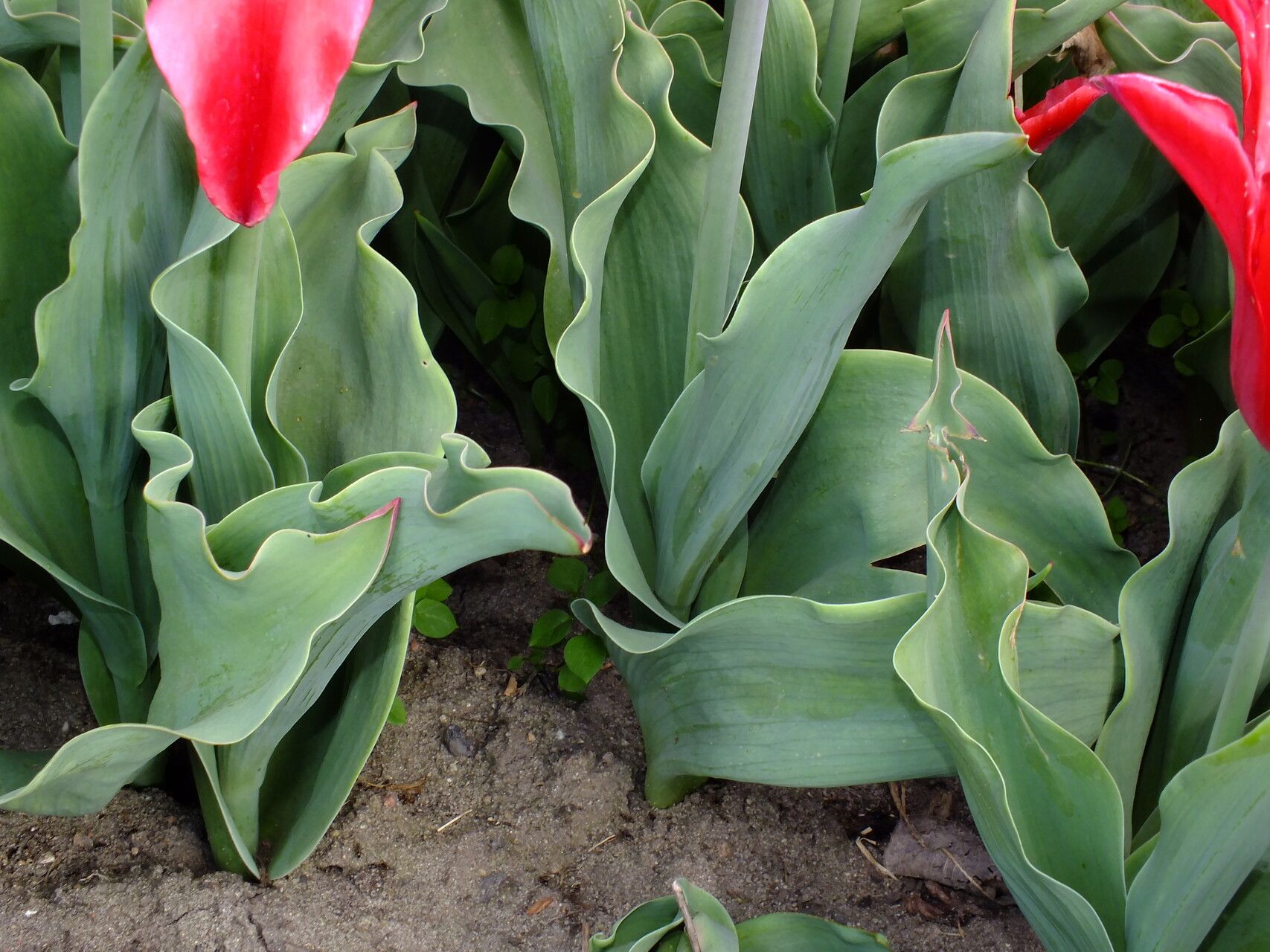
Hello there, fellow plant enthusiasts! I’m so happy you’re here and curious about bringing more beautiful Tulipa undulatifolia into your garden. These charming tulips, with their elegant, wavy petals and often vibrant colors, are a real delight. They bring such a pop of joy to the spring landscape, and I find propagating them incredibly rewarding. It’s a wonderful way to deepen your connection with these beauties and expand your collection without always needing to buy new bulbs. For beginners, I’d say Tulipa undulatifolia propagation is moderately easy, especially if you’re willing to be a little patient.
The Best Time to Start
For Tulipa undulatifolia, the best time to consider propagation is right after the plant has finished flowering and the foliage has begun to yellow and die back naturally. This is when the bulb has replenished its energy stores and is preparing for its dormant period. Attempting to divide or propagate when the plant is actively growing or still green can stress it, and you might not get as good a result. Late spring to early summer is generally your window.
Supplies You’ll Need
Here’s what you’ll want to have on hand:
- A clean, sharp trowel or garden spade: For gently unearthing the bulbs.
- Small gardening gloves: To keep your hands clean and protect them.
- A well-draining potting mix: I like a blend of coir, perlite, and a bit of compost. Avoid heavy garden soil.
- A shallow tray or container: With drainage holes, for housing the new divisions.
- Watering can or spray bottle: For gentle watering.
- Optional: Rooting hormone powder: While not strictly necessary for tulip bulbs, it can sometimes give a little boost.
Propagation Methods
Tulipa undulatifolia, like most tulips, primarily propagates through bulb division. This is the most straightforward and successful method for home gardeners.
Step 1: Gentle Excavation
Once the foliage of your Tulipa undulatifolia has died back, gently dig around the parent bulb. You want to avoid damaging the bulb or its offsets (the little baby bulbs that form). Use your trowel to loosen the soil and carefully lift the entire clump out.
Step 2: Cleaning and Inspecting
Gently brush away as much of the excess soil as you can. You’ll likely see the main bulb and several smaller bulbs attached to its base. These are your new plants in the making! Inspect them for any signs of disease or damage. Discard any that look mushy, moldy, or clearly unhealthy.
Step 3: Separating the Offsets
This is the part that requires a delicate touch. Carefully twist or separate the smaller offsets from the mother bulb. If they are firmly attached, you can use a clean, sharp knife to make a clean cut. Try to ensure each offset has a small piece of the basal plate (the very bottom where roots emerge) attached.
Step 4: Planting the New Bulblets
Prepare your shallow tray or container with your well-draining potting mix. Plant each separated offset with its pointed end facing upwards. They should be planted about 1-2 inches deep, depending on their size. Give them a little space; they don’t need to be crammed together.
Step 5: Initial Watering
Water your newly planted bulblets gently to settle the soil around them. Don’t drench them; just provide enough moisture so the soil is consistently slightly damp.
The “Secret Sauce” (Pro Tips)
- Let offsets mature: If you find an offset that is very tiny, it’s sometimes best to leave it attached to the mother bulb for another season. It will gain strength and size, making it more likely to develop into a flowering bulb later.
- The dormant period is key: Resist the urge to dig up bulbs when they’re still green or flowering. Patience here is a virtue! Allowing them to go fully dormant ensures they have the energy reserves to start anew.
- Don’t overwater in storage: If you choose to store the bulbs for a short while before planting, ensure they are in a cool, dry, dark place. Overwatering during this dormant phase is a fast track to rot.
Aftercare & Troubleshooting
Once your bulblets are planted, keep the soil consistently, but not soggily, moist. You can achieve this by checking the soil moisture every few days and watering when the top inch feels dry. If you’ve planted them outside in a prepared bed, natural rainfall might be sufficient, but keep an eye on it during dry spells.
The most common sign of trouble is rot, which usually stems from overwatering or poorly draining soil. If you see a bulblet turning mushy and dark, it’s best to remove it to prevent the rot from spreading. Another sign of failure might be simply a lack of growth. Tulips can take a season or two to mature enough to flower from a small bulblet, so don’t be discouraged if you don’t see blooms the following spring.
A Little Encouragement to Get You Growing
Propagating Tulipa undulatifolia is a journey. It’s about observation, patience, and that wonderful feeling of nurturing new life from something you already love. Keep it simple, pay attention to your plants, and don’t be afraid to experiment a little. Enjoy the process, and soon you’ll have even more of these delightful wavy tulips gracing your garden! Happy gardening!
Resource:
https://identify.plantnet.org/k-world-flora/species/Tulipa%20undulatifolia%20Boiss./data