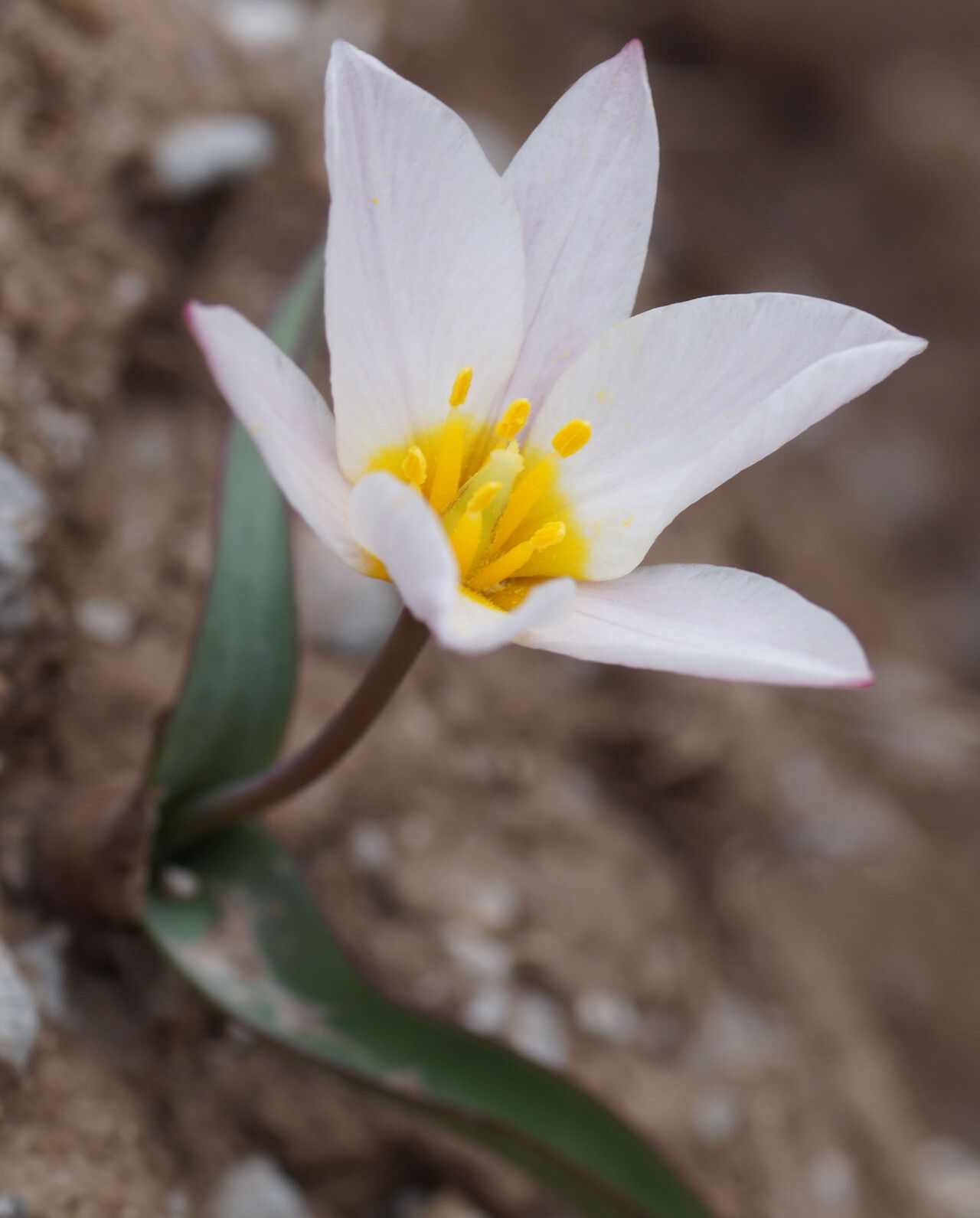
Hello there, fellow plant lovers! Isn’t there something truly delightful about adding to your garden with plants you’ve grown yourself? It feels like a little bit of gardening magic, doesn’t it? Today, we’re going to talk about a beauty that often gets overlooked: Tulipa cretica. This isn’t your typical garden tulip; it’s a charming, often smaller, wildflower tulip originating from Crete. Its delicate blooms, often in shades of pink, purple, and white, bring a touch of the Mediterranean right to our backyards. Propagating Tulipa cretica is a wonderfully rewarding endeavor, and I’m here to guide you through it. Don’t worry if you’re new to this; while it takes a little finesse, it’s definitely achievable, and the payoff is immense!
The Best Time to Start
For Tulipa cretica, the absolute sweet spot for propagation is immediately after the foliage has completely died back. This usually happens in late spring or early summer, depending on your climate. It’s crucial to wait until the leaves have turned yellow and withered naturally. This signifies that the bulb has finished its energy production for the season and is ready to be divided or to produce offsets without depleting its resources. Rushing it means you’re interrupting its natural cycle, and that’s a recipe for disappointment.
Supplies You’ll Need
Gathering your tools before you begin always makes the process smoother. Here’s what I find indispensable:
- A clean, sharp trowel or small spade: For gently lifting bulbs.
- A grafting knife or a very sharp, sterile knife: Essential for careful separation of bulb offsets.
- Well-draining potting mix: A good blend for bulbs, often with perlite or coarse sand, works beautifully. I like a mix of peat moss, coir, and perlite.
- A breathable container or seed tray: For housing your newly potted divisions.
- Optional: Rooting hormone powder: This can give a little boost, though not always strictly necessary for healthy bulbs.
- Watering can with a fine rose: For gentle watering.
- Garden gloves: Always a good idea!
Propagation Methods
For Tulipa cretica, the most reliable and rewarding method is bulb division, which essentially means carefully separating the offsets that form around the main bulb.
- The Gentle Excavation: Once the foliage is completely gone, carefully dig around the clump of Tulipa cretica bulbs with your trowel. You want to lift the entire cluster out of the ground very gently. Be patient; try not to disturb the bulbs more than necessary.
- Cleaning Up: Gently brush away as much of the old soil as you can from the bulbs. You’ll start to see the main bulb and then smaller bulblets or offsets attached to its base or sides.
- The Crucial Separation: This is where your sharp knife comes into play. Using your grafting knife or sterile kitchen knife, carefully cut away any offsets that are of a decent size. Each offset should ideally have a small basal plate (where roots will emerge) and be at least the size of a blueberry. If an offset is tiny, it might be best to leave it attached for another season to gain strength. Sterilize your knife between each cut to prevent disease transmission.
- Preparation for Planting: If you’re using rooting hormone, lightly dip the basal plate of each separated offset into the powder. This is purely optional, but it can encourage quicker root development.
- Planting Your New Treasures: Fill your chosen container or seed tray with your well-draining potting mix. Plant the offsets at the same depth they were growing previously, or about twice the depth of the bulb itself. Water gently but thoroughly, ensuring the soil is moist but not waterlogged.
The “Secret Sauce” (Pro Tips)
Over the years, I’ve learned a few little tricks that make a difference. Here are a couple:
- Air Circulation is Key: After planting your offsets, place the container in a bright, cool location. Crucially, ensure there’s good air circulation. Avoid tightly packed environments. If you’re starting them indoors in a tray, consider propping the lid open slightly or placing them on a shelf with good airflow. This helps prevent fungal issues, which are the bane of bulb propagation.
- Don’t Overwater Until They Show Life: While you want the soil to be moist after planting, resist the urge to drench it repeatedly before you see any signs of growth. The bulbs are dormant and can rot if kept too wet. Wait for new shoots to emerge before increasing watering slightly.
Aftercare & Troubleshooting
Once your Tulipa cretica offsets are planted, the waiting game begins! Keep them in a cool, bright spot. Water only when the top inch of soil feels dry. You’re looking for the emergence of new green shoots. This can take anywhere from a few weeks to a couple of months.
The most common sign of trouble is rot. If you notice mushy, discolored bulbs or a foul smell, it’s likely rot. This is usually caused by overwatering and poor drainage. Unfortunately, if a bulb is significantly rotted, it’s usually beyond saving. You can try to cut away affected parts, but prevention is far more effective. If you see no growth after a significant amount of time and the bulbs feel firm, they might just be taking their sweet time.
A Encouraging Closing
Nurturing new life from a parent bulb is a wonderfully connected gardening experience. Be patient with your Tulipa cretica; these little wildflowers have their own rhythm. Enjoy the process of watching them grow from tiny offsets into future blooms that will bring you so much joy. Happy propagating!
Resource:
https://identify.plantnet.org/k-world-flora/species/Tulipa%20cretica%20Boiss.%20&%20Heldr./data