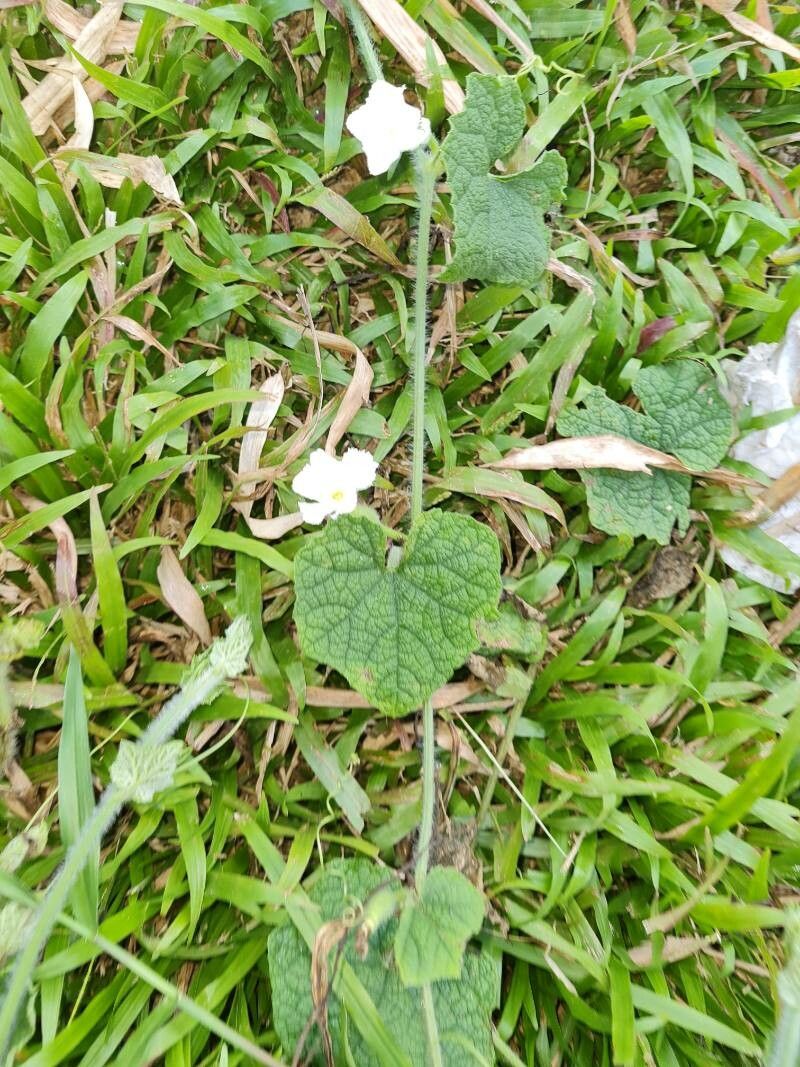
Oh, hello there, fellow plant lover! I’m so excited to chat with you today about a truly special vine: Trichosanthes scabra. If you’ve ever marvelled at its intricate, often architectural foliage or dreamt of its delightful, fragrant blooms (which are a real treat!), then you’re in for a wonderful journey. Propagating this beauty is not only incredibly rewarding, but it’s also a fantastic way to share its magic with friends. For beginners, it leans towards the moderately easy side, with a little patience it’s quite achievable!
The Best Time to Start
My rule of thumb for Trichosanthes scabra is to propagate when it’s really hitting its stride. Think late spring to early summer. This is when the plant is actively growing, meaning it has plenty of energy to put into those new roots. You’ll want to take cuttings from healthy, vigorous stems that are not flowering or developing fruit. The plant’s natural awakening after dormancy is your cue!
Supplies You’ll Need
Gathering your supplies beforehand makes the whole process so much smoother. Here’s what I usually have on hand:
- Sharp, clean pruning shears or a knife: Essential for making clean cuts.
- Rooting hormone (optional but recommended): A little boost can go a long way.
- Well-draining potting mix: I love a blend of equal parts perlite, peat moss, and compost. You can also use a chunky succulent mix.
- Small pots or containers: Clean ones are key to preventing disease.
- Clear plastic bags or a propagation dome/lid: To maintain humidity.
- Water: For misting and rinsing.
- A bright, indirect light source: Never direct sun for cuttings!
Propagation Methods
Trichosanthes scabra can be propagated quite successfully from stem cuttings. It’s my preferred method for getting new plants.
- Select Your Stem: Look for a healthy, non-flowering stem that’s at least 6-8 inches long. You want one that’s a mix of soft growth and slightly more mature, woody growth.
- Make the Cut: Using your clean shears or knife, make a clean cut just below a leaf node. Nodes are those little bumps on the stem where leaves or aerial roots emerge. This is where new roots are most likely to form.
- Prepare the Cutting: Gently remove the lower leaves, leaving just a couple at the very top. This prevents them from rotting when buried in the soil. If the leaves are quite large, I’ll even cut them in half to reduce water loss.
- Apply Rooting Hormone (Optional): Dip the cut end of the stem into your rooting hormone powder, tapping off any excess.
- Potting Up: Fill your clean pots with your well-draining potting mix. Make a small hole in the center with your finger or a pencil.
- Insert the Cutting: Gently place the cut end into the hole and firm the soil around it, ensuring good contact.
- Water Gently: Water the soil thoroughly but gently, allowing excess water to drain away.
- Create a Humid Environment: Cover the pot with a clear plastic bag or place it under a propagation dome. Make sure the plastic doesn’t touch the leaves. You can use stakes to keep it up.
The “Secret Sauce” (Pro Tips)
Here are a few little tricks I’ve learned over the years that really seem to make a difference:
- Bottom Heat is Your Friend: While not strictly necessary, placing your pots on a seedling heat mat can significantly speed up root development. It mimics the warmth of the soil in summer and encourages those roots to take hold.
- Don’t Drown Them: When you water, aim for consistently moist, but never soggy, soil. Overwatering is the quickest way to invite rot, and nobody wants that! I like to check the soil moisture by touch; it should feel damp, not waterlogged.
- Patience with Aerial Roots: Trichosanthes scabra can develop these intriguing little aerial roots. If your cutting has them, that’s a fantastic sign! Don’t worry if they aren’t buried in the soil initially; they might be the first to show strength.
Aftercare & Troubleshooting
Once your cutting is potted, place it in a spot with bright, indirect light. Keep the humidity high by misting the leaves occasionally or ensuring the bag/dome remains in place. You can gently tug on the cutting after a few weeks; if you feel resistance, new roots are forming!
The most common problem you might encounter is rot. If you notice the stem turning mushy and dark, it’s usually a sign of too much moisture. Unfortunately, a rotting cutting is usually a lost cause, so learn from it and try again with drier soil and better ventilation. Another sign to watch out for is wilting without any sign of root growth – this might mean the cutting is drying out too fast, and you need to increase the humidity.
A Encouraging Closing
Propagating Trichosanthes scabra is a beautiful way to connect with this remarkable plant. Don’t be discouraged if your first attempt isn’t perfect. Gardening is a journey of learning and experiencing. Enjoy the process, be patient with your little cuttings, and soon you’ll have a whole new generation of these magnificent vines to admire! Happy propagating!
Resource:
https://identify.plantnet.org/k-world-flora/species/Trichosanthes%20scabra%20Lour./data