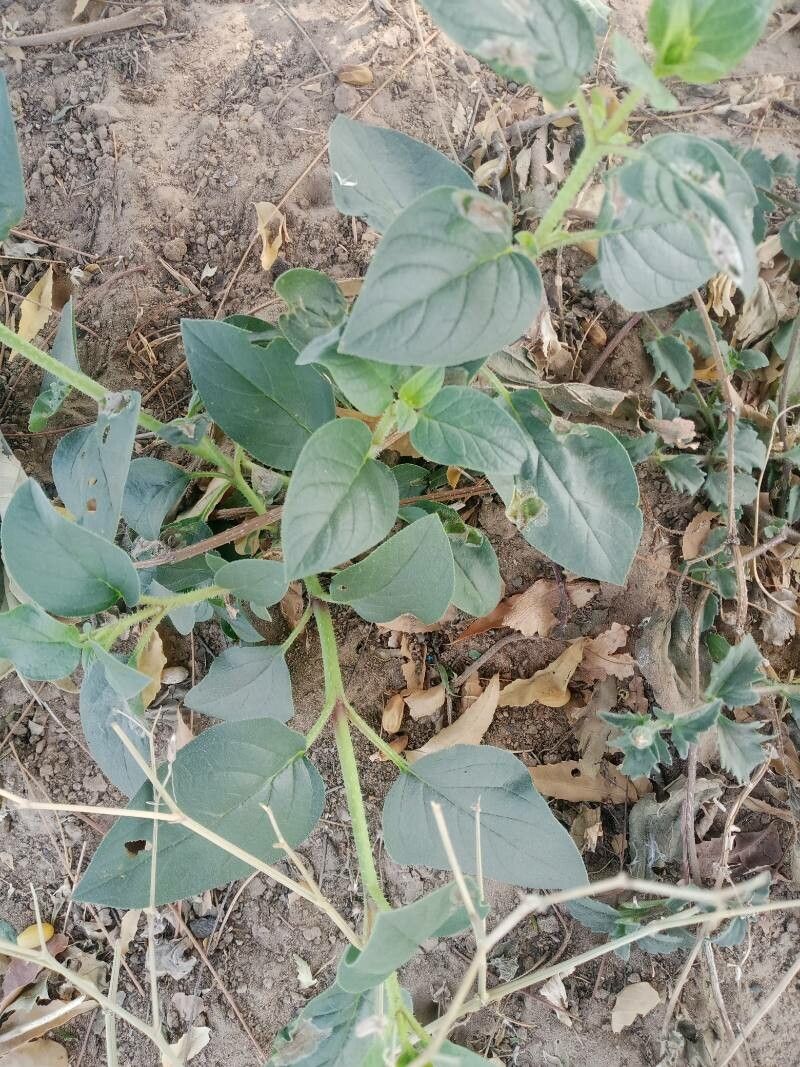
Hello there, fellow garden enthusiasts! It’s a joy to chat with you today about one of my personal favorites: Trichodesma africanum. You know, that lovely plant with the fuzzy, silver-grey leaves and those charming bell-shaped blue flowers that just seem to hum with life? They bring such a wonderful texture and a pop of color to any sunny spot. And the best part? Propagating them is a truly rewarding experience. You’ll be sharing these beauties with friends in no time. Don’t be intimidated; Trichodesma africanum is surprisingly approachable for beginners, which makes it a fantastic plant to try your hand at propagation.
The Best Time to Start
For the highest success rate, I always recommend starting your propagation efforts in late spring or early summer. This is when the plant is actively growing and has plenty of energy to put into developing new roots. Look for stems that are firm but not yet woody. They should feel supple, not brittle.
Supplies You’ll Need
Here’s what you’ll want to have on hand:
- Sharp, clean pruning shears or a knife: Essential for making clean cuts.
- Rooting hormone powder or gel: While not strictly mandatory, it gives your cuttings a significant boost. I find the powder works wonderfully for Trichodesma.
- A well-draining potting mix: I like to use a blend of equal parts perlite, coco coir, and a little bit of compost. This provides aeration and retains just enough moisture without getting waterlogged.
- Small pots or seed trays: Clean, appropriately sized containers for your cuttings.
- A watering can with a fine rose: For gentle watering.
- Optional: A propagation mat or a warm, bright spot: Bottom heat can sometimes speed up the rooting process.
Propagation Methods
I find that stem cuttings are the most reliable way to propagate Trichodesma africanum. Here’s how I do it:
- Take Your Cuttings: Select a healthy, relatively young stem. Using your clean shears, cut a section about 4-6 inches long. Make your cut just below a leaf node – that’s the little bump where a leaf attaches to the stem.
- Prepare the Cuttings: Gently remove the lower leaves. You want to expose the leaf nodes, as this is where roots will emerge. Leave a few leaves at the top to help the cutting photosynthesize. If you’re using larger leaves, you can even cut them in half to reduce water loss.
- Apply Rooting Hormone: Dip the cut end of the stem into your rooting hormone powder. Tap off any excess. This step is a good insurance policy, giving your cutting a better chance of success.
- Plant the Cuttings: Fill your chosen pots or trays with your prepared potting mix. Make a small hole with a pencil or your finger, then insert the cutting. Gently firm the soil around the stem to ensure good contact.
- Water Gently: Water the soil thoroughly but carefully. You want the soil to be moist, not soggy.
The “Secret Sauce” (Pro Tips)
Now, for a couple of little tricks that have served me well over the years:
- Avoid Leaf Drop Distress: When you pot your cuttings, make sure none of the remaining leaves are touching the soil. This is a common mistake that can lead to rot. If a leaf dips into the soil, it can wick moisture away from the cutting and encourage fungal growth.
- Humidity is Your Friend: Cuttings need a humid environment to encourage root development. You can achieve this by placing a clear plastic bag or a propagation dome loosely over your pots. Just make sure to open it for a short period each day to allow for air circulation and prevent fungal issues.
- Patience with Bottom Heat: If you decide to use a propagation mat, remember that it’s about consistent warmth, not scorching heat. Keep it set to a moderate temperature, around 70-75°F (21-24°C). It’s not a magic bullet, but it can certainly help those roots get going.
Aftercare & Troubleshooting
Once your cuttings have been planted, place them in a bright spot out of direct, scorching sunlight. Keep the soil consistently moist but never waterlogged. You’ll know your cuttings have rooted when you see new leaf growth or feel a slight resistance when you gently tug on the stem. This usually takes 3-6 weeks, but can sometimes take longer.
The main issue to watch out for is rot. If a cutting turns black and mushy, it’s unfortunately a lost cause. This is usually due to overwatering or poor air circulation. If you see any signs of this, remove the affected cutting immediately to prevent it from spreading.
A Little Encouragement
Propagating plants is a journey, and with Trichodesma africanum, it’s a beautiful one. Don’t get discouraged if your first attempt isn’t perfect. Every gardener has learned through trial and error. Be patient, observe your cuttings, and enjoy the process of bringing new life into your garden. Happy propagating!
Resource:
https://identify.plantnet.org/k-world-flora/species/Trichodesma%20africanum%20(L.)%20Sm./data