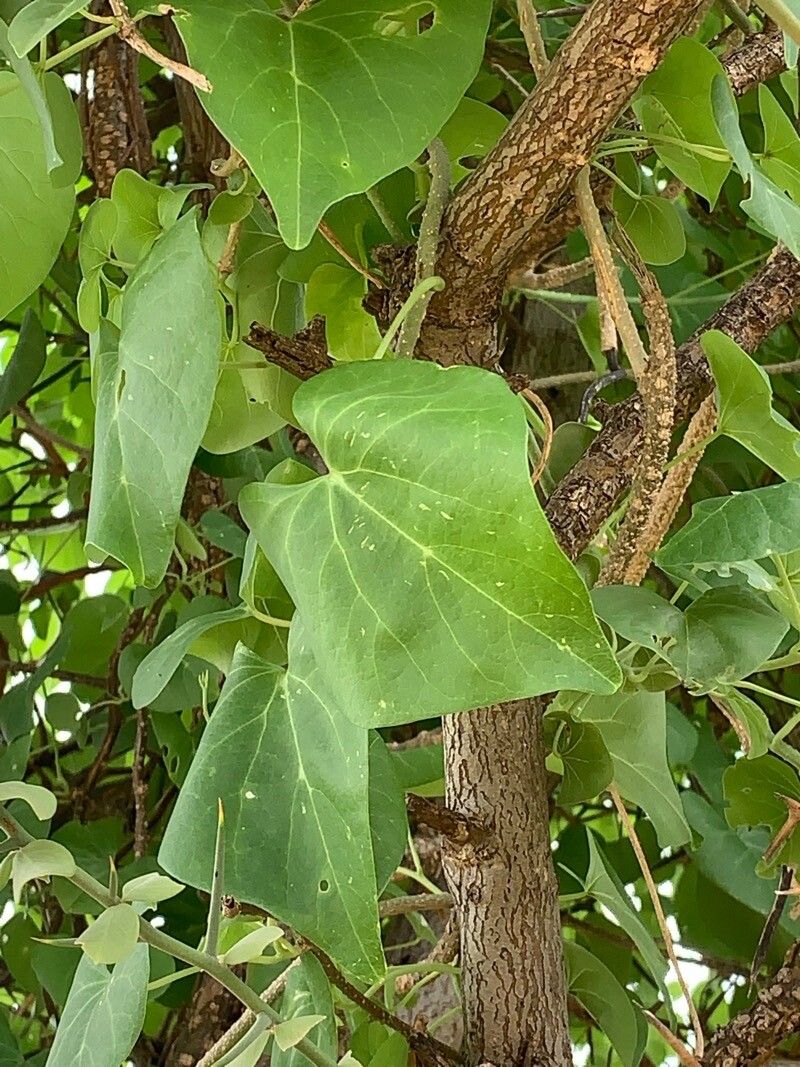
Hello there, fellow garden enthusiasts! I’m so excited to chat with you today about a plant that has truly captured my heart: Tinospora bakis. This beautiful vine, with its heart-shaped leaves and intriguing growth habit, brings a wonderful touch of the tropics to any space. And the best part? It’s remarkably easy to multiply! Propagating Tinospora bakis is a genuinely rewarding experience, a chance to connect with nature’s magic up close. For beginners, this is a fantastic plant to get your feet wet with propagation. You’ll find yourself with a whole new crop of these beauties in no time.
The Best Time to Start
When it comes to giving your Tinospora bakis cuttings the best start, think spring and early summer. This is when the plant is actively growing and has plenty of energy to put into developing roots. You’ll want to take cuttings from healthy, mature stems that are neither too woody nor too soft and new. A stem that bends slightly but doesn’t snap easily is usually just right.
Supplies You’ll Need
Gathering your tools beforehand makes the whole process so much smoother. Here’s what I always have on hand:
- Sharp, clean pruning shears or a knife: A clean cut is crucial to prevent disease.
- Rooting hormone (optional but recommended): This really gives your cuttings a boost.
- Small pots or containers: About 4-6 inch pots are perfect.
- Well-draining potting mix: I like a blend of good quality potting soil with added perlite or coarse sand to ensure good aeration.
- Plastic bags or a propagation dome: For creating a humid microclimate.
- Watering can with a fine rose: To water gently without disturbing your cuttings.
Propagation Methods
Let’s dive into the fun part – actually making more Tinospora bakis!
Stem Cuttings
This is my go-to method, and it’s incredibly effective.
- Select your stem: Choose a healthy, semi-ripe stem from your mature plant.
- Make the cut: Using your clean pruning shears, cut a piece of stem about 4 to 6 inches long. Make your cut just below a leaf node (where a leaf attaches to the stem). This is where the magic happens for root development.
- Prepare the cutting: Gently remove the leaves from the bottom half of your cutting. If the remaining leaves are very large, you can cut them in half horizontally. This reduces water loss.
- Apply rooting hormone: Dip the cut end into your rooting hormone, tapping off any excess.
- Plant your cutting: Fill your small pots with your well-draining potting mix. Make a hole with your finger or a pencil, deep enough for the cut end. Insert the cutting and gently firm the soil around it.
- Water and cover: Water the soil thoroughly until it drains from the bottom. Then, loosely cover the pot with a plastic bag or place it in your propagation dome. This creates a humid environment, which cuttings absolutely love.
The “Secret Sauce” (Pro Tips)
Here are a couple of little tricks I’ve picked up over the years that really make a difference:
- Bottom heat is your friend: If you have the space, placing your pots on a heat mat designed for propagation can significantly speed up root formation. Tinospora bakis loves a little warmth from below.
- Don’t let those leaves touch the water: If you decide to try water propagation (which is also quite successful for this plant!), make sure the leaves of your cutting are well above the water line. Only the stem nodes should be submerged. Leaves left in the water will typically rot, which can then spread to the stem and kill your cutting before it even has a chance to root.
Aftercare & Troubleshooting
Once your cuttings are planted, be patient! Keep the soil consistently moist but not waterlogged. You want it to feel like a wrung-out sponge. Place the pots in a bright spot with indirect sunlight. Avoid direct sun, which can scorch young cuttings.
You’ll know your cutting has rooted when you see new leaf growth, or if you gently tug on the cutting and feel some resistance. This usually takes anywhere from 3 to 6 weeks, depending on the conditions.
What if they don’t make it? The most common issue you might encounter is rot. This usually happens when the soil is too wet and there isn’t enough air circulation. If you see blackened, mushy stems, unfortunately, that cutting is likely lost. Don’t be discouraged! Just remove the affected cutting and check the moisture levels of your other ones.
A Little Encouragement
Propagating plants is a journey, and sometimes there are a few bumps along the way. But with Tinospora bakis, you’re already starting with a plant that’s eager to grow. Keep your chin up, enjoy the process of nurturing these new life forms, and soon you’ll have a whole jungle’s worth of these gorgeous vines to share or enjoy yourself! Happy growing!
Resource:
https://identify.plantnet.org/k-world-flora/species/Tinospora%20bakis%20(A.Rich.)%20Miers/data