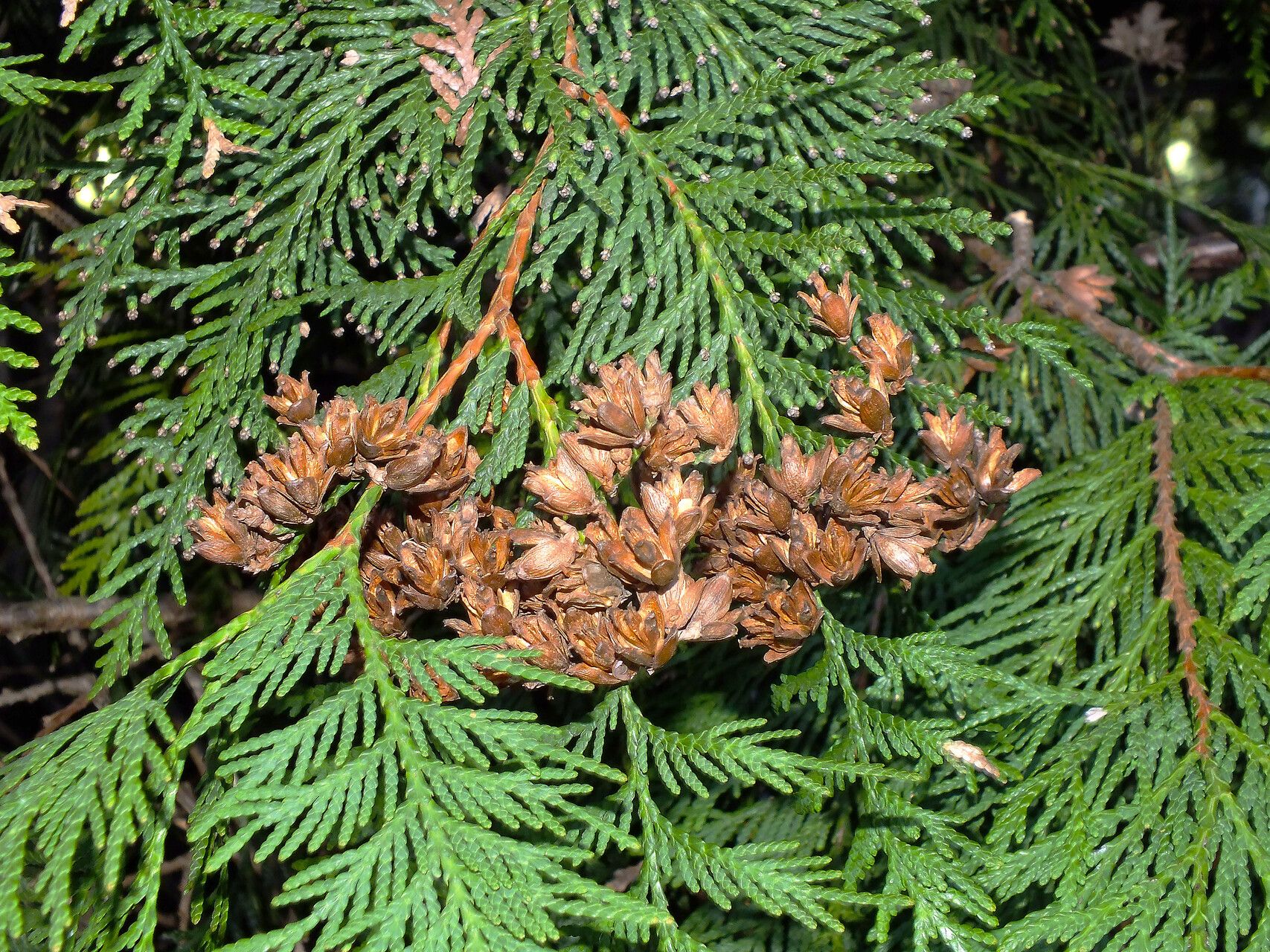
Hello fellow garden enthusiasts! Today, we’re diving into the wonderful world of propagating Thuja plicata, also known as Western Red Cedar. I’ve been working with these magnificent trees for two decades, and let me tell you, there’s a special kind of joy in nurturing a new life from a piece of an existing one.
Why Propagate Thuja Plicata?
Thuja plicata is a true gem in the landscape. Its beautiful, aromatic foliage and stately presence bring a sense of permanence and tranquility to any garden. Seeing a tiny cutting develop into a plant that will one day become a magnificent tree is incredibly rewarding. And the best part? It’s surprisingly manageable, even for those of you just starting out on your propagation journey!
The Best Time to Start
For Thuja plicata, my favorite time to take cuttings is late summer to early fall. This is when the wood is semi-hard, meaning it’s not too soft and new (like spring growth) and not too hard and mature (like older woody stems). This “semi-hardwood” stage gives us the best chance for successful rooting.
Supplies You’ll Need
Gathering your supplies beforehand makes the whole process so much smoother. Here’s what I recommend:
- Sharp, clean pruning shears or a sharp knife: Essential for making clean cuts.
- Rooting hormone powder or gel: This is a great helper, though some success can be achieved without it.
- A well-draining potting mix: I like a mix of 50% perlite and 50% peat moss or coco coir. Some gardeners also add a bit of coarse sand.
- Small pots or a propagation tray with drainage holes: Recycled yogurt cups with holes poked in the bottom work too!
- Plastic bags or a propagation dome: To maintain humidity around your cuttings.
- A spray bottle filled with water: For keeping things moist.
- Labels and a waterproof marker: Trust me, you’ll thank yourself later!
Propagation Methods: Taking Stem Cuttings
This is my go-to method for Thuja plicata. It’s straightforward and yields excellent results.
- Select Your Cuttings: Look for healthy, vigorous stems on your mature tree. You want branches that are about pencil-thick, and ideally, about 6-10 inches long.
- Make the Cut: Using your clean shears or knife, make a clean cut just below a leaf node (where a leaf attaches to the stem). This is where roots are most likely to form.
- Prepare the Cuttings: Gently strip off the lower leaves from about half of the cutting. This prevents them from rotting when planted and exposes the stem for rooting.
- Apply Rooting Hormone: Dip the cut end of the stem into your rooting hormone, tapping off any excess.
- Plant Your Cuttings: Make a hole in your potting mix with a pencil or your finger, then insert the cutting, ensuring the stripped stem is buried. Gently firm the soil around it. You can plant several cuttings in one pot, leaving a few inches between them.
- Water Gently: Water the soil thoroughly but gently, being careful not to dislodge the cuttings.
- Create a Humid Environment: Cover the pot with a plastic bag, propping it up with sticks so it doesn’t touch the foliage, or place it under a propagation dome. This traps moisture, which is crucial for rooting.
- Place in a Suitable Spot: Find a bright, indirect light location for your cuttings. A greenhouse, a bright windowsill, or even a shaded spot outdoors can work.
The “Secret Sauce” (Pro Tips)
Here are a few tricks I’ve learned over the years to give your Thuja cuttings that extra boost:
- Bottom Heat is Your Friend: If you can, place your pots on a heated propagation mat. This gentle warmth from below encourages root development significantly. It’s like a warm hug for your cuttings.
- Don’t Over-Water, But Don’t Let Them Dry Out: This is a delicate balance. Keep the soil consistently moist, like a wrung-out sponge, but never waterlogged. Check the moisture level by feeling the soil an inch down.
- Mist Regularly: Even with the plastic cover, misting the foliage every few days with your spray bottle helps keep the leaves hydrated while the roots are forming.
Aftercare & Troubleshooting
Patience is key here! It can take anywhere from 4-8 weeks, or even longer, for your Thuja plicata cuttings to develop a good root system. You’ll know they’re ready when you gently tug on them and feel resistance, or when you see new growth emerging from the tip.
Once roots have formed, you can gradually remove the plastic cover over a few days to acclimate them to normal humidity. Continue to keep the soil moist and provide them with bright, indirect light. When they have a robust root system, you can carefully transplant them into individual pots or a nursery bed.
The most common sign of failure is rot. If your cuttings turn black and mushy, it’s usually a sign of overwatering or poor drainage. Ensure you’re using a well-draining mix and not overcrowding your pots. If you see wilting that doesn’t improve with watering, it could also indicate a problem with root development or rot.
A Encouraging Closing
There you have it – a journey into propagating your own beautiful Thuja plicata trees! Remember, nature doesn’t rush, and neither should you. Embrace the process, learn from each cutting, and celebrate every small victory. Happy propagating, and I can’t wait to see your little cedars thrive!
Resource:
https://identify.plantnet.org/k-world-flora/species/Thuja%20plicata%20Donn%20ex%20D.Don/data