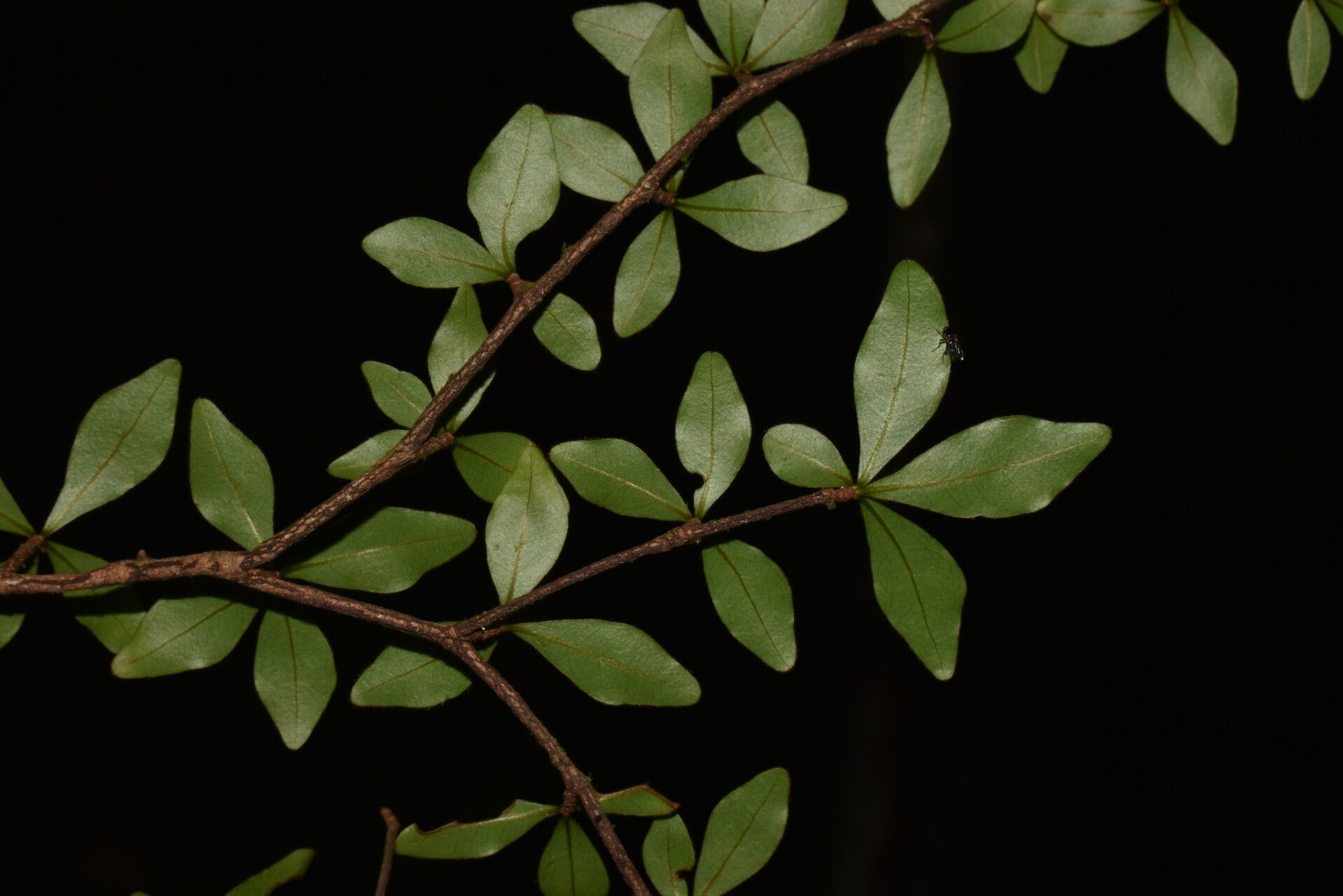
Hello fellow plant lovers! It’s so wonderful to connect with you again. Today, we’re diving into the fascinating world of propagating Terminalia parvifolia. If you’ve ever admired the beautiful, often silvery foliage and graceful structure of this tree, you’re in for a treat. Propagating it is a wonderfully rewarding way to bring more of its unique charm into your own garden, or to share with friends. For beginners, I’d say Terminalia parvifolia falls into the “moderately achievable” category. With a little care and attention, you’ll be well on your way to success.
The Best Time to Start
When it comes to getting the most bang for your propagation buck, timing is everything. I’ve found the late spring or early summer to be your sweet spot. This is when the plant is in an active growth phase, meaning it has plenty of energy to put into developing new roots. Look for new, healthy growth that is still somewhat soft and pliable – what we often call “semi-hardwood” cuttings. Avoid trying to propagate during a major drought or extreme heat, as this will only stress your parent plant and the cuttings.
Supplies You’ll Need
Here’s a little toolkit to get you started on your propagation adventure:
- Sharp Pruning Shears or a Clean Knife: For making clean cuts.
- Rooting Hormone (optional but recommended): A powder or gel to encourage root development.
- Well-Draining Potting Mix: A good blend for cuttings is typically equal parts peat moss or coco coir and perlite or coarse sand. You can also buy specific propagation mixes.
- Small Pots or Seedling Trays: With drainage holes, of course!
- Plastic Bag or Humidity Dome: To maintain a moist environment around your cuttings.
- Watering Can or Mister: For gentle watering.
- Labels: To keep track of what you’ve propagated and when.
Propagation Methods
Let’s get our hands dirty with the most common and effective way to propagate Terminalia parvifolia: stem cuttings.
- Take Your Cuttings: In late spring or early summer, select healthy stems from your mature plant. Look for pieces that are about 4-6 inches long and have a few sets of leaves. Make a clean cut just below a leaf node (where a leaf joins the stem).
- Prepare the Cuttings: Gently remove the leaves from the bottom half of the cutting. This prevents them from rotting when buried in the soil. If you choose to use rooting hormone, dip the cut end into the powder or gel, tapping off any excess.
- Plant Your Cuttings: Fill your small pots with your prepared potting mix. Make a small hole in the center of the soil with a pencil or your finger. Insert the cutting into the hole, making sure the leaf nodes are covered. Gently firm the soil around the base of the cutting.
- Water and Cover: Water the soil thoroughly but gently. You want it to be moist, not waterlogged. Now, cover the pot with a clear plastic bag or a humidity dome. This creates a mini-greenhouse effect, keeping humidity levels high, which is crucial for cuttings that can’t yet absorb water through roots.
The “Secret Sauce” (Pro Tips)
Here are a couple of insider tips that have made a big difference for me over the years:
- Bottom Heat is Your Friend: If you can, place your pots on a heating mat designed for seedlings. This gentle warmth from below encourages root development much faster than ambient room temperature alone. It’s like giving your cuttings a warm, cozy spa treatment!
- Don’t Overwater, But Keep it Moist: This is a delicate balance. You want the soil to stay consistently moist to mimic the humid environment of a tropical forest, but never soggy. Soggy soil is a fast track to rot. I often check the moisture by gently pressing the soil with my fingertip. If it feels dry, it’s time for a light watering or misting.
Aftercare & Troubleshooting
Once your cuttings have been planted, keep them in a bright spot, but out of direct, scorching sunlight. Be patient! It can take several weeks, sometimes even a couple of months, for roots to form.
You’ll know your cuttings are ready to be transplanted when you see new leaf growth and you gently tug on the cutting and feel resistance, indicating root formation. At this point, you can gradually acclimatize them to less humid conditions by removing the plastic bag or dome for increasing periods each day. Once they are well-established, you can transplant them into slightly larger pots.
The most common issue you might encounter is rot. If you see your cuttings turning black and mushy, it’s usually a sign of overwatering. Unfortunately, if rot sets in, it’s difficult to save. That’s where those careful watering habits and good drainage come in!
A Encouraging Closing
Propagating plants, especially something as lovely as Terminalia parvifolia, is a journey. There will be successes, and there might be a few setbacks, but each attempt teaches you something new. Don’t get discouraged if your first few tries aren’t perfect. Keep observing, keep tweaking, and most importantly, enjoy the wonderful process of coaxing new life from your favorite plants. Happy propagating!
Resource: