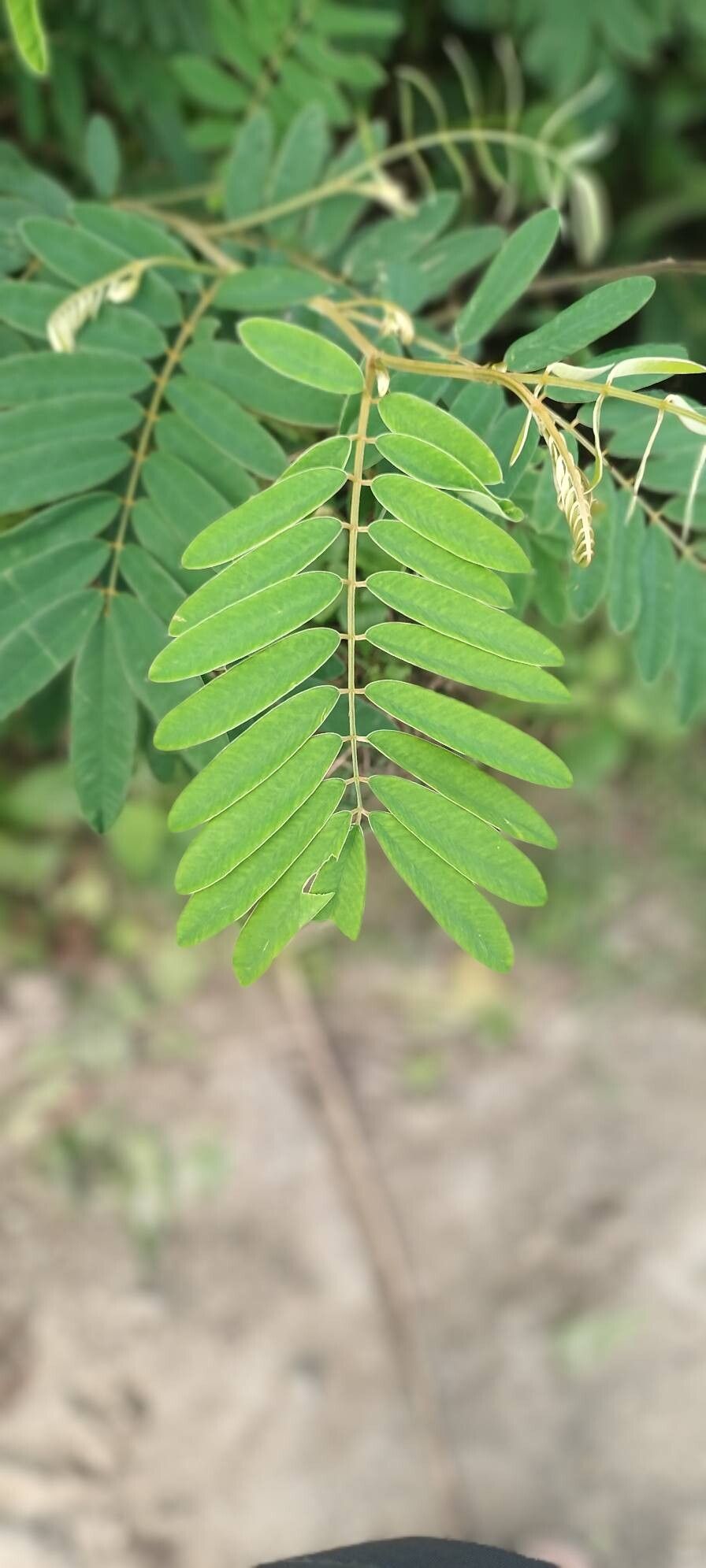
Hello, fellow plant lovers! I’m so excited to chat with you today about a truly delightful plant: Tephrosia candida. If you’re looking for a plant that brings a touch of the tropics to your garden with its stunning white blooms, you’re in for a treat. And the best part? Sharing this beauty with others is wonderfully achievable through propagation. I’ll guide you through it, and you’ll see it’s a task that’s quite rewarding, even for those just starting their gardening journey.
The Best Time to Start
Generally, I find the late spring or early summer to be your absolute best bet for propagating Tephrosia candida. This is when the plant is in its active growth phase. New growth is more vigorous and has more energy to dedicate to rooting. Trying to propagate too late in the season, when growth is slowing down, can lead to a much lower success rate. Look for stems that are firm but not yet woody.
Supplies You’ll Need
Here’s what I always have on hand when I’m propagating:
- Sharp pruning shears or a clean knife: For making clean cuts.
- Rooting hormone (optional but recommended): A powdered or gel form can give your cuttings a significant boost.
- Potting mix: I love a mix of equal parts peat moss, perlite, and composted bark. It drains well but still holds some moisture.
- Small pots or seed trays: Make sure they have drainage holes!
- A clear plastic bag or humidity dome: To create a mini-greenhouse effect.
- Water: For misting and watering the cuttings.
Propagation Methods
For Tephrosia candida, I’ve found stem cuttings to be the most reliable and straightforward method.
- Take Your Cuttings: Choose healthy, non-flowering stems from a mature plant. Using your sharp pruning shears, cut sections about 4-6 inches long. Make the cut just below a leaf node (where a leaf attaches to the stem).
- Prepare the Cuttings: Gently remove the lower leaves from the stem, leaving just a few at the top. This prevents them from rotting once they are in the soil.
- Apply Rooting Hormone (Optional but Helpful): Dip the cut end of each stem into your rooting hormone, tapping off any excess.
- Plant Your Cuttings: Fill your pots or trays with your prepared potting mix. Make a small hole in the center of each pot with your finger or a pencil. Insert the cuttings into these holes, ensuring the leaf nodes you bared are below the soil surface. Gently firm the soil around them.
- Create a Humid Environment: Water the soil lightly. Then, cover the pots with a clear plastic bag or set them under a humidity dome. This is crucial for keeping the humidity high around the cuttings, which encourages root development.
The “Secret Sauce” (Pro Tips)
Here are a few tricks I’ve learned over the years that can really improve your success:
- Don’t Let Leaves Touch the Water (in any scenario): If you decide to try water propagation (though I find cuttings in soil more successful for Tephrosia candida), make absolutely sure the leaves don’t sit in the water. Any part of the stem below the water is prone to rot. Only a few inches of the bare stem should be submerged.
- Bottom Heat is Your Friend: If you have a seedling heat mat, placing your pots on it can make a world of difference. Consistent warmth from below encourages root formation much faster and more efficiently. It mimics the ideal conditions of spring soil.
- Be Patient with Woody Cuttings: Sometimes, even with the best intentions, a cutting might look slow to root. If the stem feels firm and isn’t mushy, give it more time! Tephrosia candida can sometimes be a bit of a slow starter, but a firm stem is a good sign.
Aftercare & Troubleshooting
Once you start to see new leaf growth emerging from your cuttings, that’s a fantastic sign! It usually means roots have formed. You can gently tug on a cutting; if you feel resistance, roots are developing.
Keep the soil lightly moist and continue to provide that humid environment for a few more weeks. Once the new plants are established and have a good root system, you can gradually acclimate them to normal room conditions by opening the plastic bag a little more each day before removing it entirely.
The most common problem you might encounter is rot. If a cutting turns black and mushy, it’s succumbed to rot. This is usually due to overwatering or poor drainage. Make sure your potting mix is well-aerated and that your pots have good drainage. If you see signs of rot, try to remove the affected cutting immediately to prevent it from spreading to others.
A Warm Encouragement
Propagating plants is a journey, and sometimes not every cutting will make it. That’s perfectly okay! Each attempt is a learning experience. The satisfaction of seeing a tiny stem transform into a new, vibrant plant is truly special. Be patient with your Tephrosia candida cuttings, enjoy the process, and soon you’ll be sharing its beauty with friends and family! Happy gardening!
Resource:
https://identify.plantnet.org/k-world-flora/species/Tephrosia%20candida%20DC./data