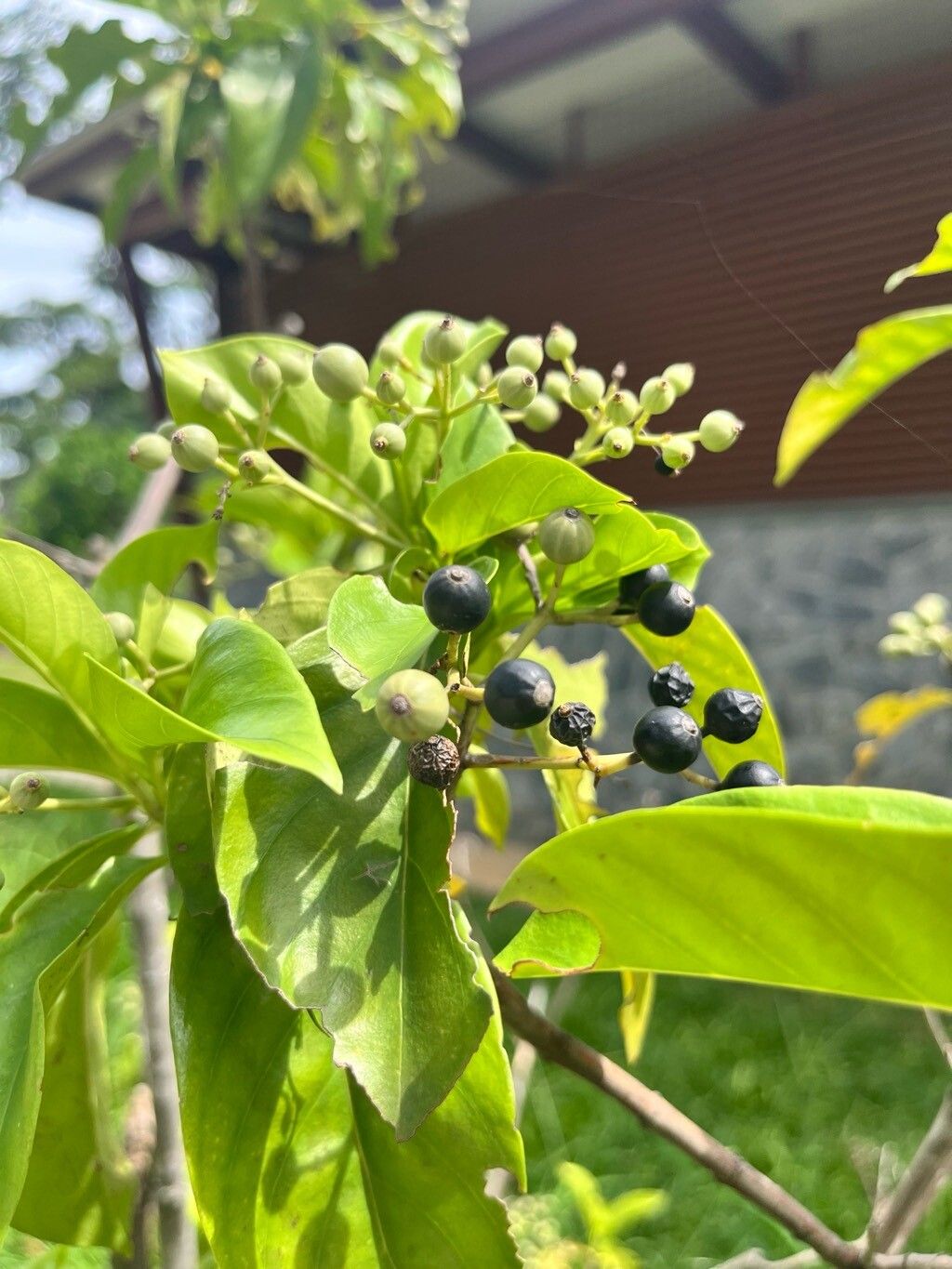
Hello there, fellow plant lovers! It’s so wonderful to connect with you again. Today, we’re diving into the delightful world of propagating Tarenna odorata. If you’re drawn to plants with gorgeous, fragrant blooms and glossy, dark green leaves, then this one is a real treat. I remember the first time I encountered a Tarenna in full flower, the scent was absolutely intoxicating.
Propagating Tarenna odorata is a truly rewarding venture. There’s a special kind of joy in nurturing a tiny cutting into a flourishing plant. For those just starting out on their propagation journey, don’t be too intimidated! While it’s not necessarily a “set it and forget it” situation, with a little attention, you can achieve a great success rate. Think of it as learning a new gardening dance – a few practice steps and you’ll be twirling!
The Best Time to Start
When it comes to giving your Tarenna odorata cuttings the best chance, late spring to early summer is generally my go-to. The plant is in its active growing phase then, which means it’s brimming with energy and ready to put out those new roots. Look for stems that are developing but not yet woody. They should feel slightly firm, not completely soft and floppy.
Supplies You’ll Need
Gathering your supplies before you begin makes the whole process so much smoother. Here’s what I usually have on hand:
- Sharp Pruning Shears or a Clean Knife: For making clean cuts. This is crucial!
- Rooting Hormone Powder or Gel: While not strictly mandatory for Tarenna odorata, it certainly speeds things up and increases your odds.
- A Well-Draining Potting Mix: I love a blend of equal parts peat moss or coco coir, perlite, and coarse sand. This ensures good aeration and prevents waterlogging.
- Small Pots or Trays: Clean, small containers are perfect for starting your cuttings.
- Clear Plastic Bags or a Humidity Dome: To keep the humidity high around your cuttings.
- Watering Can with a Fine Rose: For gentle watering.
- Soft Pencils or Labels: To keep track of what you’ve planted and when!
Propagation Methods
My preferred method for Tarenna odorata is stem cuttings. It’s reliable and offers a fantastic success rate when done correctly.
- Select Your Cuttings: Head out to your Tarenna odorata and look for healthy, non-flowering stems. Aim for pieces that are about 4-6 inches long.
- Make the Cut: Using your sharp shears or knife, make a clean cut just below a leaf node. A leaf node is where a leaf attaches to the stem. This is where the magic happens, where roots will form. Remove any flowers or flower buds from the cutting.
- Prepare the Cutting: Gently remove the lower leaves from the cutting, leaving just a couple of leaves at the very tip. This encourages the plant to focus its energy on rooting, not on supporting unnecessary foliage.
- Dip in Rooting Hormone (Optional but Recommended): If you’re using rooting hormone, lightly moisten the cut end and dip it into the powder or gel. Tap off any excess.
- Plant Your Cuttings: Fill your small pots with your prepared potting mix. Make a small hole in the center with a pencil. Carefully insert the cut end of your Tarenna cutting into the hole, making sure it’s snug. Gently firm the soil around the base.
- Water Gently: Water the soil thoroughly until you see water draining from the bottom of the pot.
The “Secret Sauce” (Pro Tips)
Here are a couple of things I’ve learned over the years that really give your cuttings an edge:
- Don’t Let Lower Leaves Touch the Medium: When you pot your cuttings, make sure no leaves are buried in the soil. They’ll just rot and can take out your whole cutting. Give them a little trim if needed to keep them clear.
- Embrace Bottom Heat: If you have a heat mat, placing your pots on it can significantly speed up root development. The gentle warmth mimics spring soil, signaling to the plant that it’s time to get growing underground.
Aftercare & Troubleshooting
Once your cuttings are planted, it’s time to create their own little greenhouse. Cover the pots with a clear plastic bag (making sure the leaves don’t touch the plastic) or place them under a humidity dome. Put them in a bright spot, but avoid direct sunlight, which can scorch the delicate cuttings. Keep the soil consistently moist, but not soggy.
You’ll know your Tarenna odorata has rooted when you see new leaf growth or feel a gentle resistance when you tug lightly on the cutting. This usually takes about 4-8 weeks, sometimes a bit longer.
The most common issue you might encounter is rot. If your cutting looks mushy, is turning black, or smells unpleasant, it’s likely rotted. This is usually due to overwatering or poor air circulation. Don’t be discouraged if a few don’t make it; it’s part of the learning process!
A Encouraging Closing
So there you have it! Propagating Tarenna odorata is a wonderful way to multiply that fragrant beauty in your garden. Be patient with your little ones, give them the right conditions, and soon you’ll have more of these lovely plants to share or simply enjoy yourself. Happy propagating, and may your gardens bloom!
Resource:
https://identify.plantnet.org/k-world-flora/species/Tarenna%20odorata%20(Roxb.)%20B.L.Rob./data