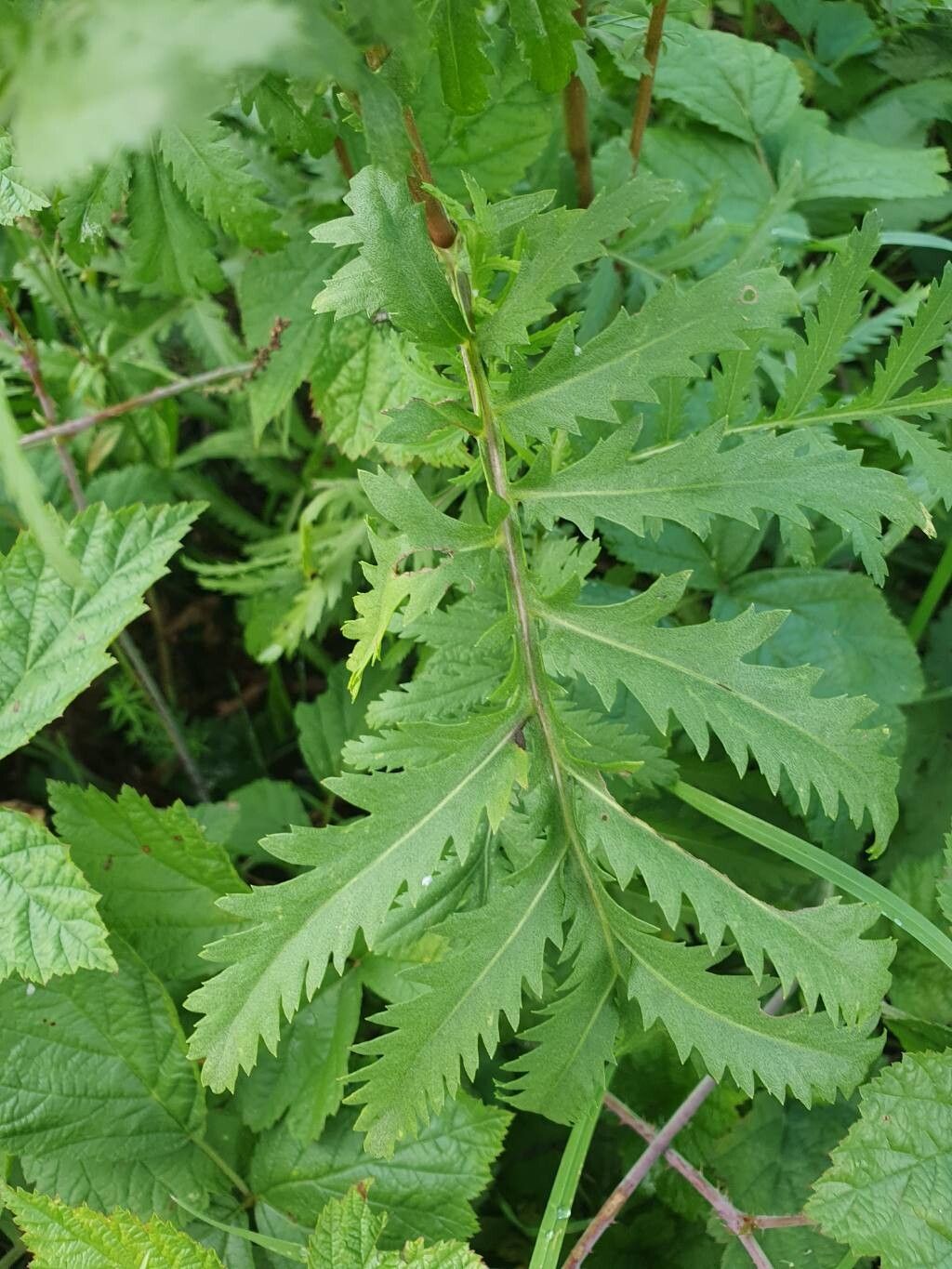
Hello fellow garden enthusiasts! Today, we’re diving into the wonderful world of propagating Golden Tansy, or Tanacetum vulgare. You know this cheerful yellow daisy-like flower, often seen in cottage gardens and even used for its natural insect-repelling qualities. It’s a tough cookie, bringing a bright splash of color and a lovely scent to any space. And the best part? It’s quite forgiving, making it a fantastic plant to try your hand at propagating, even if you’re just starting out. It’s incredibly rewarding to watch a tiny cutting transform into a thriving new plant.
The Best Time to Start
For Golden Tansy, my favorite time to take cuttings is in late spring or early summer. This is when the plant is actively growing and has plenty of young, tender stems. You want to look for stems that are still a bit flexible, not fully woody. You can also successfully divide established clumps in early spring as soon as the soil can be worked, or in the fall after flowering.
Supplies You’ll Need
- Sharp pruning shears or a clean knife: For making neat cuts.
- A light, well-draining potting mix: I like a blend of peat moss, perlite, and a bit of compost. Or, a seed-starting mix works wonders.
- Small pots or seed trays: With drainage holes, of course!
- Rooting hormone (optional but helpful): A powdered or liquid form.
- A spray bottle: For misting.
- A plastic bag or clear cover: To create a mini-greenhouse effect.
- Labels: So you don’t forget what you planted where!
Propagation Methods
Let’s get our hands dirty! Golden Tansy is happiest when propagated by stem cuttings or division.
Stem Cuttings:
- First, select a healthy stem on your mature Tansy plant. Snip a 4-6 inch cutting from the top of the stem. Make your cut just below a leaf node (where a leaf attaches to the stem).
- Gently remove the lower leaves from the cutting, leaving just a few at the very top. This prevents them from rotting in the soil.
- If you’re using rooting hormone, dip the cut end into the powder or liquid. Tap off any excess.
- Insert the cutting about an inch deep into your prepared potting mix. Make sure the soil is firm around the stem.
- Water gently to settle the soil.
- Cover the pot with a plastic bag or clear lid to maintain humidity. Place it in a bright spot, but out of direct sunlight.
Division:
- This is best done in early spring or fall. Dig up your Tansy clump carefully.
- Gently pull the root ball apart with your hands or use a clean spade to divide it into smaller sections. Each division should have some roots and at least one or two shoots.
- Replant the divisions immediately into their new homes, watering them in well.
The “Secret Sauce” (Pro Tips)
Here are a few little tricks I’ve learned over the years:
- When taking stem cuttings, avoid using flower buds. You want the energy to go into root development, not flowering. If there are any tiny flower buds on your cutting, pinch them off.
- For stem cuttings, bottom heat is your friend. Placing your pots on a heated propagation mat can significantly speed up root formation. It mimics the warmth of spring soil.
- Don’t overwater! While cuttings need moisture, soggy soil is the quickest way to rot. It’s better to err on the side of slightly dry than constantly wet.
Aftercare & Troubleshooting
Once you see new leaf growth on your cuttings, it’s a good sign roots are forming! You can gently tug on the cutting – if there’s resistance, roots have taken hold. Slowly acclimate your new plants to normal conditions by gradually removing the plastic cover over a few days. Continue to water them when the top inch of soil feels dry.
The main issue you might encounter is rot. This usually happens if the soil is too wet or there isn’t enough air circulation. If you see a cutting looking limp, dark, or mushy, sadly, it’s likely beyond saving. Just remove it and check the moisture levels of your other cuttings.
A Little Patience Goes a Long Way
Propagating takes a bit of patience, but watching those new roots emerge and seeing your Tansy cuttings flourish is a truly wonderful feeling. Don’t get discouraged if not every cutting takes – gardening is all about learning and experimenting. Enjoy the process, and soon you’ll have an abundance of cheerful Golden Tansy to share and enjoy! Happy gardening!
Resource:
https://identify.plantnet.org/k-world-flora/species/Tanacetum%20vulgare%20L./data