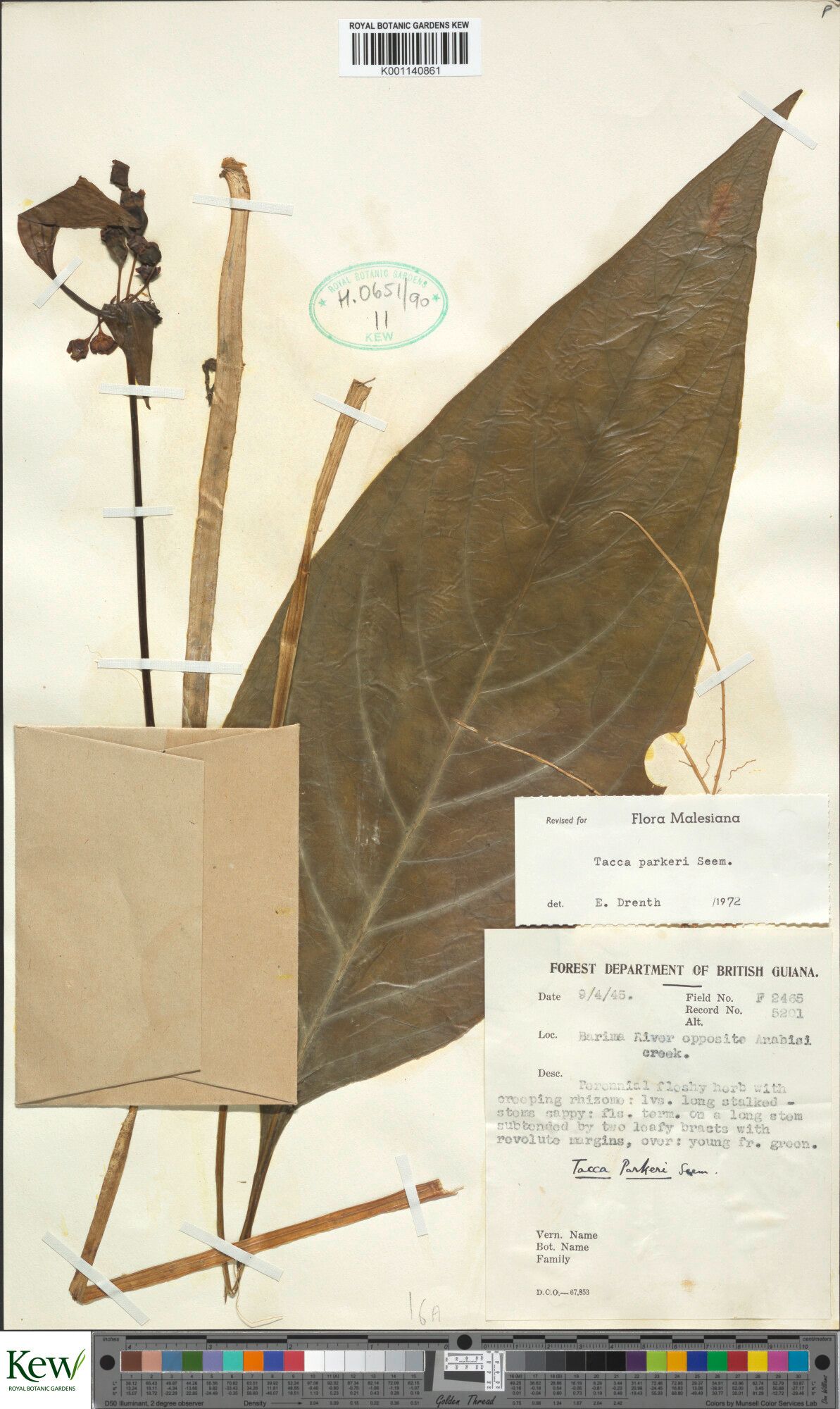
Hello, fellow plant lovers! If you’ve ever been captivated by the otherworldly beauty of Tacca parkeri, you know it’s a truly special plant. Those dramatic, cape-like bracts and trailing filaments are simply mesmerizing. And the thought of creating more of these beauties from your own existing plant? Pure garden joy! Now, let me be upfront: Tacca parkeri isn’t the easiest plant to propagate. It can be a bit fussy, but with a little patience and the right approach, it’s absolutely rewarding. Don’t let that deter you; think of it as a delightful challenge to hone your skills.
The Best Time to Start
The sweet spot for propagating Tacca parkeri is during its active growing season, which typically falls from late spring through summer. This is when the plant has the most energy to put into producing new growth and developing roots. You’ll want to select a healthy, vigorous parent plant that shows signs of active development.
Supplies You’ll Need
Here’s what you’ll want to have on hand:
- Sharp, clean pruning shears or a sharp knife: For clean cuts that reduce the risk of disease.
- Well-draining potting mix: A mix designed for aroids or a custom blend of peat moss, perlite, and orchid bark works wonderfully.
- Rooting hormone (optional, but recommended): A powdered or gel form can significantly boost success.
- Small pots or seed trays: For your new cuttings. Make sure they have drainage holes.
- Clear plastic bags or a propagation dome: To maintain high humidity around your cuttings.
- Watering can with a fine rose: For gentle watering.
- A warm spot: Either a heated propagator or a sunny windowsill will do.
Propagation Methods
While Tacca parkeri can be a little shy, division is generally your most reliable method for successful propagation.
Division: The Tried and True Method
This is how we’ll increase our Tacca collection without too much fuss.
- Gently remove the parent plant from its pot. Try to loosen the soil around the edges first.
- Inspect the root ball. Look for distinct sections where new shoots or rhizomes are emerging. You’re essentially looking for natural separations in the plant’s growth.
- Carefully separate the divisions. You might need to use your fingers to tease them apart. If it’s a bit stubborn, use your clean knife or shears to cut through thicker rhizomes, ensuring each division has some healthy roots and at least one growing point or leaf.
- Prepare your new pots. Fill them with your well-draining potting mix.
- Plant the divisions. Place each division in its new pot, ensuring the top of the rhizome is just at or slightly below the soil surface.
- Water gently. Water thoroughly after planting to settle the soil.
- Provide humidity. Place the pots in a warm location with bright, indirect light and cover them with a plastic bag or propagation dome to keep the humidity high.
The “Secret Sauce” (Pro Tips)
Here are a couple of things I’ve learned from years of coaxing these beauties:
- Don’t rush the division. Sometimes, a division might look a little sad, but if it has healthy roots and a viable growing point, give it time. Patience here is key.
- Mimic their natural environment. Tacca parkeri thrives in warm, humid conditions. Think tropical understory. If you struggle with humidity, a small humidifier near your propagation setup can make a world of difference.
- Avoid waterlogged soil. This is crucial! Even though they like humidity, a soggy root ball is a death sentence for Tacca. Good drainage is non-negotiable.
Aftercare & Troubleshooting
Once your divisions are potted up, keep them consistently moist but not soggy. Bright, indirect light is perfect. Avoid direct sun, which can scorch their leaves. You’ll know they’re happy when you see new leaf growth emerging.
The most common sign of trouble is rot. If you notice your cuttings turning mushy, browning, or developing black spots, it’s usually a sign of too much moisture and not enough air circulation. If you see this, try pulling the cutting out, trimming away any rotted sections with a clean knife, and repotting in fresh, dry mix. Ensure good airflow around your propagations.
A Little Encouragement
Nurturing a new Tacca parkeri from a division is a truly satisfying experience. Be patient with the process; these plants can take their time. Celebrate each little sign of success, and don’t be discouraged if you have a few setbacks. Every gardener has them! Happy propagating!
Resource:
https://identify.plantnet.org/k-world-flora/species/Tacca%20parkeri%20Seem./data