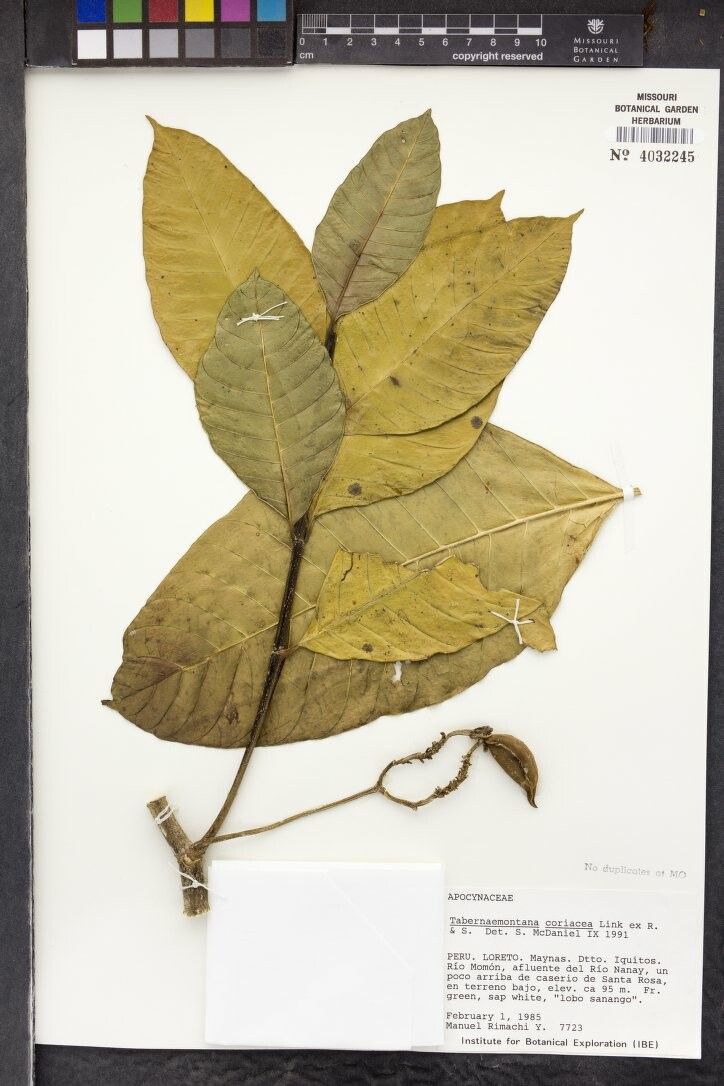
Hey there, fellow plant lovers! If you’ve ever admired those gorgeous, fragrant white blooms of Tabernaemontana coriacea – chances are you’ve been bitten by the propagation bug. I know I have! This plant, often called “crepe jasmine” or “Crape Jasmine,” is just lovely. Its glossy leaves and trumpet-shaped flowers are a real treat, and the sweet scent it releases, especially in the evening, is pure magic.
And guess what? Bringing more of this beauty into your life by propagating it yourself is incredibly rewarding. It’s a fantastic way to expand your collection, share with friends, or even just get a deeper understanding of how these plants grow. Now, is it a walk in the park for absolute beginners? Honestly, it can be a little tricky, but with a bit of guidance and patience, you’ll be successful. Don’t let that discourage you one bit!
The Best Time to Start
For Tabernaemontana coriacea, the absolute sweet spot for propagation is during its active growing season. Think late spring and through the summer months. This is when the plant has the most energy to dedicate to healing and rooting new growth. Trying to propagate when the plant is dormant, like in the dead of winter, will likely lead to disappointment. You want to catch it at its peak vitality!
Supplies You’ll Need
Before we get our hands dirty, let’s gather our gear. Having everything ready makes the process so much smoother.
- Sharp Pruning Shears or a Clean Knife: For making clean cuts.
- Rooting Hormone: A powdered or liquid hormone can significantly speed up root formation.
- Well-Draining Potting Mix: I like to use a blend of equal parts perlite, coarse sand, and peat moss or coco coir. This ensures no waterlogging.
- Small Pots or Propagation Trays: About 4-inch pots are usually perfect. Make sure they have drainage holes!
- Plastic Bag or Humidity Dome: To create a humid environment for your cuttings.
- Watering Can or Spray Bottle: For gentle watering.
- Optional: Heated Seedling Mat: This is a real game-changer for encouraging root growth.
Propagation Methods
Let’s dive into how we can coax new Tabernaemontana coriacea plants into being! Stem cuttings are my go-to for this beauty.
Stem Cuttings
This is generally the most reliable method for Tabernaemontana coriacea.
- Select Your Cuttings: Look for healthy, semi-hardwood stems. These are stems that are not brand new growth (too soft) nor old and woody (too hard). You’re looking for stems that have grown this season but have started to firm up a little.
- Make the Cut: Using your clean shears or knife, take cuttings that are about 4-6 inches long. Make your cut just below a leaf node (where a leaf attaches to the stem). This is where roots are most likely to form.
- Prepare the Cuttings: Gently remove the lower leaves from the cuttings, leaving just a few at the very top. You can even trim the remaining leaves in half if they are very large, as this reduces water loss through transpiration.
- Apply Rooting Hormone: Dip the cut end of each stem into your rooting hormone. Tap off any excess – you want a light coating.
- Pot Them Up: Fill your small pots with your prepared potting mix. Make a hole in the center of the soil with your finger or a pencil.
- Insert the Cuttings: Place each cutting into the hole, ensuring the leaf nodes are buried in the soil. Gently firm the soil around the stem to hold it in place.
- Water Gently: Water thoroughly but gently until you see water drain from the bottom of the pot.
Water Propagation (Less Common, but Worth a Try for Beginners)
While stem cuttings in soil are my preference, you can try rooting in water as an experiment.
- Prepare Cuttings: Follow steps 1-3 from the stem cutting method.
- Place in Water: Put the prepared cuttings into a clean glass or jar filled with fresh water. Make sure the leaf nodes are submerged.
- The Don’t-Touch Rule: Crucially, do not let the leaves touch the water. This will lead to rot very quickly. You might need to bend the leaves over the rim of the glass or use a different container that allows the leaves to stay above the waterline.
- Change Water Regularly: Change the water every few days to keep it fresh and prevent bacterial growth.
The “Secret Sauce” (Pro Tips)
Now for a few little tricks I’ve learned over the years that really make a difference.
- Embrace Bottom Heat: If you have a seedling mat, use it! Tabernaemontana roots absolutely love a little warmth from below. It encourages those roots to get busy much faster and improves your success rate dramatically. Place your pots on the mat.
- Mini Greenhouse Effect: After potting your cuttings, cover them with a clear plastic bag or place them under a humidity dome. This creates a humid environment that prevents the cuttings from drying out while they’re trying to root. Make sure the leaves don’t droop and touch the plastic, as this can also cause rot. You can use stakes to prop up the bag if needed.
- Patience is Key (And a Little Sneaky): When you think your cuttings might be rooted (usually after 4-8 weeks, sometimes longer), give them a gentle tug. If you feel resistance, it means roots have formed! Don’t yank them out to inspect – that can damage delicate new roots.
Aftercare & Troubleshooting
Once you see signs of root development, it’s time to transition your new babies to the next stage.
- Gradual Acclimation: If you’ve used a plastic bag or dome, slowly start to acclimate your new plants to normal humidity. Open the bag or dome for a few hours each day, gradually increasing the time over a week or so.
- Move to Individual Pots (if needed): If your cuttings are in a tray and have rooted well, you can pot them into their own individual pots filled with a good quality, well-draining potting mix.
- Watering: Water gently. Let the top inch of soil dry out between waterings. They’re still tender, so don’t overdo it.
- Light: Place the new plants in bright, indirect light. Avoid direct, harsh sun until they are more established.
Troubleshooting: The most common issue you’ll face is rot. If a cutting turns mushy, black, or slimy, it’s likely rotted. This is often due to too much moisture, poor drainage, or lack of air circulation. If you see signs of rot, remove the affected cutting immediately to prevent it from spreading. Sometimes, if only the very tip is affected, you can try trimming it off and reapplying rooting hormone if you feel it’s worth trying again.
A Warm Welcome to Your New Plants!
Propagating plants can feel like magic, can’t it? It’s so fulfilling to take a piece of a beloved plant and nurture it into a new life. Be patient with your Tabernaemontana coriacea cuttings. Some will root faster than others, and not every single one might make it. That’s just part of the gardening journey! Enjoy the process, learn from each attempt, and soon you’ll have a little garden full of fragrant blooms. Happy propagating!
Resource: