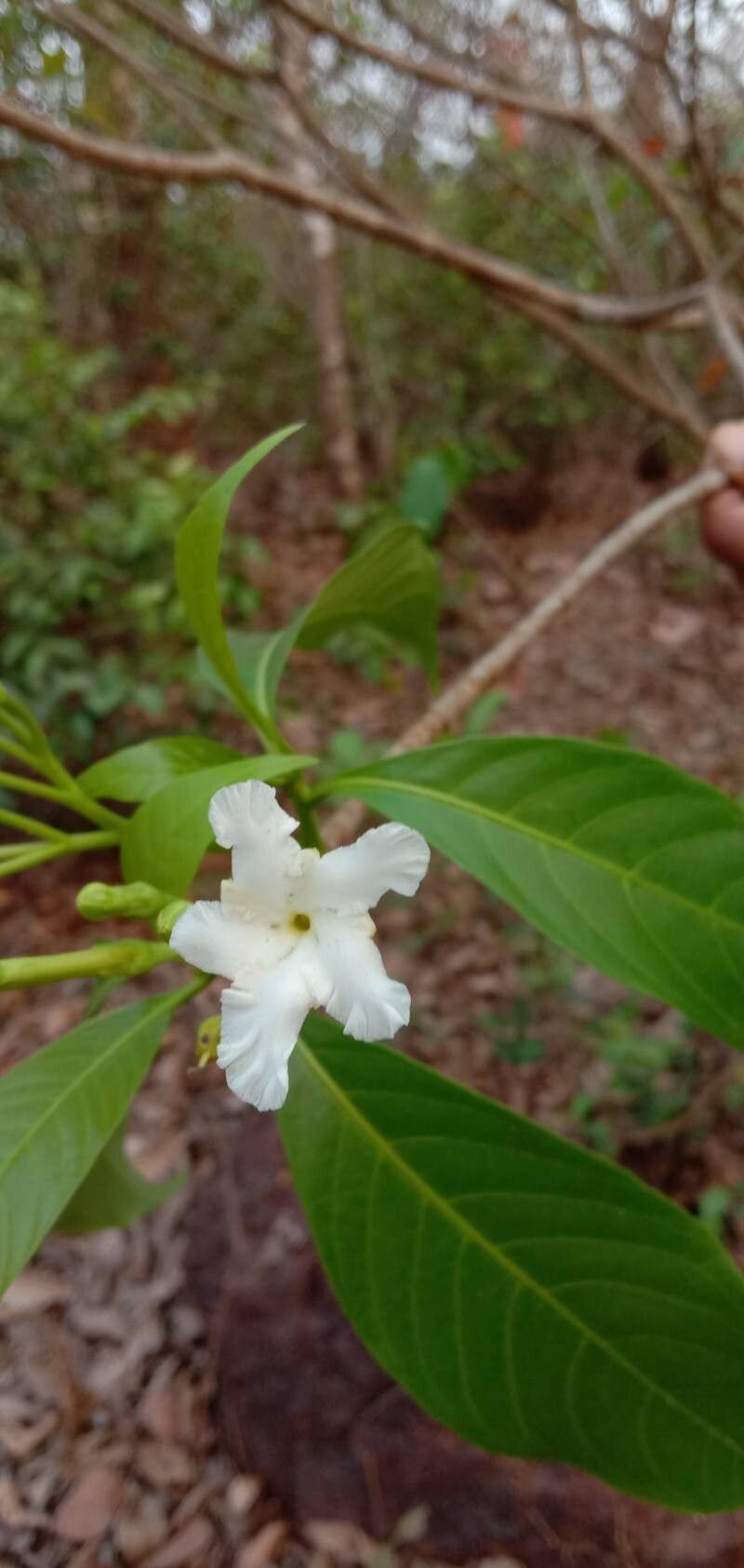
Oh, hello there! Grab a mug of your favorite beverage. I’ve got a treat for you today – a deep dive into propagating Tabernaemontana alternifolia, also known as the Wax Flower or Crepe Jasmine. If you’re anything like me, the allure of those creamy white, intensely fragrant blooms is simply irresistible. And the best part? You can multiply that beauty yourself!
Your Own Blooming Garden with Tabernaemontana alternifolia
This plant is a real stunner, isn’t it? Its glossy green leaves provide a lovely backdrop for those star-shaped flowers that perfume the air, especially in the evening. Propagating it is a wonderfully rewarding experience. You get to witness new life emerge from a piece of your existing plant. For beginners, I’d say it’s moderately challenging. It’s not as straightforward as a succulent, but with a bit of attention and these tips, you’ll be well on your way to success!
When Dreams of New Blooms Begin: The Best Time to Start
For Tabernaemontana alternifolia, spring and early summer are your prime propagation windows. This is when the plant is actively growing and has plenty of energy to put into developing roots. Look for stems that are mature but not woody – think of them as “semi-hardwood” cuttings. Harvesting them when the plant is putting out new growth is key.
Gather Your Gardening Arsenal: Supplies You’ll Need
Before we get our hands dirty, let’s make sure we have everything ready. This saves us from pausing mid-process!
- Sharp Pruning Shears or a Clean Knife: For making clean cuts.
- Rooting Hormone Powder/Gel: This isn’t strictly mandatory, but it really boosts your success rate.
- Small Pots or Seedling Trays: With drainage holes, of course!
- Well-Draining Potting Mix: A good general potting mix amended with perlite or coarse sand works wonderfully. I often use a 50/50 blend of potting soil and perlite.
- Clear Plastic Bag or a Propagator Lid: To create a humid environment.
- Watering Can with a Fine Rose: For gentle watering.
- Optional: Heating Mat: This can speed up root development, especially if your home is a bit on the cooler side.
Bringing More Life: Propagation Methods
Let’s talk about how we’ll get these new plants started. Stem cuttings are my go-to for Tabernaemontana alternifolia.
Stem Cuttings: The Most Reliable Route
- Select Your Cutting: Find a healthy, non-flowering stem that’s about 4-6 inches long. Again, aim for that semi-hardwood stage.
- Make the Cut: Using your clean shears or knife, make a clean cut just below a leaf node. A leaf node is where a leaf attaches to the stem; this is where roots are most likely to form.
- Prepare the Cutting: Gently remove the lower leaves, leaving only a couple at the very top. This prevents them from rotting in the soil. If the leaves at the top are very large, you can even snip them in half to reduce water loss.
- Apply Rooting Hormone: Dip the cut end of the stem into your rooting hormone, tapping off any excess.
- Potting Up: Fill your small pots with your prepared potting mix. Make a hole in the center with your finger or a pencil, then insert the cutting. Gently firm the soil around the base of the stem to ensure good contact.
- Water Gently: Water the soil thoroughly but carefully, ensuring no excess water stays pooled on the surface.
- Create Humidity: Cover the pot with a clear plastic bag or place it inside a propagator. Make sure the leaves don’t touch the sides of the bag too much, as this can encourage rot. If using a bag, you can prop it up with a small stick or two.
Water Propagation (Use with Caution!)
While you can propagate a piece of Tabernaemontana alternifolia in water, I find it’s less reliable for this particular plant and more prone to rot. If you do try it, follow steps 1-3 above. Place the cutting in a clean jar or vase of water, ensuring no leaves are submerged. Change the water every few days to keep it fresh. Once you see some root development, you’ll need to carefully transplant it into soil, which can be a delicate process. I generally steer clear of this method for this plant.
The “Secret Sauce”: My Insider Tips
After two decades, you pick up a few tricks! Here are a couple of things that often make the difference:
- Bottom Heat is Your Friend: Tabernaemontana alternifolia loves warmth to encourage root growth. Placing your pots on a propagator mat set to a gentle warmth (around 70-75°F or 21-24°C) can significantly speed up the process and improve your rooting success. You can often find these affordable heating mats online or at garden centers.
- Don’t Over-Water, But Don’t Let Them Dry Out: This is a delicate balance. The soil should remain consistently moist but not soggy. It’s like a wrung-out sponge. If the soil feels dry to the touch, give it a gentle watering. Over-watering is the quickest way to invite fungal diseases and rot.
- A Little Air Circulation Helps: While humidity is important, stagnant air can lead to fungal issues. If you’re using a plastic bag, open it up for an hour or so each day to allow for some air exchange. This is less of a concern if you’re using a propagator with vents.
Watching Your New Babies Grow: Aftercare & Troubleshooting
Once you start seeing new leaf growth or feel resistance when gently tugging on the cutting, it’s a good sign that roots have formed!
- Gradual Acclimation: If you’ve covered your cuttings with a plastic bag, gradually remove the cover over a week or two. Start by opening it for a few hours, then for half the day, and so on. This helps the new plant adjust to lower humidity levels.
- Potting Up: Once the cuttings are well-rooted and acclimated, you can pot them up into slightly larger containers with fresh potting mix. Handle the root ball gently.
- Watering and Feeding: Continue to keep the soil moist. Once established, you can start feeding with a diluted liquid fertilizer every 4-6 weeks during the growing season.
What if things go wrong? The most common issue I see with Tabernaemontana alternifolia cuttings is rot. If the base of the stem turns black and mushy, or if the cutting wilts dramatically and doesn’t perk up after watering, it’s likely succumbed to rot. This is usually due to over-watering, poor drainage, or not enough air circulation. Don’t get discouraged if this happens! It’s part of the learning process. Just discard the failed cuttings and try again.
Happy Propagating, My Friends!
There you have it! Propagating Tabernaemontana alternifolia is a journey, and like any good journey, it requires a little patience. Don’t be disheartened if your first attempt isn’t perfect. Each try will teach you something new. Enjoy the process of nurturing these little green shoots – there’s a special kind of magic in watching them grow into flourishing plants that will fill your home with that gorgeous fragrance. Happy gardening!
Resource:
https://identify.plantnet.org/k-world-flora/species/Tabernaemontana%20alternifolia%20L./data