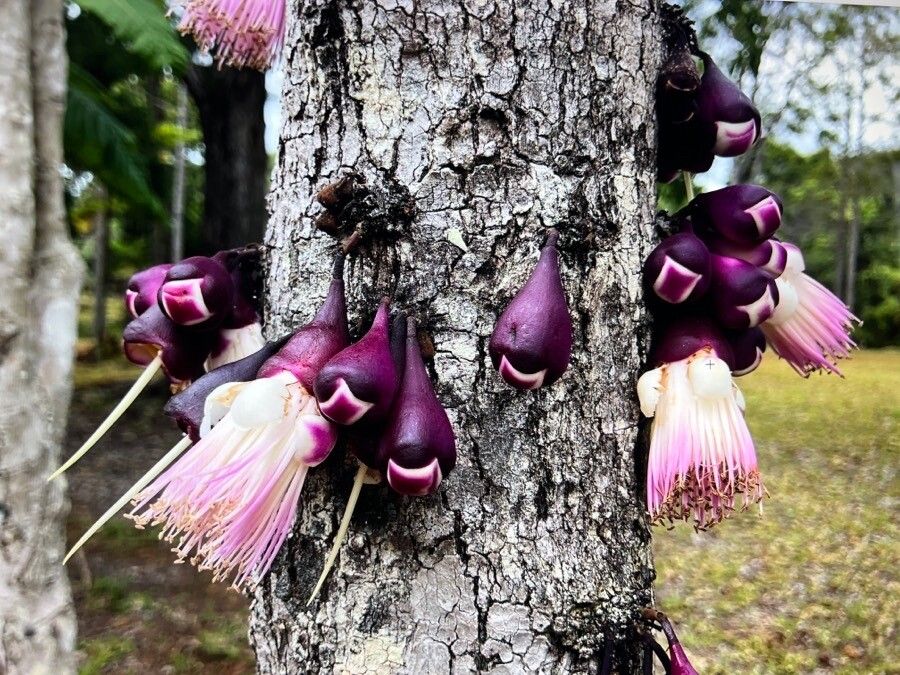
Hello fellow plant lovers!
Today, we’re diving into the delightful world of propagating Syzygium acre. If you’re drawn to its glossy, lush foliage and its potential to become a magnificent specimen, you’re in for a treat. There’s a special kind of joy in nurturing a brand new plant from a tiny piece of its parent, and Syzygium acre is a wonderful plant to practice this skill on. While it’s not the absolute easiest plant for a complete beginner, with a little guidance, you’ll find propagating it to be quite achievable and incredibly rewarding.
The Best Time to Start
For Syzygium acre, the sweet spot for propagation is during its active growing season. This usually means late spring through to early summer. You’ll have the most success when the plant is putting out plenty of fresh growth. Avoid trying to take cuttings when the plant is stressed, dormant, or has just finished flowering. That vigorous new growth holds all the energy we need for rooting!
Supplies You’ll Need
Here’s what you should gather before you get started:
- Sharp, clean pruning shears or a sharp knife: Essential for making clean cuts.
- Rooting hormone (optional but recommended): Helps kickstart root development. Look for one specifically for softwood or semi-hardwood cuttings.
- Well-draining potting mix: A seed-starting mix or a custom blend of equal parts perlite, coco coir, and a bit of compost works beautifully.
- Small pots or trays: Clean containers with drainage holes are a must.
- Plastic bag or propagator lid: To create a humid environment.
- Watering can with a fine rose or a spray bottle: For gentle watering.
- Sterilizing solution (like rubbing alcohol): To clean your tools between cuts.
Propagation Methods
Let’s get our hands dirty! The most reliable method for Syzygium acre is through stem cuttings.
- Select Your Cuttings: Look for healthy, non-flowering stems that are about 4-6 inches long. Ideally, these will be semi-hardwood cuttings – stems that are firm but still have a bit of flexibility. You want to see a few sets of leaves.
- Make the Cut: Using your sterilized shears or knife, make a clean cut just below a leaf node. This is where roots are most likely to form.
- Prepare the Cutting: Gently remove the lower leaves, leaving about two to three sets of leaves at the top. If the remaining leaves are very large, you can cut them in half horizontally to reduce water loss.
- Apply Rooting Hormone (Optional): Dip the cut end of the stem into your rooting hormone powder or gel. Tap off any excess.
- Potting Up: Fill your clean pots or trays with your well-draining potting mix. Make a small hole in the center of the mix with a pencil or your finger.
- Insert the Cutting: Gently insert the prepared stem into the hole, ensuring the leaf nodes that were below are now covered by the soil. Firm the soil gently around the base of the cutting.
- Water Gently: Water the soil thoroughly until it’s evenly moist but not waterlogged.
The “Secret Sauce” (Pro Tips)
Here are a couple of things I’ve learned over the years that really make a difference:
- My absolute favorite trick is to use bottom heat. You can do this with a specialized heat mat designed for seedlings, or even by placing your pots on top of a gently warmed router or a spot that gets consistent sun. This warmth encourages root development from below, giving your cuttings a real boost.
- When you cover your cuttings with a plastic bag or propagator lid, make sure the leaves aren’t touching the sides of the plastic. If they are, they can get a bit too much moisture and are more prone to fungal issues. I often prop up the plastic with small stakes or twigs to keep everything airy and dry on the leaves.
Aftercare & Troubleshooting
Once your cuttings are in their pots, place them in a location that receives bright, indirect light. Avoid direct sun, as it can scorch the tender cuttings. Keep the soil consistently moist, but never soggy. You’ll want to mist the leaves occasionally too, especially if you’re not using a propagator lid.
You’ll know your cuttings have rooted when you gentle tug on them and feel resistance, or when you see new leaf growth. This can take anywhere from 4 to 8 weeks, so patience is key!
The most common problem you might encounter is rot. This usually happens if the soil is kept too wet or if there’s not enough air circulation. If you see a cutting turning black or mushy at the base, unfortunately, it’s likely lost. Remove it immediately to prevent it from affecting other cuttings.
A Encouraging Closing
Propagating Syzygium acre is a beautiful way to multiply your enjoyment of this plant. Don’t be discouraged if a few don’t make it; it’s all part of the learning process. Celebrate every success, sit back, and watch your new little green friends grow. Happy propagating!
Resource: