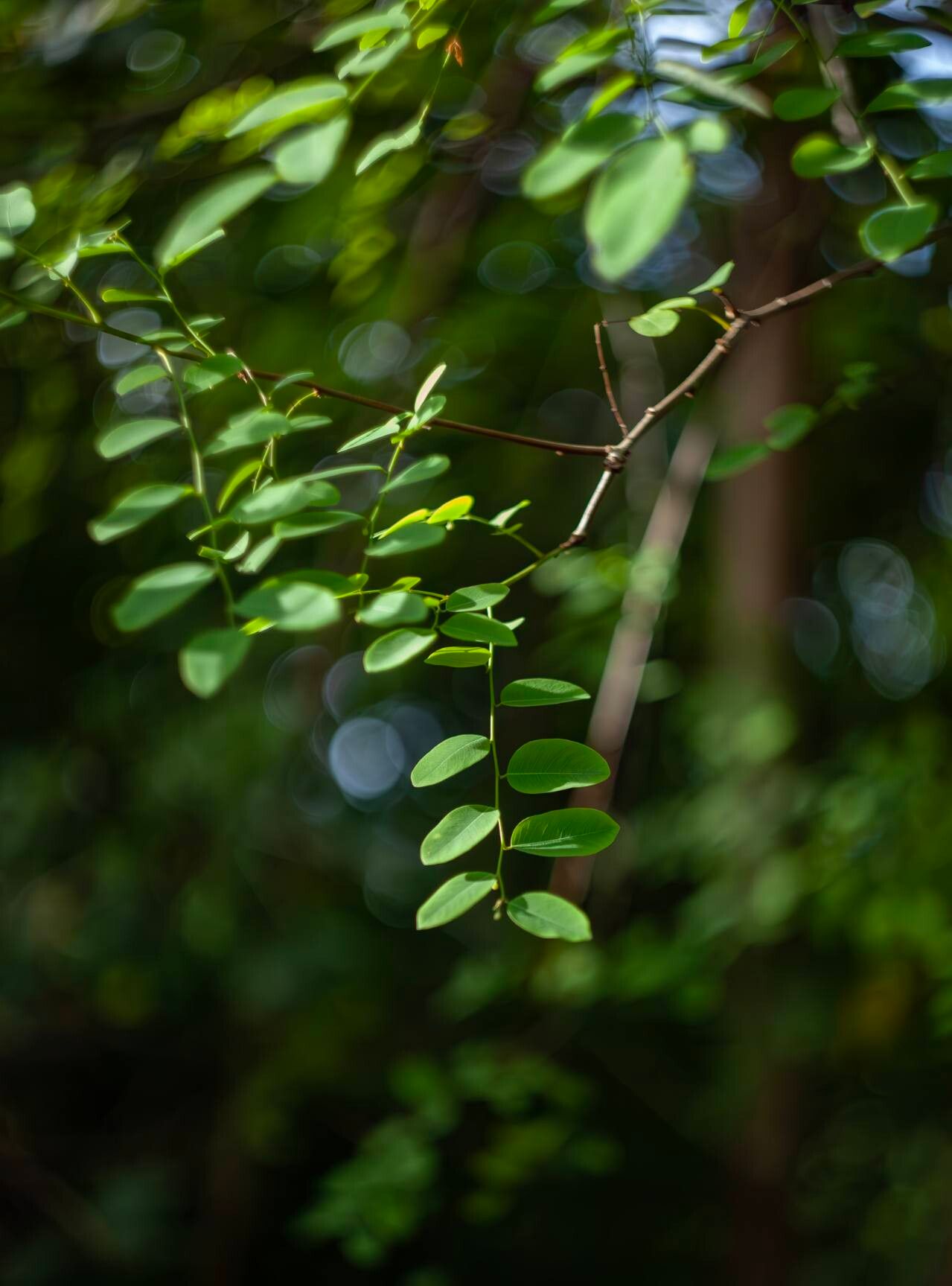
Hello, fellow plant lovers! Today, we’re diving into the wonderfully rewarding world of propagating Synostemon glaucus. If you’ve ever admired this plant’s unique, almost sculptural form and its lovely powdery blue foliage, you’re in for a treat. Growing by multiplies is such a satisfying way to get more of these beauties for yourself, or even to share with friends. Some folks might tell you this one can be a little finicky, but I’ve found with a few simple tricks, you can have great success, even if you’re just starting your propagation journey.
The Best Time to Start
Timing is everything in the garden, and when it comes to Synostemon glaucus, spring is your golden ticket. As the weather warms up and the plant enters its active growing season, it’s much more receptive to taking root. Look for new, vigorous growth; this is the prime material for your propagation efforts. Trying to do this when the plant is dormant or stressed just won’t yield the same results.
Supplies You’ll Need
Before we get our hands dirty, let’s gather our tools:
- Sharp pruning shears or a clean, sharp knife: For taking your cuttings. Sterilize them between cuts to prevent disease.
- Rooting hormone (optional, but recommended): A powder or gel that encourages root development.
- Well-draining potting mix: I like a blend of coarse perlite, peat moss, and a little coco coir. You want it to dry out fairly quickly.
- Small pots or trays: About 3-4 inches in diameter works well. Make sure they have drainage holes!
- Clear plastic bags or a propagator: To create a humid environment for your cuttings.
- Watering can with a fine rose: For gentle watering.
- Optional: Heat mat: For providing consistent bottom warmth.
Propagation Methods
Let’s get down to business! We’ll explore a couple of tried-and-true methods.
1. Stem Cuttings: The Most Common Approach
This is my go-to for Synostemon glaucus.
- Select your material: Find a healthy stem on your mature plant. Look for a section of new growth that is firm but not woody. About 4-6 inches long is a good size.
- Make the cut: Using your sterilized shears or knife, make a clean cut just below a leaf node (where a leaf attaches to the stem). This is where roots are most likely to form.
- Prepare the cutting: Gently remove the lower leaves from the cutting, leaving just a few at the top. If the leaves are very large, you can even cut them in half to reduce water loss.
- Apply rooting hormone (if using): Dip the cut end of the stem into your rooting hormone, tapping off any excess.
- Plant your cutting: Make a small hole in your prepared potting mix with a pencil or your finger. Gently insert the cutting into the hole, ensuring the nodes are buried. Firm the soil around the base.
- Water gently: Water the soil thoroughly but avoid waterlogging.
2. Water Propagation: A Visual Treat
This method is great for watching the roots develop!
- Take your cutting: Follow the same steps as above for selecting and cutting your stem. Remove the lower leaves.
- Place in water: Fill a small jar or glass with clean water. Submerge the cut end of the stem, making sure no leaves are in the water. Leaves sitting in water will rot and can harm your cutting.
- Change water regularly: Over the next few weeks, you’ll see little white nubs emerge, which will grow into roots. Change the water every few days to keep it fresh and prevent bacterial growth.
- Potting up: Once the roots are about an inch long, you can carefully transplant your cutting into well-draining potting mix.
The “Secret Sauce” (Pro Tips)
Here are a few things I’ve learned over the years that really make a difference:
- Don’t crowd your cuttings: Give them a little breathing room! Overcrowding can lead to fungal issues and reduce air circulation, which is crucial for root development.
- Humidity is your friend: After planting your stem cuttings, tent a clear plastic bag loosely over the pot, or place it in a propagator. This creates a mini-greenhouse effect, keeping the humidity high and preventing the cuttings from drying out. Be sure to open the bag for a few minutes each day to let in fresh air.
- Bottom heat is a game-changer: If you have the space, placing your pots on a gentle heat mat can significantly speed up root formation. It mimics the warmth of spring soil and gives your cuttings that extra boost they need to get going.
Aftercare & Troubleshooting
Once you see new growth or feel a slight tug when gently pulling on your cutting (a sign of roots!), it’s time to adjust care.
- Gradually reduce humidity: If you used a plastic bag, slowly acclimate your new plants to drier air by opening the bag more each day over a week.
- Water consistently: Keep the soil moist but not soggy. Allow the top inch of soil to dry out between waterings.
- Bright, indirect light: Place your success story in a spot with bright, indirect sunlight. Avoid direct, scorching sun while they are still establishing.
Troubleshooting: The most common issue is rot. If your cutting looks mushy or black at the base, it’s likely rotted. This is often due to overwatering, poor drainage, or lack of air circulation. If you catch it early, you might be able to salvage a healthy section for another try. Wilting can also happen if the cutting is drying out too quickly, so ensure that humidity is maintained.
A Encouraging Closing
Propagating Synostemon glaucus is a journey, and like all good things in the garden, it takes a little patience. Don’t be discouraged if your first attempt isn’t a complete success. Learn from it, try again, and soon you’ll be marveling at your own little jungle of these gorgeous plants. Enjoy the process, and happy propagating!
Resource:
https://identify.plantnet.org/k-world-flora/species/Synostemon%20glaucus%20F.Muell./data