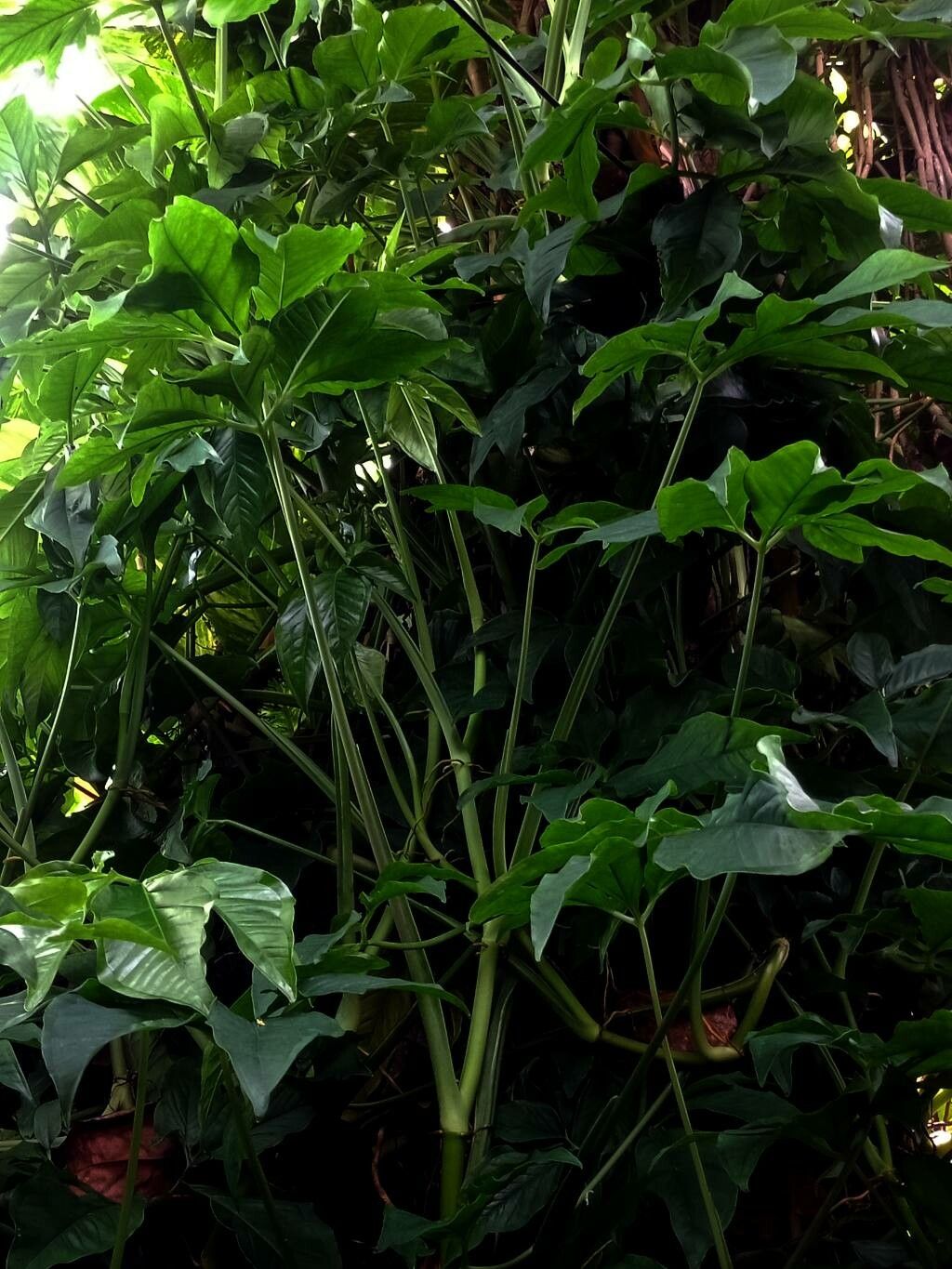
Hey there, fellow plant lovers! It’s so good to connect with you again. Today, we’re diving into something truly delightful: propagating Syngonium auritum. If you’ve ever marveled at the arrowhead-shaped leaves of this plant, often with beautiful variegation or lovely deep green hues, you’ll know why it’s a favorite for many of us. And the best part? Sharing that beauty by creating new plants is surprisingly accessible.
This plant is a fantastic choice for beginners looking to expand their indoor jungle. It’s practically begging you to try propagating it, and its willingness to root makes it a truly rewarding experience. You’ll get that thrill of seeing tiny roots emerge, knowing you’ve helped a new life begin.
The Best Time to Start
When should you get your hands dirty? For Syngonium auritum, the absolute sweet spot is during its active growing season. Think late spring and summer. This is when the plant is bursting with energy, putting out new growth and soaking up all that lovely sunlight. Starting a cutting now means it has the best chance to establish itself quickly and healthily. You can certainly try at other times, but you might find the rooting process takes a bit longer.
Supplies You’ll Need
Gathering your materials beforehand makes the whole process smooth sailing. Here’s what I always have on hand:
- Sharp Pruning Shears or a Clean Knife: For making clean cuts.
- A Small Pot or Container: For planting your cuttings.
- Well-Draining Potting Mix: A standard houseplant mix is fine, but I like to add extra perlite or orchid bark to ensure good aeration.
- Rooting Hormone (Optional but Recommended): A powder or gel that stimulates root growth.
- Water: For water propagation or for moistening your soil.
- Clear Plastic Bag or Dome: To create a humid environment for cuttings.
- Small Pebbles or Perlite (for water propagation): To help support the cutting.
Propagation Methods: Getting Those New Plants Started!
Syngonium auritum is wonderfully versatile. I find two methods particularly effective and easy to manage.
1. Stem Cuttings (My Go-To!)
This is my absolute favorite because it’s so straightforward and yields great results.
- Find a Healthy Stem: Look for a mature stem on your Syngonium that has at least two or three nodes. Nodes are those little bumps on the stem where leaves emerge. They are the magic spots where roots will form.
- Make the Cut: Using your clean shears or knife, make a cut about half an inch below a node. A clean cut is crucial to prevent rot.
- Prepare the Cutting: Gently remove the lower leaves from the stem, leaving just the top one or two. This prevents them from rotting in the soil or water.
- Apply Rooting Hormone (Optional): If you’re using rooting hormone, dip the cut end into the powder or gel. Tap off any excess.
- Planting Time: Fill your small pot with your well-draining potting mix. Make a small hole in the center with your finger or a pencil.
- Insert the Cutting: Gently push the cut end of your Syngonium cutting into the hole, ensuring at least one node is buried beneath the soil surface. Firm the soil gently around the base.
- Water and Cover: Water the soil lightly until it’s evenly moist. Then, cover the pot loosely with a clear plastic bag or a propagation dome. This helps retain humidity, which is vital for new cuttings. You can use a chopstick or two to prop up the bag if needed.
2. Water Propagation
This method is so fascinating to watch as roots develop!
- Select and Cut: Follow steps 1-3 from the stem cutting method. Ensure you have at least one node attached.
- Find a Vessel: Choose a clear glass jar or vase. This allows you to see the roots forming, which is really motivating!
- Place the Cutting: Place the prepared stem cutting into the jar. You can add a few small pebbles or a bit of perlite to the bottom if you want some extra support to keep the cutting upright.
- Add Water: Fill the jar with clean room-temperature water. Make sure the nodes are submerged, but try to keep the leaves out of the water.
- Find a Cozy Spot: Place the jar in a bright location with indirect sunlight.
The “Secret Sauce” (Pro Tips!)
After all these years, I’ve picked up a few little tricks that make a big difference.
- Don’t Let the Leaves Touch the Water: Whether you’re doing stem cuttings in soil or water propagation, those lower leaves absolutely must not be submerged. They’ll just rot and potentially take the whole cutting down with them. Think of it as keeping the cutting’s “neck” clean and dry.
- Bottom Heat is Your Friend: If you’re having trouble getting cuttings to root, especially during cooler months, consider gentle bottom heat. A seedling heat mat can work wonders. It mimics the warmth of spring soil and really encourages root development. Just place your pot or jar on top of a low-heat setting. It’s not strictly necessary for Syngoniums, but it can speed things up considerably.
- Change Water Regularly: For water propagation, don’t just top it off. Completely change the water every 3-5 days. This keeps it fresh, prevents bacterial growth, and gives your cutting clean water to draw from.
Aftercare & Troubleshooting
Once those magical roots start to appear – hooray!
For Soil Cuttings: You’ll know your cutting has rooted when you see new growth emerging from the top. You can also give the cutting a very gentle tug; if there’s resistance, roots have formed. Once you see signs of roots or new growth, gradually acclimate it to normal room humidity by slowly opening up the plastic bag over a week or so. Continue to water when the top inch of soil feels dry.
For Water Cuttings: When your roots are a good inch or two long, it’s time to transplant them into soil. Use the same potting mix as described above. Be gentle with those delicate roots. Water thoroughly after planting and then follow the care instructions for soil cuttings.
Troubleshooting: The most common issue you’ll encounter is rot. If your stem looks mushy or black, or if your water cuttings start to smell bad and turn slimy, it’s usually a sign of too much moisture or bacteria. If it’s soil cuttings, let the soil dry out more between waterings and ensure good air circulation. For water cuttings, you might need to start over with a fresh, clean cut and a clean jar.
A Little Patience Goes A Long Way
Propagating plants is a journey, and like any good journey, it requires a little patience. Don’t get discouraged if your first attempt isn’t a roaring success. Every cutting teaches you something new. Celebrate the small wins – that first tiny white root, that unfurling new leaf. Enjoy the process of nurturing these new lives, and soon you’ll have a whole collection of beautiful Syngonium auritum to share and enjoy! Happy gardening!
Resource:
https://identify.plantnet.org/k-world-flora/species/Syngonium%20auritum%20(L.)%20Schott/data