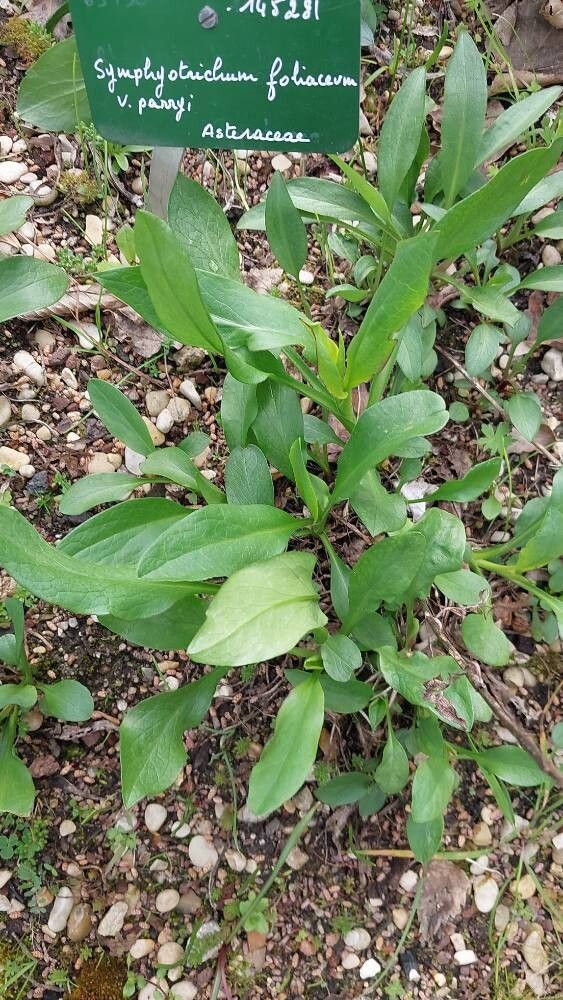
Oh, Symphyotrichum foliaceum! If you’re looking for a plant that brings a cheerful splash of late-season color and attracts pollinators by the dozen, you’ve found a winner. Its delicate, daisy-like flowers are such a joy in the garden, and there’s something incredibly satisfying about creating more of these beauties from your existing plants. Good news for you – propagating Symphyotrichum foliaceum, often called the Folio Aster, is generally quite forgiving, even for those just starting their propagation journey!
The Best Time to Start
For the absolute best success rate with Symphyotrichum foliaceum, I always recommend working with actively growing but not yet flowering stems. This typically falls in the late spring to early summer, usually May or June. You want to catch the plant at a stage where it’s putting on vigorous growth, which means it has plenty of stored energy to dedicate to rooting.
Supplies You’ll Need
Gathering your supplies beforehand makes the whole process so much smoother. For propagating your Folio Aster, you’ll want:
- Clean, sharp pruning shears or a sharp knife: Absolutely essential for making clean cuts.
- A good quality potting mix: I like to use a sterile, well-draining mix – a blend of peat moss, perlite, and a bit of compost works wonders. You can also use a specialized seed starting mix.
- Small pots or containers: Clean ones are key to preventing disease. Yogurt cups with drainage holes poked in the bottom work in a pinch!
- Optional: Rooting hormone: While not strictly necessary for Symphyotrichum foliaceum, it can give your cuttings a little extra boost. Look for one formulated for stem cuttings.
- Mister or spray bottle: For keeping your cuttings hydrated.
- Plastic bags or a clear plastic dome: To create a humid environment for your cuttings.
- Labels and a marker: You’ll want to remember what you’ve planted when!
Propagation Methods
The Folio Aster is a trooper and can be propagated in a couple of straightforward ways.
Stem Cuttings
This is my go-to method for Symphyotrichum foliaceum.
- Take your cuttings: On a bright, cool morning, look for healthy, non-flowering stems. You want pieces that are about 4-6 inches long. Make a clean cut just below a leaf node (where a leaf meets the stem).
- Prepare the cuttings: Remove the lower leaves from your cuttings, leaving just a few at the top. If you’re using rooting hormone, dip the cut end into it now, tapping off any excess.
- Pot them up: Fill your clean pots with your chosen potting mix. Make a small hole in the center of each pot with your finger or a pencil.
- Plant the cuttings: Gently insert the cut end of each stem into the hole, pushing it down so that at least one leaf node is buried in the soil. Firm the soil gently around the stem.
- Water and cover: Water the soil thoroughly but avoid soggy conditions. Then, cover the pots loosely with a plastic bag or a clear plastic dome. This creates a mini-greenhouse effect, keeping the humidity high.
Division
This is another excellent and very easy way to increase your Symphyotrichum foliaceum plants, especially in the fall or spring.
- Gently dig up the plant: In early spring just as new growth emerges, or in early fall after flowering has finished, carefully dig up your established Folio Aster. Try to disturb the roots as little as possible.
- Separate the clumps: You’ll often see that the plant has naturally formed several smaller crowns or clumps. Gently pull these apart with your hands. If they’re a bit stubborn, use a clean trowel or a sharp knife to divide them. Look for sections that have healthy roots and some signs of new shoots.
- Replant immediately: You can replant these divisions right back into your garden beds, spacing them appropriately, or pot them up into fresh soil to grow on. Water them in well.
The “Secret Sauce” (Pro Tips)
Here are a couple of little tricks I’ve learned over the years that really help get those cuttings going:
- Don’t let the leaves touch the water (if you try water prop): While stem cuttings can sometimes root in water, I find it’s a higher risk for rot with Symphyotrichum foliaceum. If you do try it, make sure the leaves are well above the water line. Submerged leaves will rot and can take the whole cutting down with them. Soil is generally a safer bet for this plant.
- Bottom heat is your friend: If you have a heat mat designed for propagation, placing your pots on top of it can significantly speed up the rooting process. It mimics the warmth of spring soil and encourages root development without cooking the foliage.
Aftercare & Troubleshooting
Once your cuttings are potted, place them in a bright, indirect light location. Avoid direct, hot sun, which can scorch them. Keep the soil consistently moist but not waterlogged. You can check the moisture by gently touching the surface of the soil. If it feels dry, it’s time to water. Periodically lift the plastic cover to allow for some air circulation and prevent mold.
You’ll know your cuttings have rooted when you see new growth appearing at the top, or when you gently tug on a stem and feel resistance. This usually takes 3-6 weeks. Once they have a good root system, you can gradually acclimatize them to drier air by opening the plastic cover a little more each day before removing it entirely. Then, you can transplant them into their own pots or into the garden.
The most common problem you might encounter is rot. This usually happens if the soil is too wet and there’s not enough air circulation. If you see stems turning mushy and black at the base, it’s a sign of rot, and unfortunately, that cutting is likely lost. Don’t be discouraged; just try again with fresh material and ensure your soil drains well.
A Encouraging Closing
Propagating Symphyotrichum foliaceum is a wonderfully rewarding process. It allows you to multiply your garden’s beauty and share it with friends. Be patient with your little green charges, keep a watchful eye, and most importantly, have fun with it! Happy propagating!
Resource: