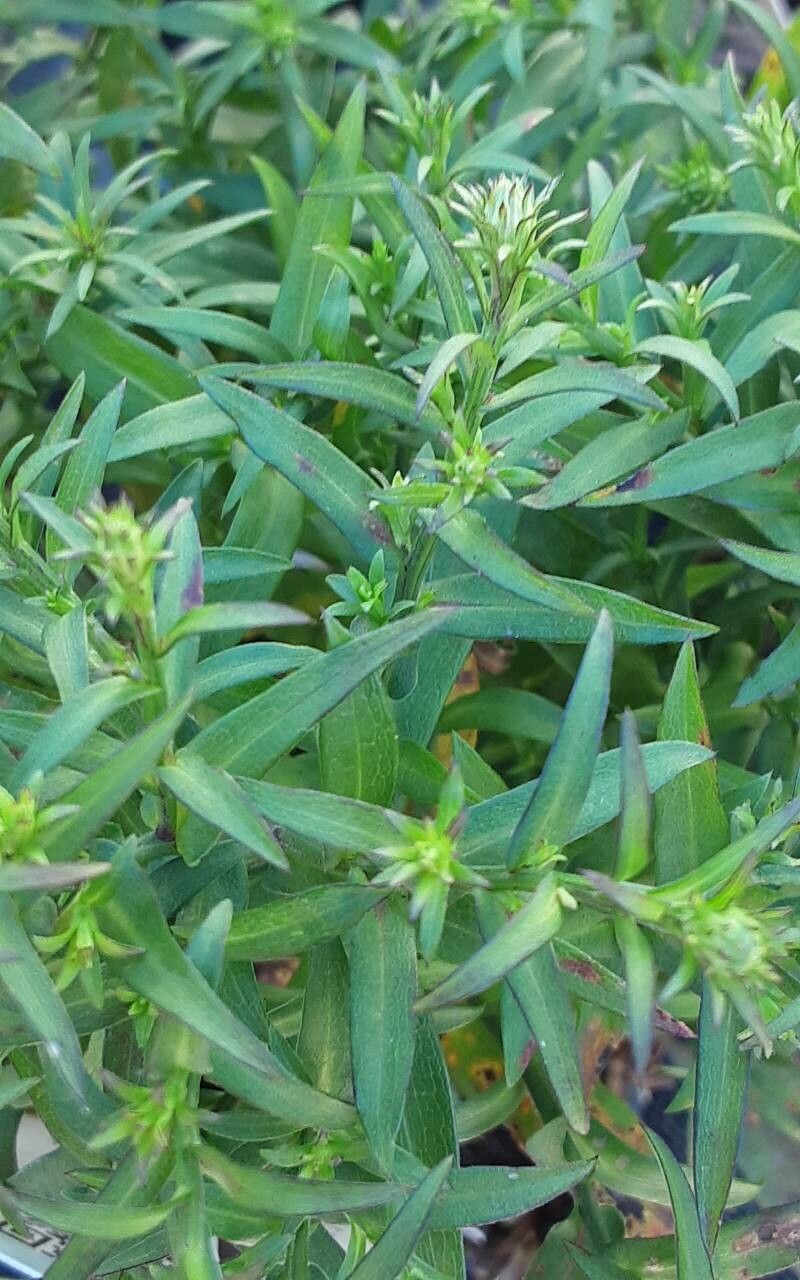
Hello, fellow garden enthusiasts! Today, we’re going to dive into the wonderful world of propagating Symphyotrichum drummondii, also known as Drummond’s Aster. I’ve been growing and sharing these lovelies for years, and I can tell you, they bring such a burst of late-season color to the garden. Seeing a tiny piece of a plant grow into a full, blooming beauty is one of the most satisfying things we gardeners get to do.
Now, if you’re new to the plant world, I’d say Symphyotrichum drummondii is a moderately easy plant to propagate. It’s not quite as foolproof as a spider plant, but with a little attention, you’ll be celebrating success in no time.
The Best Time to Start
My absolute favorite time to get started with propagating Drummond’s Aster is in late spring to early summer. This is when the plant is actively growing and has plenty of energy. You’ll be taking cuttings from nice, new growth that hasn’t flowered yet. Waiting until after the plant has finished blooming can also work for divisions, but for stem cuttings, the active growing season is key.
Supplies You’ll Need
- Sharp pruners or scissors: Cleanliness is crucial!
- Rooting hormone powder or gel: This isn’t strictly mandatory, but it really helps speed things up.
- Potting mix: A well-draining mix is essential. I like to use a blend of equal parts peat moss or coco coir, perlite, and a bit of compost.
- Small pots or trays: Clean them thoroughly before use.
- Plastic bags or a propagation dome: To maintain humidity.
- Watering can or spray bottle: For gentle watering.
Propagation Methods
Let’s get our hands dirty! Here are the methods I find work best for Drummond’s Aster.
Stem Cuttings
This is my go-to method for increasing my stock of these beauties.
- Take your cuttings: In late spring or early summer, look for healthy, non-flowering stems. Use your clean pruners to snip off stem tips that are about 4-6 inches long. Try to take them just below a leaf node (where a leaf attaches to the stem).
- Prepare the cuttings: Gently remove the lower leaves from the cutting, leaving just a few at the top. This prevents them from rotting in the soil. If you’re using smaller cuttings, you can even cut the remaining leaves in half to reduce water loss.
- Dip in rooting hormone: Moisten the cut end of the stem and dip it into your rooting hormone powder or gel. Tap off any excess.
- Plant your cuttings: Fill your small pots with your moistened potting mix. Make a hole with a pencil or your finger and insert the cutting, ensuring the leaf nodes that had leaves removed are buried in the soil. Gently firm the soil around the stem.
- Create humidity: Water the soil gently. Then, cover the pot with a clear plastic bag or a propagation dome. Prop the bag up so it doesn’t touch the leaves. Place the pots in a bright location but out of direct sunlight.
Division
This method is best done in the early spring as new growth begins to emerge or in the fall after the plant has finished blooming.
- Dig up the plant: Carefully dig around the base of the mature plant, loosening the soil. Gently lift the entire plant out of the ground.
- Separate the clumps: Look for natural divisions in the root ball. You can often gently pull apart sections with your hands. If the roots are really tough, use a clean trowel or a fork to help separate them.
- Replant immediately: As soon as you have your divisions, replant them in well-prepared soil, watering them in well.
The “Secret Sauce” (Pro Tips)
Alright, here are a few things I’ve learned over the years that can really boost your success.
- Bottom heat is your friend: For stem cuttings, placing your pots on a gentle heat mat can significantly encourage root development. It mimics the warmth of summer soil and tells those little roots, “Hey, it’s time to grow!”
- Don’t let leaves touch the water: If you’re attempting water propagation for any reason (though I generally prefer soil for asters), make sure no leaves are submerged. Any part of the stem not submerged can potentially rot.
- Start with healthy parent plants: This might seem obvious, but the health of your mother plant directly impacts the success of your propagation. Choose vigorous, disease-free specimens to take cuttings or divisions from.
Aftercare & Troubleshooting
Once your cuttings have rooted (you’ll see new leaf growth and feel some resistance when you gently tug), it’s time to transplant them into their own small pots if they weren’t already there. Continue to keep them consistently moist but not waterlogged. As they grow, you can gradually acclimate them to more light.
The most common issue you might encounter is rot. If your cuttings are mushy or black at the base, they’ve likely rotted. This is usually due to too much moisture and not enough air circulation. Discard any rotted cuttings and try again, paying closer attention to drainage and humidity. If your cuttings simply fail to root and look dried out, they might not have gotten enough humidity or were just not viable.
A Little Patience Goes a Long Way
Propagating plants is a journey, not a race. There will be times when things don’t work out as planned, and that’s perfectly okay. Celebrate your successes, learn from your challenges, and most importantly, enjoy the process of nurturing new life. Happy gardening!
Resource: