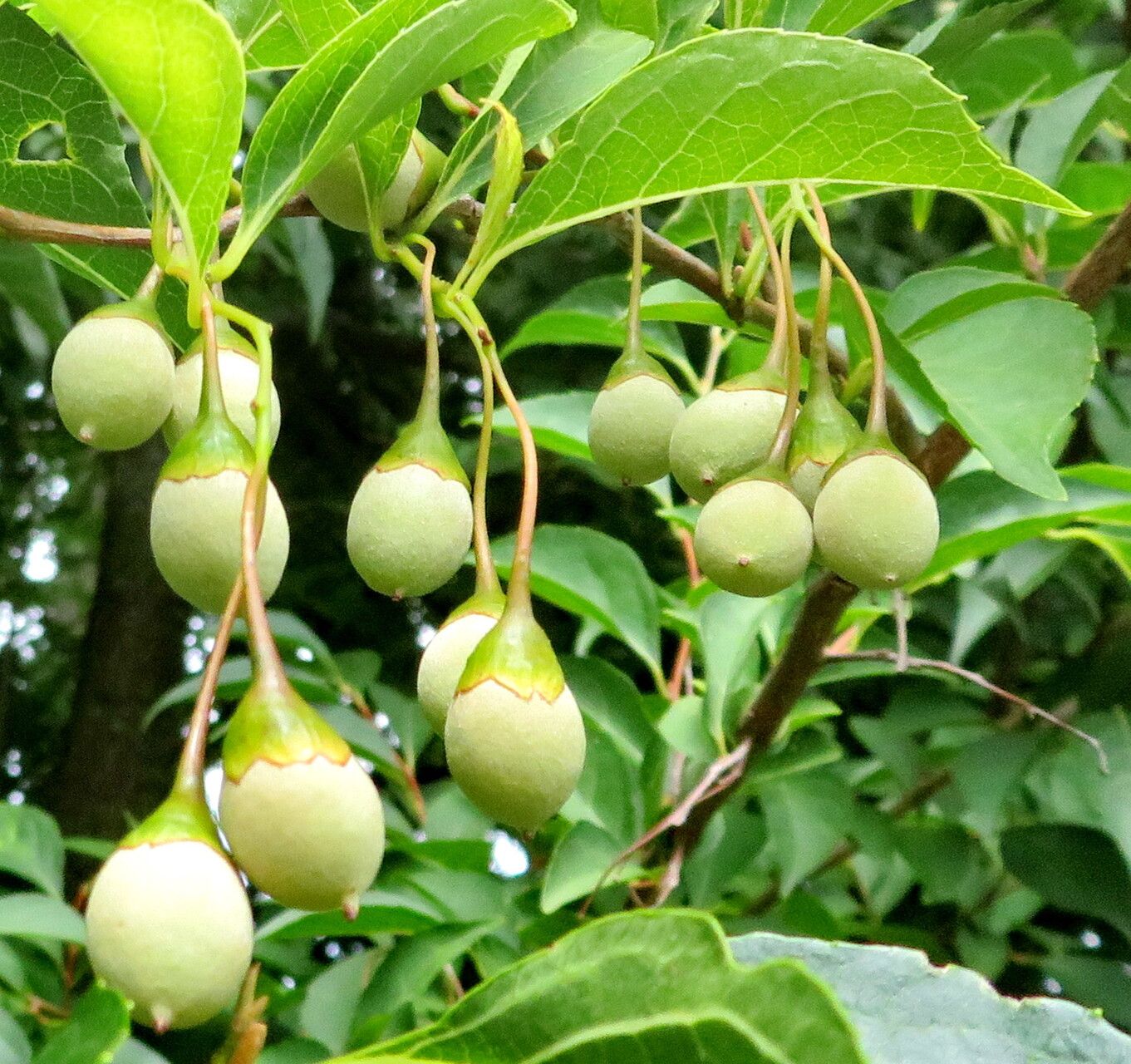
Hello fellow garden lovers! Today, we’re going to talk about one of my absolute favorite trees: Styrax japonicus, or the Japanese Snowbell. If you’ve ever seen one, you know why. Those delicate, white, bell-shaped flowers that cascade down its branches in late spring or early summer? Pure magic. And bringing that magic into your own garden by propagating it yourself? It feels like unlocking a special kind of horticultural superpower.
Now, I won’t lie to you. Styrax japonicus can be a little particular about how it likes to be multiplied. It’s not quite as straightforward as, say, a pothos plant. But trust me, with a little patience and the right approach, it’s absolutely achievable, and oh-so-worth-it.
The Best Time to Start
My golden rule for propagating most woody plants, including our Japanese Snowbell, is to strike stem cuttings in early summer. Think late June or July, when the new growth has hardened up a little bit, but it’s still quite vigorous. You want what we call “semi-hardwood” cuttings – they’ll snap cleanly if you try to bend them, but they aren’t woody like an old twig. This stage gives them the best balance of flexibility and resilience for rooting.
Supplies You’ll Need
Here’s what you should gather before you get your hands dirty:
- Sharp, clean pruning shears or a sharp knife: Essential for making clean cuts.
- Rooting hormone powder or gel: Look for one formulated for woody cuttings.
- A well-draining potting mix: I like a blend of peat moss, perlite, and a bit of coarse sand. You can also buy specialized seed starting or cutting mixes.
- Small pots or propagation trays: Cleaned thoroughly, of course.
- A plastic bag or propagation dome: To create a humid environment.
- A spray bottle: For misting.
- Labels: To remember what you planted and when!
Propagation Methods: Stem Cuttings
This is the most reliable way to get more Japanese Snowbells from an established plant.
- Select your stems: On a healthy, mature Styrax japonicus tree, find some good, strong stems that are about pencil-thick and have that semi-hardwood quality.
- Take your cuttings: Using your clean shears, take cuttings that are about 6-8 inches long. Make your bottom cut just below a leaf node (where a leaf attaches to the stem). The top cut should be just above a leaf node.
- Prepare the cuttings: Gently remove the lower leaves, leaving just a few at the top. This prevents them from rotting in the soil. If the remaining leaves are very large, you can even cut them in half to reduce water loss.
- Apply rooting hormone: Dip the cut end of each cutting into your rooting hormone, tapping off any excess.
- Pot them up: Make a hole in your potting mix with a pencil or your finger. Insert the treated end of the cutting into the hole, about an inch or so deep. Gently firm the soil around the base to ensure good contact.
- Water gently: Water the pots thoroughly but gently, so you don’t dislodge the cuttings.
- Create humidity: Place the potted cuttings inside a clear plastic bag, sealing it loosely with a twist tie, or cover them with a propagation dome. This creates a mini greenhouse effect.
- Provide light and warmth: Place the pots in a bright location but out of direct, hot sunlight. A north-facing window or a spot under grow lights is ideal.
The “Secret Sauce” (Pro Tips)
Here are a few tricks I’ve learned over the years that can really boost your success:
- Don’t let the leaves touch the water… or the bag! Once you’ve prepared your cuttings and placed them in their humid environment, make sure the remaining leaves aren’t sitting in any pooled water at the bottom of the pot or pressed against the plastic bag. This moisture encourages rot, which is the enemy of rooting. If needed, prop up the plastic bag with a few skewers.
- Bottom heat is your friend. Many woody cuttings, especially those that are a bit slower to root, benefit immensely from a little warmth from below. A heating mat designed for seed starting can significantly speed up the rooting process and improve your odds. Just place your pots on top of it.
- Patience with pruning shears. When taking your cuttings, resist the urge to yank or tear the stem. A clean, decisive cut with sharp pruners is crucial. It seals the wound better and reduces stress on the plant, giving your cutting a better start.
Aftercare & Troubleshooting
Once you’ve got your cuttings potted up, don’t forget about them! Mist them with water every few days, especially if you’re not using a fully sealed dome. You want the soil to stay consistently moist but not waterlogged.
Keep an eye out for signs of life. You’ll know your cuttings are rooting when you start to see new leaf growth appearing from the top nodes. This usually takes anywhere from 4 to 8 weeks, sometimes longer. Gently tug on a cutting; if there’s resistance, roots are forming!
The most common problem you’ll encounter is rot. If you see stems turning black and mushy, it’s usually a sign of overwatering or too much humidity without enough air circulation. If you spot this, try pulling the affected cutting out, trimming away the rotten parts, and repotting in fresh, slightly less moist mix. Good drainage is key here!
A Encouraging Closing
Watching those tiny roots emerge and grow is one of the most rewarding parts of gardening. It’s a tangible connection to the cycle of life in your own backyard. Don’t get discouraged if your first attempts aren’t perfect. Every gardener has had failures – it’s all part of the learning process. Just keep trying, observe your plants, and enjoy the journey of coaxing new life from your beloved Japanese Snowbell. Happy propagating!
Resource:
https://identify.plantnet.org/k-world-flora/species/Styrax%20japonicus%20Siebold%20&%20Zucc./data