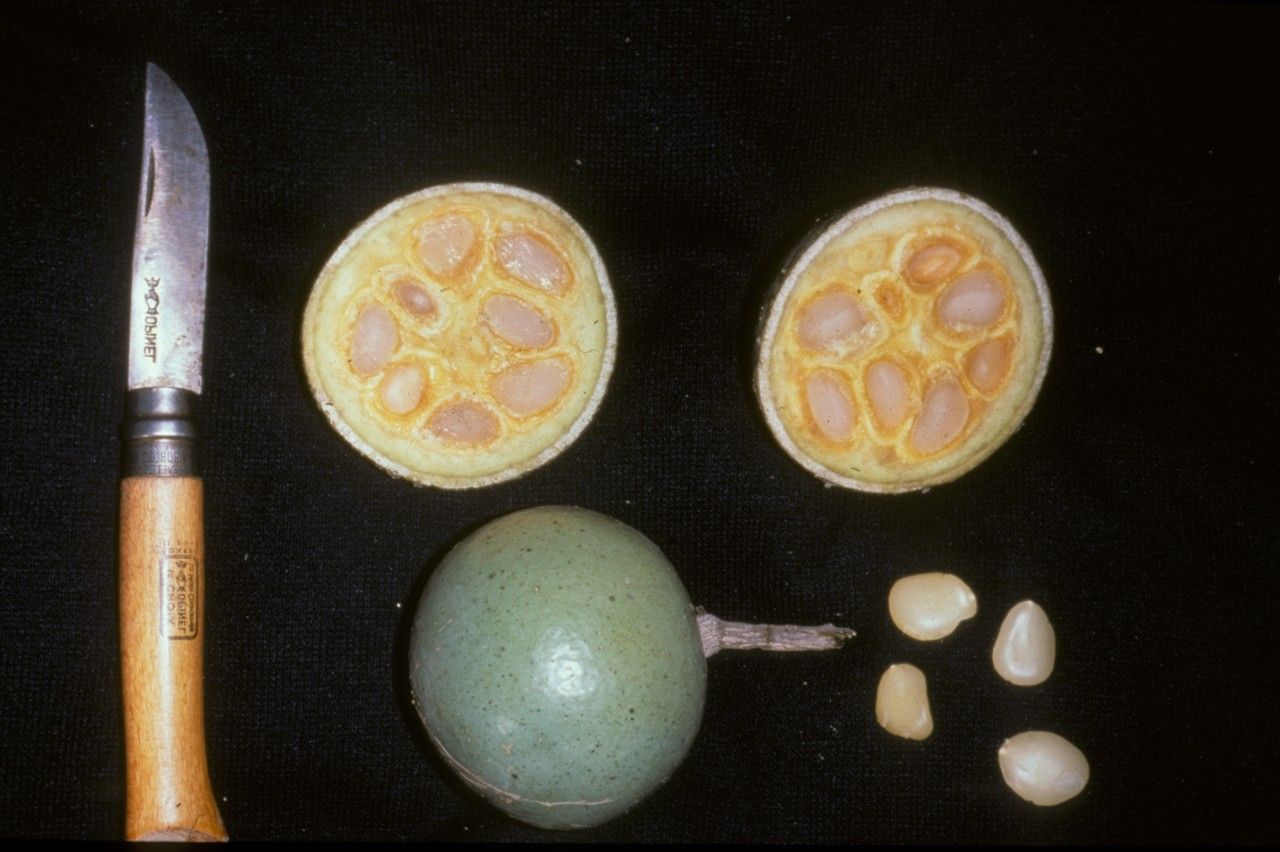
Hello fellow garden enthusiasts! Today, we’re diving into the wonderful world of propagating Strychnos madagascariensis, also known charmingly as the Monkey Orange or Natal Orange. If you’re captivated by its glossy leaves and the promise of unique, albeit medicinal, fruit, then you’re in for a treat. Getting more of these beauties from a single plant is incredibly rewarding. Now, I won’t lie to you upfront – Strychnos madagascariensis can be a bit of a trickster to propagate, especially for complete beginners. But with a little care and the right approach, you can absolutely succeed!
The Best Time to Start
The sweet spot for propagating Strychnos madagascariensis is generally during its active growing season, which typically falls in late spring to early summer. This is when the plant has ample energy to invest in new growth, making it more receptive to the propagation process. You’ll want to look for healthy, semi-hardwood cuttings. These are stems that are no longer brand new and soft, but also not fully woody and mature. They’ll have a bit of flexibility.
Supplies You’ll Need
Before we get our hands dirty, let’s gather our essentials:
- Sharp, clean pruning shears or a sharp knife: For making clean cuts.
- Rooting hormone powder or gel: This significantly boosts your chances of success.
- A well-draining potting mix: I like a blend of perlite, coco coir, and a bit of coarse sand. Sterilizing your mix can help prevent fungal issues.
- Small pots or trays with drainage holes: For your cuttings to root in.
- A clear plastic bag or a propagator: To create a humid environment.
- Water: For misting and watering.
- Bottom heat (optional but highly recommended): A seedling heat mat can work wonders.
Propagation Methods
Let’s explore how to get those new Monkey Orange plants started.
Stem Cuttings
This is my go-to method for Strychnos madagascariensis.
- Take your cuttings: Select healthy stems that are about 4-6 inches long. Make your cut just below a leaf node – that small bump on the stem where a leaf grows. Aim to take several cuttings; not all of them may take, and that’s perfectly normal.
- Prepare the cuttings: Gently remove the lower leaves, leaving just a couple at the very top. If you’re working with larger leaves, you can even cut them in half to reduce water loss.
- Apply rooting hormone: Dip the cut end of each cutting into your rooting hormone, ensuring it’s well-coated. Tap off any excess.
- Plant the cuttings: Make a hole in your prepared potting mix with a pencil or your finger. Insert the treated end of the cutting into the hole and gently firm the soil around it.
- Create humidity: Water the potting mix lightly and then cover the pots with a clear plastic bag or pop them into a propagator. You want to create a mini greenhouse effect. Make sure the leaves don’t touch the plastic bag.
- Provide warmth and light: Place the pots in a bright spot, but out of direct, hot sunlight. This is where bottom heat can be a game-changer, keeping the soil consistently warm.
The “Secret Sauce” (Pro Tips)
Here are a few tricks I’ve learned over the years that really make a difference:
- Sterilize everything! Before you start, wipe down your shears, pots, and anything else that will come into contact with your cuttings. This is your first line of defense against those nasty fungal diseases that love to take hold in damp environments.
- Don’t be afraid of leaf reduction: As I mentioned, reducing leaf surface area is crucial. If your leaves are big and broad, don’t hesitate to cut them in half across the middle. It might look a bit strange initially, but it dramatically reduces transpiration and helps the cutting conserve precious moisture while it’s trying to root.
- Bottom heat is your best friend for stubborn ones: For Strychnos madagascariensis, a consistent soil temperature of around 70-80°F (21-27°C) really encourages root development. A seedling heat mat provides this without drying out the surface of the soil, which is a delicate balance to strike.
Aftercare & Troubleshooting
Once your cuttings have started to root – which could take anywhere from 4 to 12 weeks, so be patient! – it’s time to transition them to slightly less humid conditions.
- Acclimatize slowly: Gradually remove the plastic bag for longer periods each day over a week or two. This helps the new plant adapt to the drier air.
- Watering: Keep the soil consistently moist but not waterlogged. You’ll know it’s time to water when the top inch of soil feels dry.
- Signs of trouble: The most common issue is rot. If you see your cuttings turning black and mushy, it’s usually a sign of overwatering or poor air circulation. Unfortunately, once rot sets in, it’s very hard to save a cutting. Another sign of failure is if the leaves wilt and dry out completely despite your efforts to keep things humid – this suggests it wasn’t able to establish roots.
A Gentle Encouragement
Propagating any plant is a journey. There will be successes, and there will be learning opportunities. Don’t get discouraged if your first attempts don’t yield a forest of new Monkey Oranges. Each cutting you try teaches you something new about your plant and your environment. Take a deep breath, enjoy the process of nurturing these little lives, and celebrate every tiny root you find. Happy growing!
Resource:
https://identify.plantnet.org/k-world-flora/species/Strychnos%20madagascariensis%20Poir./data