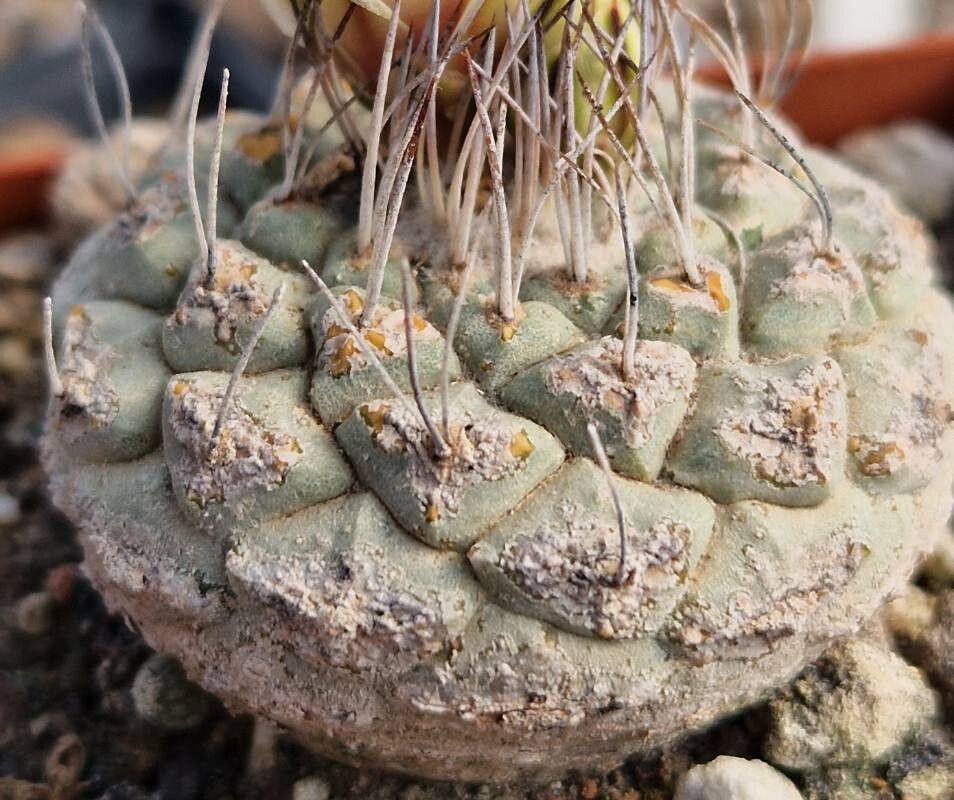
Oh, hello there! Come on in, grab a mug, and let’s chat about one of my absolute favorite cacti: the Strombocactus disciformis. If you’ve ever seen these beauties, you know why they’re so special. With their wonderfully textured, disc-like bodies and those intricate tubercles, they look like miniature geological wonders. Propagating them is such a rewarding journey, watching a tiny piece of this remarkable plant flourish into its own little world. Now, I’ll be honest – Strombocactus disciformis isn’t always the easiest for absolute beginners, but with a little care and my guidance, you’ll be well on your way to success!
The Best Time to Start
Timing really is everything with plants, and for Strombocactus disciformis, you want to work with its natural rhythms. The absolute best time to propagate is during its active growing season. For most cacti like this, that means from late spring through early summer. This is when the plant is full of energy, ready to heal and grow. Trying to propagate when it’s resting in winter or autumn is just asking for disappointment.
Supplies You’ll Need
Gathering your tools beforehand makes the whole process so much smoother. Here’s what you’ll want to have on hand:
- Well-draining cactus and succulent soil mix: You can buy a commercial one or make your own by mixing equal parts potting soil, perlite, and coarse sand.
- Sharp, sterilized pruning shears or a clean knife: For making clean cuts. A quick dip in rubbing alcohol will do the trick!
- Rooting hormone powder (optional but recommended): This gives your cuttings a little boost.
- Clean pots or trays: Make sure they have drainage holes! Small terracotta pots are lovely.
- Gravel or small stones: For top dressing, which helps with drainage and support.
- A fine misting spray bottle: For gentle watering.
Propagation Methods
Strombocactus disciformis is most successfully propagated from offsets or pups. These are those little baby plants that sometimes emerge from the base of the mother plant.
Propagating by Offsets (Pups):
- Locate the offsets: Look around the base of your mature Strombocactus disciformis. You’ll often see small, button-like growths.
- Gently detach the offset: Using your sterilized knife or shears, carefully make a clean cut to separate the offset from the parent plant. Try to get a little bit of the parent’s stem or base attached to the offset if possible.
- Allow to callous: This is CRUCIAL. Place the offset in a dry, well-ventilated spot away from direct sunlight for 3-7 days. You want the cut surface to dry out and form a protective callous. This prevents rot.
- Plant the offset: Once calloused, lightly dust the cut end with rooting hormone if you’re using it. Then, press the calloused end into your prepared cactus soil mix. Don’t bury it too deep; just enough to stand upright.
- Initial watering: Wait at least a week after planting before you water. This gives the offset a chance to settle and any microscopic wounds to heal. Then, water lightly with your misting bottle. You’re aiming for just barely moist soil.
The “Secret Sauce” (Pro Tips)
Here are a few little tricks I’ve learned over the years that can really make a difference:
- Patience with the parent: When you’re removing an offset, be gentle with the mother plant. You don’t want to damage it. Sometimes, gently wiggling the offset can help it break away cleaner.
- Think “dry, dry, dry”: Cacti hate soggy feet. After the initial waiting period for callousing, and even for the first few weeks of the offset’s life, err on the side of underwatering. It’s much easier to revive a slightly dry plant than one suffering from root rot.
- A touch of warmth: While not strictly necessary for offsets (they’re pretty resilient), if you find your cuttings struggling, a bit of bottom heat from a propagation mat can speed up root development. Just a gentle warmth, nothing too hot!
Aftercare & Troubleshooting
Once your offset has developed roots (you might see new growth or feel a slight resistance when gently tugging), you can begin to increase watering slightly. Water when the soil is completely dry, and still use that misting bottle for a gentle shower. Gradually transition to watering as you would your mature Strombocactus.
The main thing to watch out for is rot. If your offset turns mushy, discolored (often black or dark brown), or starts to shrivel from the base upwards, it’s likely rot. This is usually due to overwatering or insufficient callousing. If you catch it early, you might be able to cut away the rotted part and try to callous and replant the healthy section, but sadly, it’s often a lost cause. Don’t beat yourself up; it happens to the best of us!
A Little Encouragement
Propagating any plant takes a bit of patience, and Strombocactus disciformis is no exception. Don’t get discouraged if your first attempt isn’t perfect. Enjoy the process of learning and observing. That tiny offset slowly growing into its own impressive specimen is a truly wonderful thing to witness. Happy gardening!
Resource: