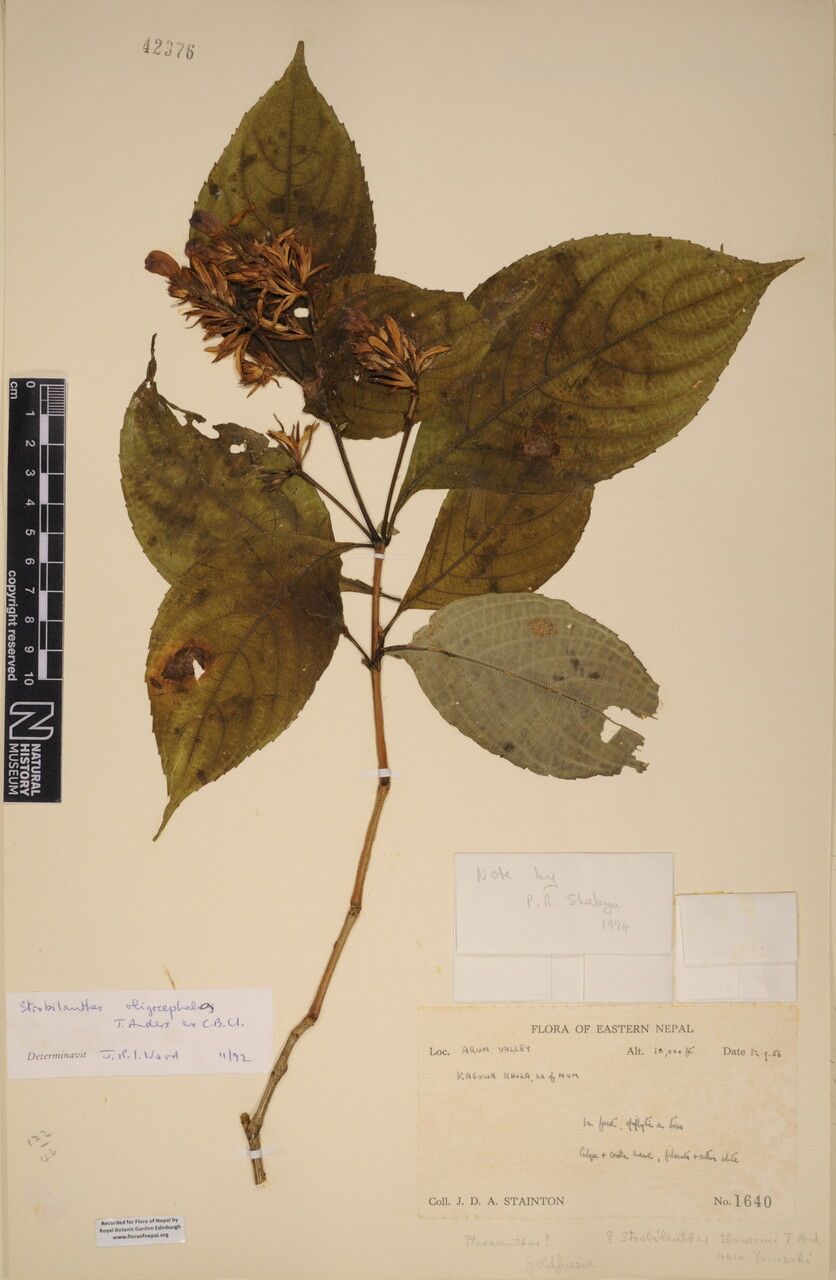
Oh, hello there, fellow plant enthusiast! Grab a mug of your favorite brew, and let’s chat about a truly special plant: Strobilanthes oligocephala. If you’ve ever seen this beauty in person, you know exactly what I mean. Its unique foliage, often a dusky purple with striking silver veining, just demands attention. And the way it cascades or furls? Simply elegant.
Propagating Strobilanthes oligocephala is an incredibly rewarding experience. There’s a special kind of magic in taking a tiny piece of a plant and nurturing it into a whole new life. And the good news? I find this particular Strobilanthes to be quite amenable to propagation, making it a fantastic choice even if you’re just dipping your toes into the world of plant multiplication.
The Best Time to Start
For the highest success rate with Strobilanthes oligocephala, the absolute best time to get started is during its active growing season. Think late spring through summer. The plant is full of vigor then, and the warmer temperatures and longer days really encourage new root development. Trying to propagate in the dead of winter can be a bit more of a struggle.
Supplies You’ll Need
Here’s what I always have on hand when I’m propagating:
- Sharp Pruning Shears or a Clean Knife: For making clean cuts.
- Rooting Hormone (Optional but Recommended): A powder or gel that encourages root growth.
- Lightweight Potting Mix: I like a mix of equal parts peat moss or coco coir and perlite or coarse sand. This ensures good drainage.
- Small Pots or Propagation Trays: Terra cotta or plastic pots work well.
- Plastic Bags or a Clear Dome: To create a humid environment.
- Watering Can or Mister: For gentle watering.
- Labels and a Pen: Because trust me, you’ll forget what you planted where!
Propagation Methods
Strobilanthes oligocephala is wonderfully versatile. Here are my go-to methods:
1. Stem Cuttings: My Favorite For This One!
This is my preferred method for Strobilanthes oligocephala. It’s fast and reliable.
- Take Cuttings: Look for healthy, non-flowering stems. Using your sharp shears, take cuttings that are about 4-6 inches long. Make the cut just below a leaf node (where a leaf attaches to the stem). This is crucial for rooting.
- Prepare the Cuttings: Gently remove the lower leaves from the cutting, leaving just the top few leaves. If the leaves are very large, you can even cut them in half to reduce water loss.
- Apply Rooting Hormone: Dip the cut end of the stem into your rooting hormone. Swirl it gently to coat the bottom inch or so. Tap off any excess.
- Plant the Cuttings: Fill your small pots with your prepared potting mix. Make a small hole in the center with your finger or a pencil. Insert the cutting into the hole and gently firm the soil around it.
- Water and Cover: Water the soil thoroughly but gently. Then, cover the pot with a plastic bag or a clear dome. This creates a mini-greenhouse, maintaining high humidity which is essential for cuttings to root.
2. Water Propagation: Simple and Satisfying
This method is fantastic for seeing the roots develop, which is always a thrill!
- Select and Cut: Similar to stem cuttings, choose healthy stems about 4-6 inches long and cut them just below a leaf node.
- Remove Lower Leaves: Strip off the bottom leaves.
- Place in Water: Fill a clean jar or glass with room-temperature water. Place the cuttings into the water, making sure no leaves are submerged. Leaves in the water will rot, which is the enemy of successful propagation.
- Find a Bright Spot: Place the jar in a spot with bright, indirect light.
- Change Water Regularly: Change the water every few days to keep it fresh and oxygenated. You’ll start to see tiny white roots emerging from the nodes within a few weeks.
- Pot Up When Ready: Once the roots are about an inch long, you can carefully pot them up into your prepared potting mix.
The “Secret Sauce” (Pro Tips)
- Don’t Be Afraid of a Soft Stem: For Strobilanthes oligocephala, a slightly softer, newer stem cutting often roots faster and more reliably than a very woody one. Listen to your plant – look for that slightly pliable but not floppy stem.
- Bottom Heat is Your Friend: If you’re in a cooler climate or during the early spring/late autumn, investing in a small seedling heat mat can make a world of difference. It provides gentle warmth to the root zone, mimicking summer soil temperatures and significantly speeding up root formation.
- Humidity is King (and Queen!): I can’t stress this enough. The plastic bag or dome isn’t just for show. It keeps that vital humidity trapped around your cuttings, preventing them from drying out before they can establish roots. Check it daily for condensation; if it’s too much, briefly vent it.
Aftercare & Troubleshooting
Once you see those beautiful little roots peeking out of the bottom of the pot (or growing vigorously in water), it’s time for the next stage!
- Gradual Acclimation: If your cuttings were under a dome or in a plastic bag, gradually acclimate them to normal room humidity over a week. Start by removing the cover for a few hours each day.
- Watering: Water them gently when the top inch of soil feels dry. Avoid overwatering, which is a common cause of rot.
- Light: Continue to provide bright, indirect light. Direct sun can scorch delicate new plants.
- Troubleshooting:
- Wilting: This is usually a sign of insufficient humidity or insufficient watering. Check your humidity and make sure the soil is moist.
- Yellowing Leaves: Could be too much water, or not enough light. Ensure good drainage and bright, indirect light.
- Rot: If the stem turns black and mushy at the soil line, it’s rot. Unfortunately, this is usually fatal. It’s often caused by overwatering and poor drainage. Start again, ensuring better air circulation and less water.
A Little Patience Goes A Long Way
There you have it! Propagating Strobilanthes oligocephala is a journey, and like all good things, it requires a dash of patience. Don’t be discouraged if your first attempt isn’t perfect. Every gardener learns through trial and error. Enjoy the process of nurturing these new plants into existence. Happy propagating!
Resource: