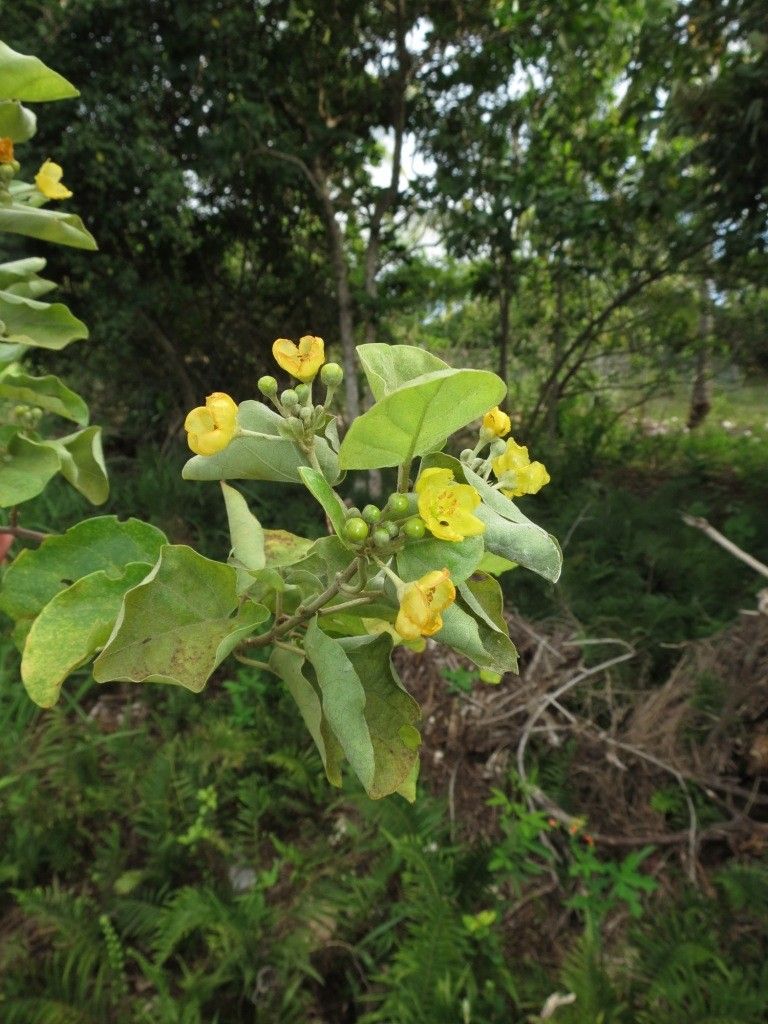
Hello fellow plant lovers! I’m so excited to talk to you today about a truly special vine: Stigmaphyllon patricianum-firmenichianum. If you’ve ever seen this plant, you’ll know why it captures hearts. Its cascading stems, adorned with these incredibly vibrant, star-shaped yellow flowers, are simply breathtaking. They bring a burst of sunshine to any garden space, whether you’re growing it in the ground or in a pot.
Propagating Stigmaphyllon patricianum-firmenichianum can be a wonderfully rewarding project. You get to witness new life emerge from a small piece of your beloved plant. Now, for beginners, I’d say this vine falls into the moderately easy category. With a little attention and the right approach, you’ll be well on your way to success.
The Best Time to Start
For the highest success rate in propagating Stigmaphyllon patricianum-firmenichianum, I always aim for late spring to early summer. This is when the plant is actively growing and has plenty of energy to put into developing new roots. You’re looking for stems that are semi-hardwood – not brand new, floppy growth, but not woody and established either. Think of it as that stage where a stem is firm but still has a bit of flexibility.
Supplies You’ll Need
Here’s a handy list of what you’ll want to have on hand before you get started:
- Sharp, clean pruning shears or a sharp knife: Crucial for making clean cuts.
- Rooting hormone powder or gel: This isn’t strictly mandatory, but it really gives your cuttings a boost.
- A well-draining potting mix: I like a blend of equal parts peat moss or coco coir, perlite, and horticultural sand. This ensures good aeration and prevents waterlogging.
- Small pots or seed trays: Clean containers are a must.
- Plastic bags or a propagation dome: To maintain humidity around your cuttings.
- Water: For misting and watering.
- Optional: A heat mat: This can really speed up root development.
Propagation Methods
Stigmaphyllon patricianum-firmenichianum is most commonly and successfully propagated by stem cuttings. It’s straightforward and yields great results.
Stem Cuttings:
- Select Your Stems: Head to your healthy, mature plant. Look for stems that have at least two or three sets of leaves.
- Take Your Cuttings: Using your sharp shears or knife, make a clean cut just below a leaf node (where a leaf attaches to the stem). Each cutting should be about 4-6 inches long. Remove the bottom leaves, leaving just the top one or two leaves to help reduce water loss. If a remaining leaf is very large, I sometimes cut it in half.
- Dip in Rooting Hormone: Lightly moisten the cut end of the stem (if using powder) and then dip it into the rooting hormone. Tap off any excess.
- Plant Your Cuttings: Fill your small pots with your prepared potting mix. Make a small hole in the center with your finger or a pencil. Insert the cutting so that the leaf nodes where you removed the leaves are buried in the soil. Gently firm the soil around the stem.
- Water and Cover: Water the potting mix thoroughly until it’s evenly moist but not soggy. Then, cover the pot with a clear plastic bag or place it in a propagation dome. This creates a humid environment essential for the cuttings.
The “Secret Sauce” (Pro Tips)
Over the years, I’ve learned a few little tricks that make a big difference:
- Don’t Let Leaves Touch the Water (If Water Propagating): While stem cuttings in soil are my go-to, some folks try water propagation. If you do, ensure no leaves are submerged in the water. Rot sets in quickly when leaves are in standing water, even if the stem is happy.
- Use Bottom Heat: I find that placing my pots on a gentle heat mat truly speeds up the rooting process. Stigmaphyllon patricianum-firmenichianum just loves a bit of warmth from below to encourage those roots to form. You don’t want it to be hot, just pleasantly warm to the touch.
- Label Everything: When you’re taking multiple cuttings, it’s easy to forget which one you took when or from which plant. Labeling your pots with the date and variety is a lifesaver! Trust me on this one.
Aftercare & Troubleshooting
Once your cuttings are potted, they need a bit of care. Keep them in a bright spot with indirect light. Avoid direct sun, which can scorch the delicate leaves or overheat the plastic cover. Mist the leaves occasionally if the humidity seems to be dropping, but mostly, let the enclosed environment do its job.
You’ll know your cuttings are rooting when you see new growth appearing from the top or gently tug on the cutting and feel some resistance. This usually takes anywhere from 4 to 8 weeks, sometimes longer.
The most common issue you might encounter is rot. If your cuttings start to look mushy, discolored, or droop suddenly, it’s usually a sign of too much moisture. The soil might be too wet, or the humidity is too high without enough air circulation. If you see this, remove the affected cutting immediately and check that your soil mix is draining well and that you’re not overwatering.
A Encouraging Closing
Growing new plants from cuttings is a truly magical experience. It’s a testament to the resilience and wonder of nature. Be patient with your Stigmaphyllon patricianum-firmenichianum cuttings. Not every single one will make it, and that’s perfectly okay. Celebrate the successes, learn from any challenges, and most importantly, enjoy the journey of nurturing new life. Happy gardening!
Resource: