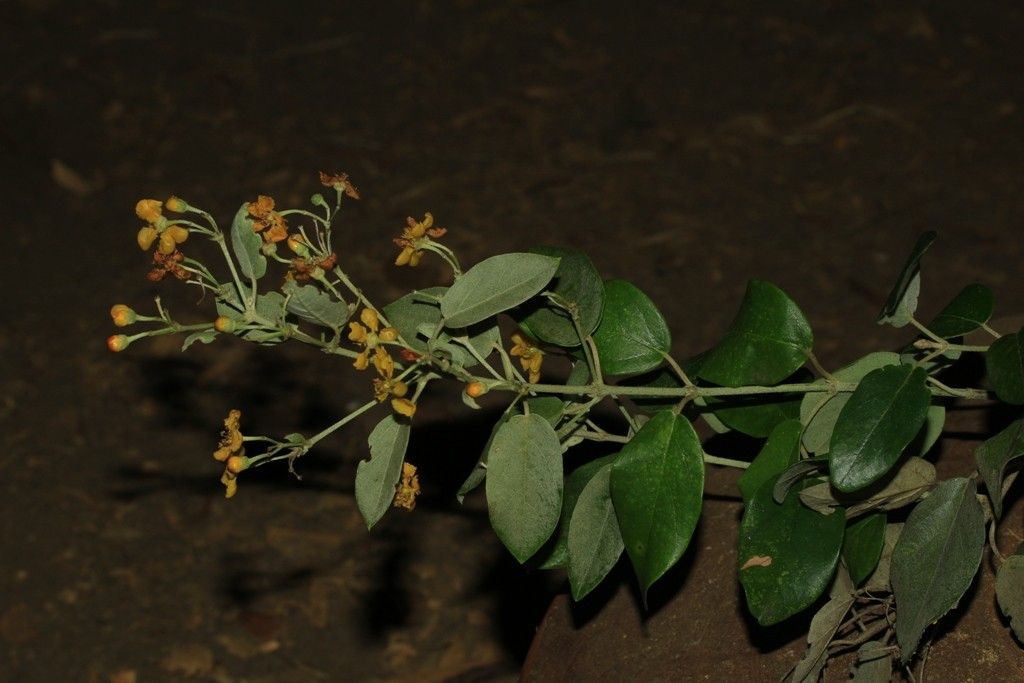
Hello fellow plant lovers! If you’ve ever admired the delicate, cheerful blooms of Stigmaphyllon mcphersonii, that stunning golden vine with its butterfly-like flowers, then you’re in for a treat. I’m excited to share how we can bring more of this beauty into our gardens. Propagating this vine is a truly rewarding experience, and while it has a reputation for being a little particular, with a few tricks up our sleeves, it’s definitely achievable for most gardeners. Think of it as a gardening challenge that’s well worth the effort!
The Best Time to Start
For the best chance of success with Stigmaphyllon mcphersonii, we want to work with the plant when it’s actively growing. Late spring or early summer is generally your sweet spot. This is when the plant has plenty of energy, making it more receptive to rooting. Avoid trying to propagate early in the spring before new growth has really taken off, or late in the fall when energy levels are waning.
Supplies You’ll Need
- Sharp Pruning Shears or a Clean Knife: For taking clean cuts.
- Rooting Hormone: A powder or gel works well.
- Well-Draining Potting Mix: I like a blend of peat moss, perlite, and vermiculite – about a 1:1:1 ratio is a good starting point. You could also use a specific seed starting mix.
- Small Pots or Seed Starting Trays: With drainage holes, of course!
- Plastic Bags or a Propagation Dome: To create a humid environment.
- Watering Can with a Fine Rose: For gentle watering.
- A Warm, Bright Location: But out of direct, scorching sun.
Propagation Methods
Let’s dive into the most reliable way to propagate Stigmaphyllon mcphersonii: stem cuttings.
- Select Your Cuttings: Look for healthy, semi-hardwood stems on your mature plant. These are stems that are no longer soft and green but haven’t yet become woody. You’re aiming for pieces about 4-6 inches long.
- Make the Cut: Using your sharp shears, make a clean cut just below a leaf node. Leaf nodes are those little bumps where leaves emerge; this is where the magic happens for rooting.
- Prepare the Cutting: Gently remove the lower leaves, leaving just a couple at the very top. This prevents them from rotting once planted. You can also carefully scrape a thin sliver of bark off one side of the stem at the base, about an inch long, to expose more surface area for rooting.
- Apply Rooting Hormone: Dip the cut end of the stem into your rooting hormone, tapping off any excess.
- Plant Your Cuttings: Fill your small pots or trays with your prepared potting mix. Make a small hole in the center with your finger or a pencil and insert the cutting, ensuring the leaf nodes are buried in the soil. Gently firm the soil around the stem.
- Water and Cover: Water the cuttings thoroughly but gently. Then, cover the pots with a clear plastic bag or a propagation dome to keep the humidity high. Make sure the leaves don’t touch the plastic all around.
The “Secret Sauce”
Here are a couple of things I’ve learned that really boost success with these beautiful vines:
- Bottom Heat is Your Friend: Stigmaphyllon mcphersonii loves a little warmth to encourage root development. Placing your pots on a heat mat designed for seedlings can make a significant difference. It doesn’t need to be scorching, just pleasantly warm to the touch.
- Don’t Overwater, but Keep it Consistent: It might seem counterintuitive with humidity, but overwatering the soil can lead to rot. The goal is consistently moist but not soggy soil. I usually check the soil every couple of days and water only when the top inch feels dry.
Aftercare & Troubleshooting
Once your cuttings have been planted and covered, place them in a bright, indirect light. Avoid direct sun, which can scorch the delicate leaves. Be patient! It can take anywhere from 4 to 8 weeks to see signs of rooting.
You’ll know your cutting has rooted when you see new leaf growth or gently tug on the stem and feel resistance. At this point, you can gradually acclimate it to lower humidity by opening the plastic bag a little more each day over a week. Once it’s fully weaned off its humidity dome, it’s ready for a slightly larger pot if needed.
The main issue you might encounter is rot. If your cuttings turn mushy, black, or slimy, it’s a sign of too much moisture or insufficient air circulation. Unfortunately, if rot sets in, it’s usually a lost cause. This is why good drainage and not overwatering are so crucial.
Keep nurturing your new little vine, and soon you’ll have a beautiful new Stigmaphyllon mcphersonii to enjoy! Remember, gardening is a journey, and sometimes a little trial and error is part of the fun. Happy propagating!
Resource:
https://identify.plantnet.org/k-world-flora/species/Stigmaphyllon%20mcphersonii%20C.E.Anderson/data