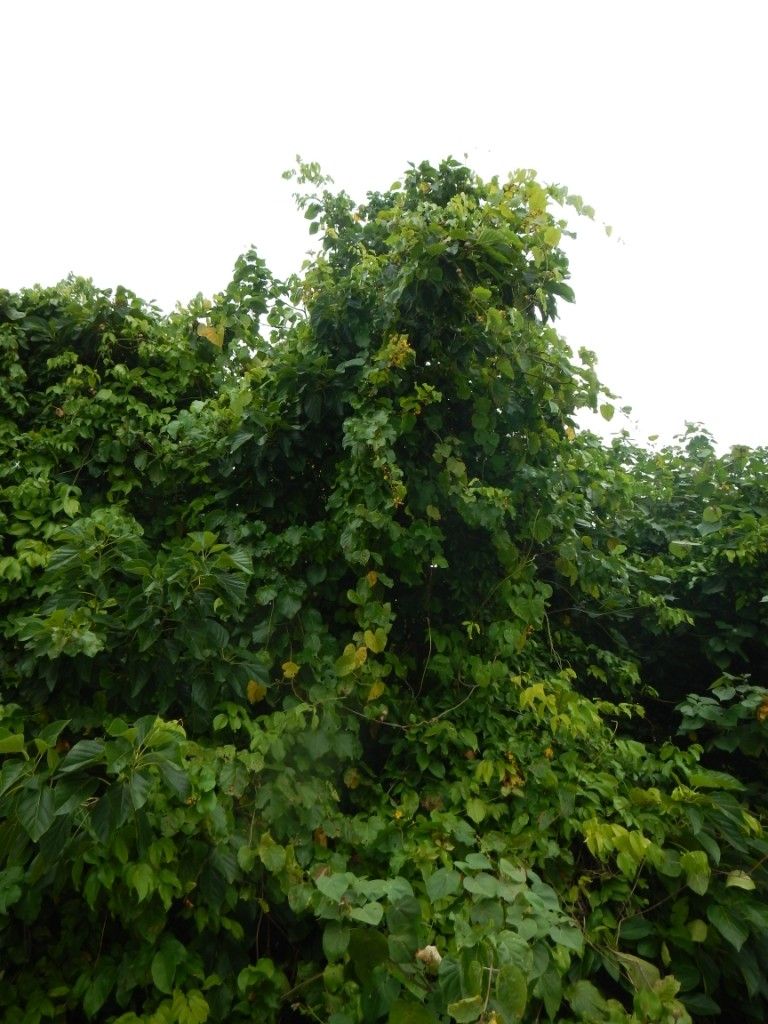
Oh, hello there! Pull up a chair and let’s chat about one of my absolute favorite garden treasures: Stigmaphyllon grandifolium. You know, the one with those gorgeous, bright yellow, star-shaped flowers that just seem to glow? If you’ve ever admired this beauty and thought, “I wish I had more of those!”, then you’re in for a real treat. Propagating it is so satisfying, and while it’s not always a walk in the park, it’s definitely achievable with a little know-how. I’ve had great success, and I’m so excited to share it with you.
The Best Time to Start
For Stigmaphyllon grandifolium, I find the sweet spot for propagating is late spring to early summer. This is when the plant is really buzzing with growth, pushing out new, healthy stems. Starting cuttings when the plant is actively growing gives them the best chance to root quickly and vigorously. Waiting until after your plant has finished its initial flush of spring growth, but before the intense heat of mid-summer, is usually perfect.
Supplies You’ll Need
Before we get our hands dirty, let’s make sure we have everything ready. It makes the whole process much smoother!
- Sharp Pruning Shears or a Clean Knife: For taking clean cuts from the parent plant.
- Rooting Hormone (Optional but Recommended): A powder or gel designed to encourage root formation.
- Potting Mix: A well-draining mix is crucial. I like to use a blend of perlite and peat moss (about a 50/50 ratio) or a dedicated “seed starting” or “propagation” mix.
- Small Pots or Seedling Trays: With drainage holes, of course!
- Plastic Bags or a Propagator Lid: To create a humid environment for your cuttings.
- Watering Can with a Fine Rose or Spray Bottle: For gentle watering.
Propagation Methods
We’ll focus on the most reliable method for Stigmaphyllon grandifolium: stem cuttings. It’s tried and true!
Taking Stem Cuttings:
- Select the Right Stem: Look for healthy, semi-hardwood stems. These are stems that have started to mature but are still a bit flexible. Avoid brand new, soft, floppy growth or old, woody stems.
- Make Your Cut: Using your clean shears or knife, take cuttings that are about 4-6 inches long. Make the cut just below a leaf node (where a leaf grows out of the stem). This is where the magic happens in terms of root development.
- Prepare the Cuttings: Gently remove the lower leaves from the cutting, leaving just a few at the top. If your cuttings have very large leaves, you can even cut them in half horizontally to reduce water loss through transpiration.
- Apply Rooting Hormone (If Using): Dip the cut end of the stem into your rooting hormone, tap off any excess. This step isn’t strictly necessary, but it can really give your cuttings a boost.
- Potting Them Up: Fill your small pots with your prepared potting mix. Make a hole in the center with a pencil or your finger. Insert the cut end of the stem cutting into the hole, ensuring the leaf nodes you bared are below the soil surface. Gently firm the soil around the cutting. Water thoroughly but gently.
- Create Humidity: Cover each pot loosely with a plastic bag or place them in a propagator with the lid on. This traps moisture and prevents the cuttings from drying out. Make sure the leaves don’t touch the plastic if possible; you can support it with little stakes.
Water Propagation (An Alternative):
While I usually prefer soil propagation for this plant, you can try water!
- Prepare Cuttings: Follow steps 1-3 above for preparing your cuttings.
- Place in Water: Place just the cut end of the stems in a small jar or glass of clean water. Make sure none of the leaves are submerged.
- Change Water Regularly: Change the water every few days to keep it fresh and prevent rot. You should start to see tiny white roots forming within a few weeks.
- Potting Up Once Rooted: Once your cuttings have developed a good root system (at least an inch long), you can carefully transplant them into a well-draining potting mix. Be extra gentle, as water roots can be delicate.
The “Secret Sauce” (Pro Tips)
Here are a few little tricks I’ve learned over the years that can make a big difference:
- Bottom Heat is Your Friend: If you have one, placing your pots on a gentle heat mat can significantly speed up root formation. It mimics the warmth of the soil in summer, encouraging those roots to stretch out.
- Don’t Over-Water: This is probably the most common mistake! While humidity is key, constantly soggy soil is a recipe for rot. Let the top inch of soil dry out slightly between waterings.
- A Little Air Circulation Helps: Even though we want to trap humidity, it’s good to open the plastic bag or propagator lid for a few minutes each day to allow for some air exchange. This helps prevent fungal diseases.
Aftercare & Troubleshooting
Once you see those first signs of new growth peeking out from the top of your cutting, it’s a good sign roots are forming!
- Gradually Acclimate: As new leaves appear, start to gradually remove the plastic bag or propagator lid over a week or so. This helps the new plant get used to the drier air.
- Move to Brighter Light: Once roots are established, you can move your new plant to a slightly brighter location, but still avoid direct, harsh sunlight for the first few weeks.
- First Potting Up: When your new plant fills its small pot, you can pot it up into a slightly larger container with fresh, well-draining potting mix.
- Watch for Rot: The most common issue is stem rot. If your cutting looks black and mushy at the base, or if the leaves suddenly wilt and turn yellow without drying out, it’s likely rot. This is usually due to overwatering or poor drainage. If a cutting rots, sadly, it’s best to discard it and try again.
A Little Patience Goes a Long Way
Propagating can sometimes feel like a waiting game, but seeing those tiny roots emerge and then watching a whole new plant develop from what was once just a piece of stem is pure gardening joy. Be patient, keep an eye on your cuttings, and don’t be discouraged if not every single one makes it. That’s just part of the learning process! Happy propagating!
Resource: