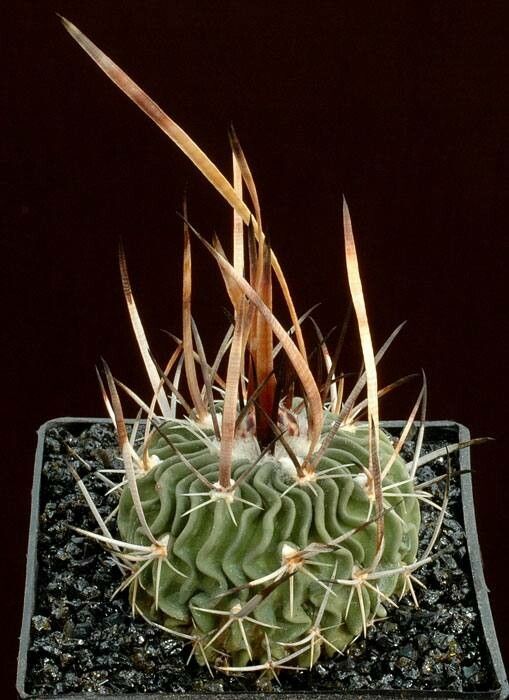
Hello fellow plant lovers! Today, we’re diving into the wonderful world of Stenocactus obvallatus, often affectionately called the “Banded Cactus” or “Kaktus ‘obvallatus'”. These beauties are a real treat in any collection. Their wavy, densely packed ribs create a unique texture and subtle charm that I’ve personally grown to adore over the years.
Propagating them might sound a little daunting, especially if you’re new to cacti. But I’m here to tell you, with a little patience and the right approach, it’s absolutely achievable, even for beginners. It’s incredibly rewarding to watch a tiny piece of your favorite plant transform into a whole new life.
When is the Perfect Moment to Propagate?
For Stenocactus obvallatus, the spring and early summer are your absolute best friends. This is when the plant is actively growing and has the most energy to put into developing roots. You’ll see new pups or offsets appearing, and the stems are firm and healthy. Avoid propagating during the plant’s dormant period in winter; you’ll likely have much less success.
What You’ll Need for Success:
Gathering your supplies beforehand makes the whole process so much smoother. Here’s what I always have on hand:
- Well-Draining Cactus and Succulent Mix: This is non-negotiable! You can buy a pre-made mix or create your own by combining potting soil with perlite or pumice (about a 50/50 ratio).
- Sharp, Sterilized Pruning Shears or a Knife: Clean tools prevent the spread of disease. A quick wipe with rubbing alcohol will do the trick.
- Rooting Hormone (Optional but Recommended): This gives your cuttings an extra boost and increases the chances of successful rooting. Look for one specifically for succulents or cacti.
- Small Pots or Seed Trays: Whatever you choose, make sure they have drainage holes.
- Gloves: Cacti spines, even small ones, can be surprisingly pokey!
- A Spray Bottle: For gentle misting.
- A Sunny Window or Grow Light: To provide adequate light without direct, scorching sun initially.
Bringing New Life: Propagation Methods
Stenocactus obvallatus is generally quite happy to be propagated by offsets or stem cuttings.
Method 1: Propagating Offsets (Pups)
This is often the easiest and most successful method for this particular cactus.
- Locate your Offset: Look for small, baby cacti that have emerged from the base of the main plant.
- Gently Detach: Use your sterilized knife or shears to carefully cut or twist the offset away from the parent plant. Try to get a small bit of the parent’s root if possible, though it’s not essential.
- Callus Over: This is a crucial step. Place the detached offset in a cool, dry place out of direct sunlight for 3-7 days. You want the cut end to dry and form a protective callus. This prevents rot when you plant it.
- Planting: Once callused, gently place the offset on top of your well-draining cactus mix in a small pot. You can barely bury the cut end.
- Watering: Do NOT water immediately. Wait a few days, then give it a very light misting. You want the soil to be barely moist.
Method 2: Stem Cuttings
This method is similar to offsets but uses a piece of the main stem.
- Select Your Cutting: Choose a healthy, mature section of the stem. Using your sterilized shears, cut a piece that is at least 2-3 inches long.
- Callus Over: Just like with offsets, the cut end must callus over. Let it dry in a warm, dry spot for 7-10 days, or even longer if the environment is humid. The cut should look completely dry and leathery.
- Planting: Once callused, insert the cut end into your cactus mix. You can dip the callous end in rooting hormone before planting if you’re using it.
- Watering: As with offsets, wait a few days after planting before your first light misting.
The “Secret Sauce” – My Insider Tips
Over the years, I’ve learned a few things that can really make a difference.
- The “Dry Wait” is King: Don’t be tempted to plant or water too soon! That dry callus is your best defense against rot. I’ve seen so many people rush this step and lose their precious cuttings. Patience here is golden.
- Mimic Nature with Bottom Heat: If you’re serious about propagating, especially in cooler climates, a heating mat designed for seedlings can be a game-changer. It provides gentle warmth to the soil from below, encouraging roots to form much faster. Place your pots on top of it.
- Don’t Drown Them: When you start watering, be extremely conservative. Cacti are desert plants; they store water and absolutely hate sitting in soggy soil. It’s much easier to revive an underwatered cactus than an overwatered one.
Caring for Your New Arrivals & What to Watch For
Once you see signs of new growth – tiny roots poking through drainage holes, or a slight plumping of the stem – that’s when you know your little one is happy and establishing itself.
- Gradual Light: Slowly introduce your new propagations to brighter light. Start with indirect bright light and gradually move them to a spot that gets a few hours of morning sun.
- Watering Schedule: Once they are clearly growing, you can begin a more regular watering schedule. Water thoroughly when the soil is completely dry, then let it dry out again. This might be every 1-2 weeks depending on your environment.
- Signs of Trouble: The biggest enemy of new cactus cuttings is rot. If you see the stem turning mushy, yellowing, or developing black spots, it’s likely rot. Unfortunately, once rot sets in, it’s very difficult to save the cutting. This is precisely why the callus period and well-draining soil are so vital. If you catch it early enough, you might be able to cut away the rotten part and let the healthy section callus over again, but it’s a long shot.
Keep Growing!
Propagating Stenocactus obvallatus is a journey, not a race. Each cutting is an opportunity to learn and connect more deeply with these fascinating plants. Be patient with yourself and your new sprouts. Seeing that first tiny root emerge or watching a new pup swell with life is a truly special moment. Happy propagating!
Resource:
https://identify.plantnet.org/k-world-flora/species/Stenocactus%20obvallatus%20(DC.)%20A.Berger/data