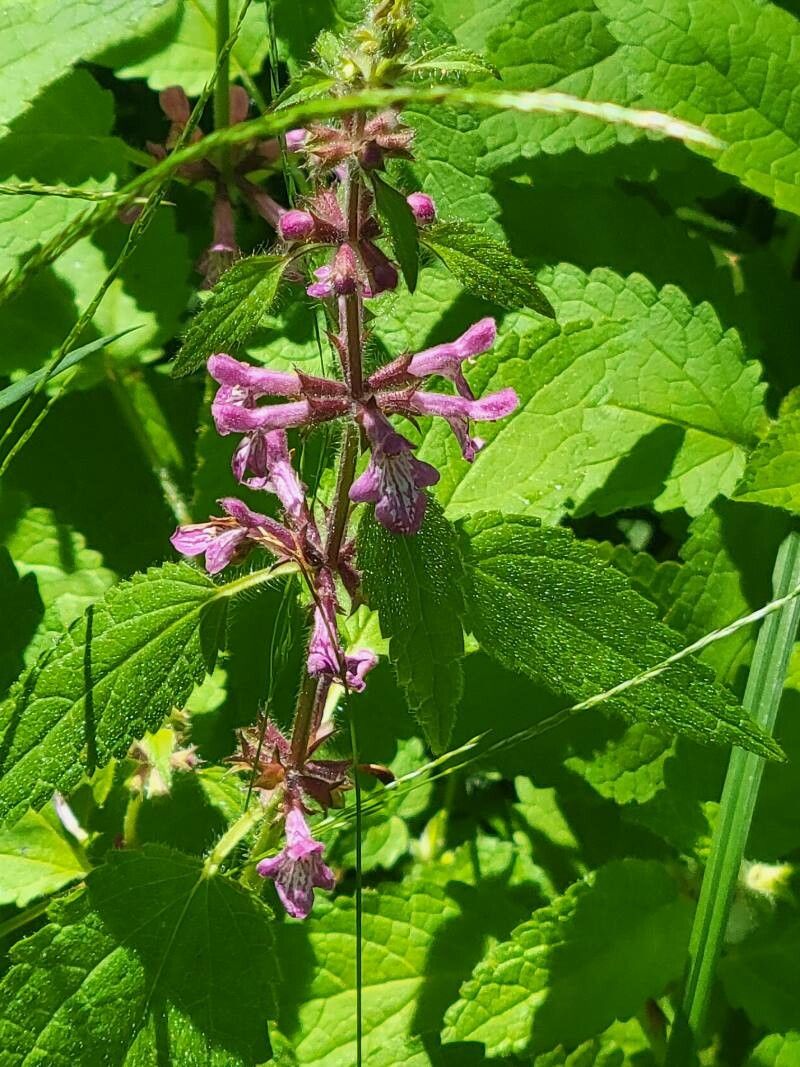
Oh, hello there! Pull up a chair, let’s chat about Stachys mexicana. If you’ve ever seen these beauties gracing a garden, you’ll know why they’re so captivating. They’ve got these gorgeous, silver-backed leaves that shimmer in the sun, and a lovely, informal habit that just screams cottage garden charm. Plus, they’re surprisingly tough once established.
I remember my first Stachys; it felt like such a special accomplishment to coax more life from it. And the best part? Propagating Stachys mexicana is wonderfully rewarding, and I’m happy to say, it’s a pretty forgiving plant for beginners. You’ll be sharing your Stachys bounty before you know it!
The Best Time to Start
For me, the sweet spot for propagating Stachys mexicana is late spring or early summer. This is when the plant is actively growing and has plenty of fresh energy to draw upon. You want to be taking cuttings from healthy, non-flowering stems. Avoid anything that looks leggy, damaged, or is currently sporting a flower spike.
Supplies You’ll Need
Here’s what I like to have on hand before I get started:
- Sharp Pruning Shears or a Clean Knife: For taking clean cuts.
- Small Pots or Seed Trays: With drainage holes, of course!
- Rooting Hormone (Optional but helpful): A powder or gel can give your cuttings a little boost.
- Well-Draining Potting Mix: I usually mix about two parts potting soil with one part perlite or coarse sand. A commercial cactus and succulent mix works wonderfully too.
- Watering Can or Spray Bottle: For gentle hydration.
- Plastic Bags or a Clear Dome: To create a humid environment.
Propagation Methods
Stachys mexicana is a dream to propagate, and I find these two methods to be the most reliable.
Stem Cuttings
This is my go-to. It’s straightforward and yields great results.
- Select Healthy Stems: Look for stems that are about 4-6 inches long and have several sets of leaves.
- Make Your Cut: Using your clean shears or knife, make a cut just below a leaf node. A leaf node is where a leaf attaches to the stem. This is where the magic happens, where root formation is most likely.
- Prepare the Cutting: Gently remove the lower leaves from the stem, leaving just the top 2-3 sets of leaves. If the leaves are large, you can even cut them in half to reduce water loss.
- Dip in Rooting Hormone (Optional): If you’re using rooting hormone, dip the cut end of the stem into the powder or gel. Tap off any excess.
- Plant Your Cuttings: Fill your small pots with your prepared potting mix. Make a small hole with your finger or a pencil. Insert the cutting, ensuring the lower leaf nodes are buried in the soil. Gently firm the soil around the stem.
- Water Gently: Water the soil until it’s evenly moist, but not soggy.
Water Propagation
This method is incredibly satisfying because you can actually watch the roots form!
- Take Your Cuttings: Follow steps 1-3 from the stem cuttings method.
- Place in Water: Find a clean jar or glass and fill it with room temperature water. Place your cuttings in the water, making sure that the leaf nodes you removed are submerged, but the remaining leaves are above the water line.
- Find a Bright Spot: Place the container in a bright location, but out of direct, harsh sunlight.
- Change Water Regularly: Change the water every few days to keep it fresh and prevent bacterial growth.
The “Secret Sauce” (Pro Tips)
Over the years, a few little tricks have really helped me boost my propagation success.
- The Humidity Tent is Key: After planting your cuttings in soil, cover the pot loosely with a clear plastic bag or place it under a clear dome. This creates a mini-greenhouse, keeping the humidity high, which is crucial for cuttings that haven’t developed roots yet. Make sure the leaves aren’t pressed against the plastic; if they are, prop the bag up with little stakes or twigs.
- Bottom Heat Works Wonders: Stachys loves a bit of warmth to encourage root development. If you have a seedling heat mat, placing your pots on it can dramatically speed up the rooting process. You can usually find these online or at your local garden center.
- Patience with the Patience: Sometimes, you just have to let nature do its thing. Don’t be tempted to pull on the cuttings to check for roots too early. Give them at least 3-4 weeks before you gently tug.
Aftercare & Troubleshooting
Once you see roots peeking out from the drainage holes, or if your water-propagated cuttings have a good set of roots (about an inch long), it’s time to move them into their own pots!
- Potting Up: Gently transplant your rooted cuttings into individual pots filled with your well-draining potting mix. Water them thoroughly.
- Gradual Acclimation: If your cuttings were under a humidity dome or plastic, gradually introduce them to normal room humidity over a week or so. Start by opening the bag for a few hours each day.
- Watering: Water when the top inch of soil feels dry to the touch. Avoid overwatering, as this is the most common cause of failure.
- Watch for Signs of Distress: The biggest culprit for propagation failure is rot. If your cuttings turn mushy and black, or if the leaves start to yellow and drop rapidly, it’s usually a sign of too much moisture and not enough air circulation. Sometimes, you can salvage a cutting that’s starting to rot by snipping off the affected part and trying again in cleaner medium, but often, it’s best to start fresh.
A Little Bit of Green Thumb Magic
So there you have it! Propagating Stachys mexicana is a wonderfully accessible way to expand your collection and share the beauty of this plant. Don’t be discouraged if your first few attempts aren’t perfect. Gardening is all about learning, observing, and enjoying the process. Be patient, trust your instincts, and happy propagating!
Resource:
https://identify.plantnet.org/k-world-flora/species/Stachys%20mexicana%20Benth./data