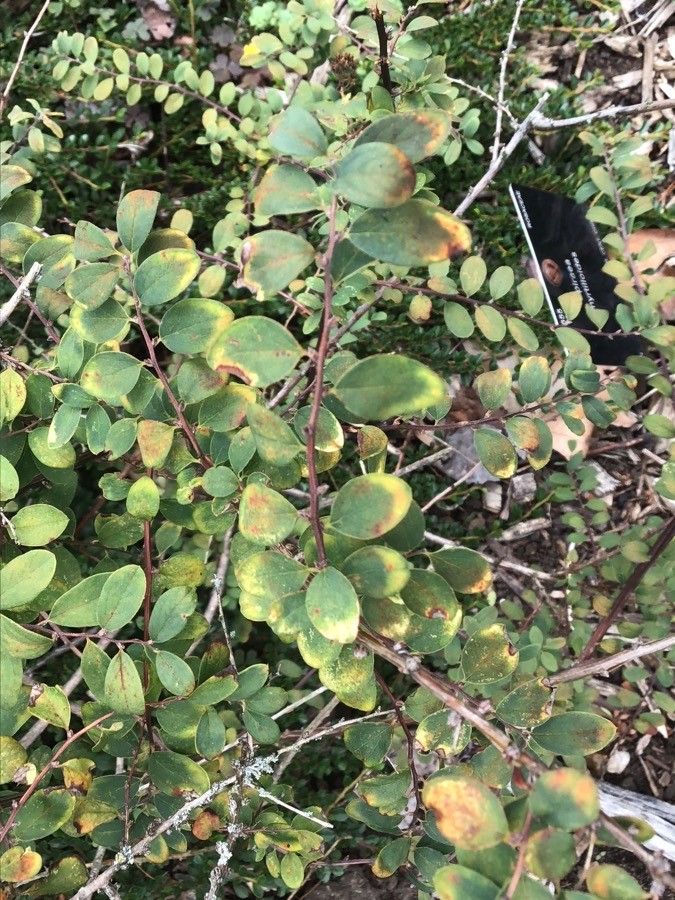
Oh, hello there, fellow plant enthusiast! Grab a mug of something warm, because today we’re diving into the delightful world of propagating Spiraea myrtilloides. If you haven’t met this little gem, let me tell you, its neat, bushy habit and lovely spring blooms are pure garden joy. They bring a touch of delicate charm without being fussy. And the best part? Bringing new life into your garden from existing plants is incredibly rewarding. It feels like magic, doesn’t it? Now, to answer your burning question: is Spiraea myrtilloides easy to propagate for beginners? I’d say it’s comfortably in the “moderately easy” category. With a little patience and the right approach, you’ll be celebrating success.
The Best Time to Start
When it comes to rooting your Spiraea myrtilloides, late spring to early summer is your golden ticket. Think about it: the plant is actively growing, full of vigor, and has plenty of energy to spare for making new roots. You’re looking for new, soft, green growth, not the woody stems that have been around for a while. This tender material has the best chance of striking roots quickly.
Supplies You’ll Need
Before we get our hands dirty, let’s gather our tools. Having everything ready makes the process so much smoother:
- Sharp Pruning Shears or a Craft Knife: Cleanliness is key!
- Rooting Hormone: Not strictly essential, but it gives your cuttings a good boost. I prefer the powder kind.
- Small Pots or Trays: Terracotta pots are lovely, but plastic works too. Make sure they have drainage holes.
- Seed Starting Mix or a Perlite-Rich Potting Mix: Something that drains exceptionally well is crucial. A 50/50 mix of peat moss and perlite, or even seed starting mix, is perfect.
- Plastic Bags or a Clear Dome: To create a mini-greenhouse effect.
- Watering Can or Spray Bottle: For gentle watering.
- Labels: Don’t forget to label your cuttings, trust me!
Propagation Methods
The most reliable way to propagate Spiraea myrtilloides is through softwood cuttings. It’s straightforward and yields great results.
Here’s how we do it:
- Take Your Cuttings: With your clean shears, select healthy, current-season shoots that are about 4-6 inches long. Make your cut just below a leaf node (where a leaf meets the stem).
- Prepare the Cuttings: Gently remove the lower leaves from your cutting. You want to leave 2-3 sets of leaves at the top. If the leaves are large, you can even cut them in half horizontally to reduce water loss.
- Apply Rooting Hormone: Dip the cut end of the stem into your rooting hormone, tapping off any excess.
- Plant Your Cuttings: Fill your pots with your well-draining mix. Make a small hole with a pencil or your finger and gently insert the cutting, ensuring the hormone-coated end is in soil. Firm the soil around the base.
- Water Gently: Water the soil thoroughly but gently. You don’t want to dislodge your carefully placed cuttings.
- Create a Humid Environment: Cover the pots with a plastic bag, a clear plastic dome, or even a cut plastic bottle. Make sure the plastic doesn’t touch the leaves. This traps humidity, which is vital for softwood cuttings.
- Place in Bright, Indirect Light: Find a spot that gets plenty of light but no direct, harsh sun, which can scorch the tender cuttings.
The “Secret Sauce” (Pro Tips)
You asked for insider tips, and I’m happy to share a couple of little tricks that can make a big difference!
- Bottom Heat is Your Friend: While not always necessary, a gentle heat mat placed under your pots can dramatically speed up the rooting process. It warms the soil and encourages the plant to send out those precious roots.
- Don’t Drown Them! You want the soil to be consistently moist, not waterlogged. Overwatering is the quickest way to invite rot, and nobody wants that. Check the soil regularly and water only when the top inch feels dry.
- Watch for the “Bounce Back”: When you gently touch a healthy stem, it should feel firm. If it feels limp and “spongy,” it’s usually a sign that the cutting has gone too far.
Aftercare & Troubleshooting
Once you start to see signs of new growth, like tiny new leaves emerging, it’s a fantastic indication that roots are forming! Give it a few more weeks to really establish. You can gently tug on a cutting – if there’s resistance, you’ve got roots!
At this point, you can start to gradually acclimate your new plants to drier air. Poke a few holes in your plastic covering, then slowly remove it over a few days. Continue to keep the soil moist. Once they are robust, you can transplant them into individual, slightly larger pots.
What if things go wrong? The most common pest here is rot, which will manifest as mushy, blackened stems. This is usually a sign of too much moisture and not enough air circulation. If you see this, unfortunately, that cutting is likely lost. Don’t be discouraged though; just try again with improved watering and possibly more perlite in your mix.
A Encouraging Closing
Propagating plants is a journey, a dance with nature. Not every cutting will make it, and that’s perfectly okay. The joy is in the process, in nurturing these tiny beginnings into something beautiful. Be patient, enjoy the anticipation, and celebrate every little success. Happy gardening, and may your Spiraea cuttings flourish!
Resource:
https://identify.plantnet.org/k-world-flora/species/Spiraea%20myrtilloides%20Rehder/data