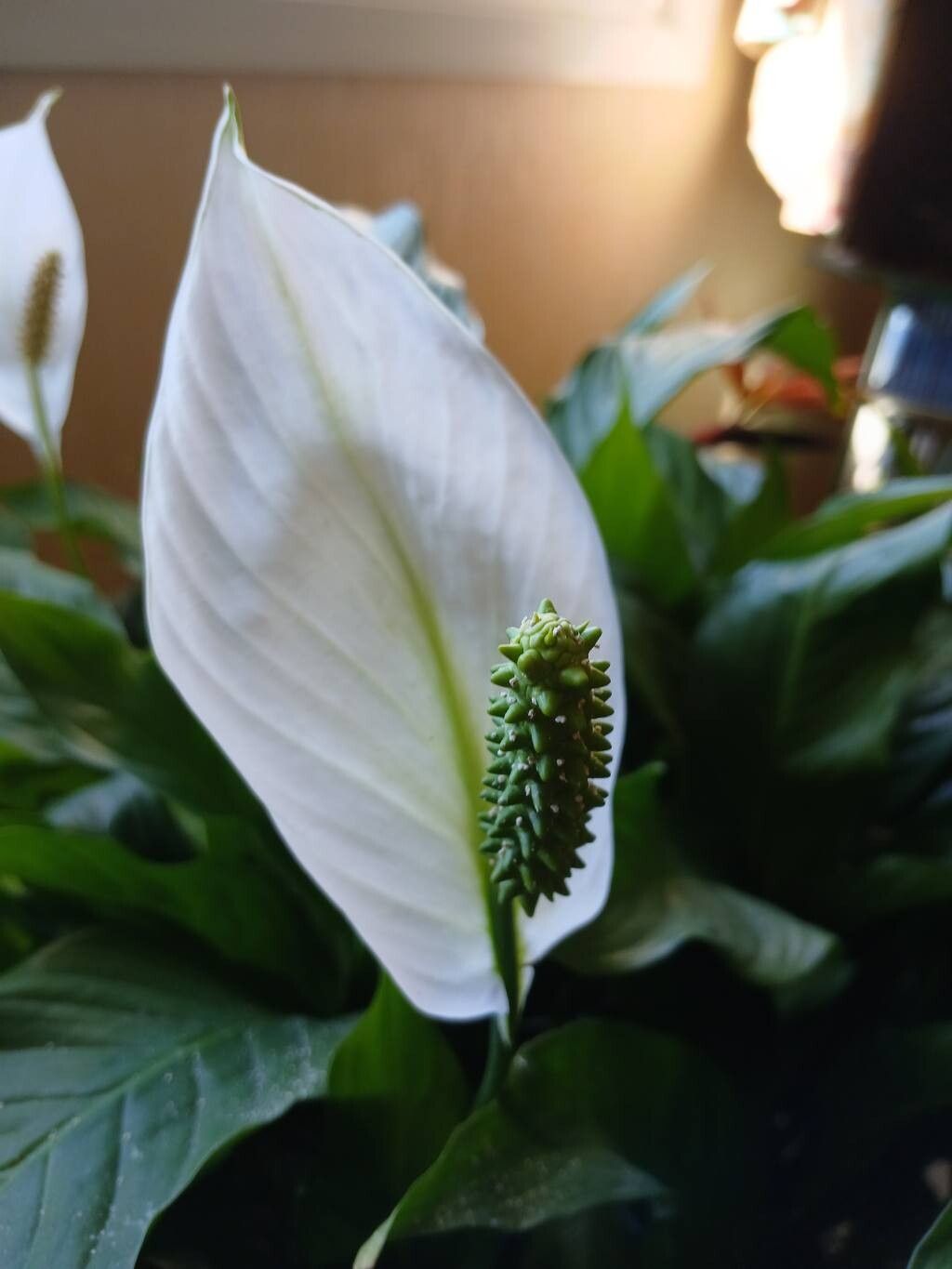
Oh, hello there! Grab yourself a mug, let’s chat about a plant I adore: the Spathiphyllum. You know, the one with those elegant white blooms and glossy green leaves? They’re often called Peace Lilies, and “peaceful” is certainly the vibe they bring to a room. Plus, they’re fantastic air purifiers – a real win-win!
And the best part? They’re surprisingly easy to propagate. If you’re just starting out with houseplants and want to try your hand at making more of these beauties, you’ve picked a winner. It’s incredibly rewarding to see a little piece of your favorite plant turn into a whole new one.
The Best Time to Start
When it comes to Spathiphyllum, I find the spring and early summer are just perfect. This is when your plant is really in its growing phase, full of energy. Starting new plants then means they have a good long season ahead to establish themselves before things cool down. You can also propagate older, established plants any time they seem to be putting out lots of new growth.
Supplies You’ll Need
Here’s what you’ll want to have on hand:
- Sharp Pruning Shears or a Clean Knife: For making neat cuts.
- Small Pots or Containers: Whatever you have that’s clean and has drainage holes.
- Well-Draining Potting Mix: I usually go for a mix of standard potting soil with perlite or orchid bark. You want it to drain freely.
- Rooting Hormone (Optional but helpful): A little boost can speed things up.
- Clear Plastic Bags or a Mini Greenhouse: To create a humid environment.
- Watering Can or Spray Bottle: For gentle watering.
- Labels: Trust me, future you will thank you!
Propagation Methods
There are a couple of ways to go about this, but for Spathiphyllum, I find division to be the easiest and most successful method.
Method 1: Division (The Easiest Way)
This is how you’ll get the most bang for your buck, and it’s especially good for larger, more mature plants.
- Gently Remove from Pot: First, take your Spathiphyllum out of its container. If it’s a bit stuck, a gentle tap around the sides of the pot usually helps.
- Shake Off Excess Soil: You want to be able to see the root system clearly. Gently tease away some of the old soil.
- Examine the Root Ball: Look for natural breaks in the plant’s structure. You’ll see where one plant clump seems to be growing away from another. The roots will often follow these divisions.
- Separate Gently: Using your hands, or if you need a little help, a clean knife, carefully divide the plant into smaller sections. Each section should have both roots and at least one or two healthy leaves. Don’t be afraid to gently pull them apart. If the roots are a bit tangled, a gentle wiggle might be all it takes.
- Pot Up Your Separations: Pot each new division into its own small pot filled with your well-draining potting mix.
- Water Thoroughly: Give them a good drink to settle the soil around the roots.
Method 2: Stem Cuttings (A Little More Patience)
While division is my go-to, you can try stem cuttings if you have a particularly vigorous plant.
- Identify a Healthy Stalk: Look for a stalk that has a leaf and is growing from the base of the plant, not a flower stalk.
- Make a Clean Cut: Using your sharp shears or knife, make a cut just above where the leaf joins the main stem. You want a piece that includes a leaf and a bit of the stem below it.
- Prepare the Cutting: You can optionally dip the cut end into rooting hormone.
- Place in Water or Soil:
- Water Propagation: Place the cutting in a small jar or glass of water. Make sure the leaf does NOT touch the water. Change the water every few days to keep it fresh.
- Soil Propagation: You can also directly plant the cutting into a small pot of moist potting mix.
The “Secret Sauce” (Pro Tips!)
Here are a couple of things I’ve learned over the years that really make a difference:
- Don’t Drown Your Cuttings: If you’re doing water propagation, those leaves dangling in the water? They’ll just rot. Make sure only the cut stem is submerged. A little support with a toothpick can help if needed.
- Bottom Heat is Your Friend: Spathiphyllum roots are happy when it’s warm. If you’re propagating in soil, placing the pot on a seedling heat mat can significantly speed up the rooting process. You can find inexpensive ones online.
- Mimic the Tropics: These plants love humidity! Once you’ve potted up your divisions or cuttings, loosely cover them with a clear plastic bag or place them in a mini greenhouse. This traps moisture and creates that lovely humid environment they thrive in. Just make sure to open them up for a bit each day for ventilation to prevent mold.
Aftercare & Troubleshooting
Once your divisions are potted or your cuttings have developed a good root system (you’ll see roots emerging from the drainage holes or you can gently tug on a cutting to feel resistance), it’s time for regular care.
- Watering: Keep the soil consistently moist but not soggy. Peace Lilies are quite dramatic when they’re thirsty – their leaves will droop. Give them a drink, and they’ll perk right back up!
- Light: Place your new plants in bright, indirect light. Avoid direct sun, as it can scorch their leaves.
- Fertilizing: Wait a few weeks before thinking about fertilizing. Once they’re established and showing new growth, you can give them a diluted dose of liquid fertilizer every month during the growing season.
Troubleshooting:
The most common issue you might face is rot. This usually happens if the soil is too wet and there isn’t enough airflow. If you see mushy stems or leaves turning yellow and falling off, it’s likely rot. If it’s a cutting in water, discard it. If it’s a division in soil, you might be able to save it by removing the rotted parts, letting the healthy parts air dry for a day, and repotting in fresh, dry soil.
A Little Patience Goes a Long Way
Propagating plants is such a joyful journey. Be patient with your new little Spathiphyllum babies. It might take a few weeks for divisions to adjust and longer for cuttings to fully root. But with a little care and attention, you’ll soon have more of these gorgeous plants to enjoy or share. Happy gardening!
Resource:
https://identify.plantnet.org/k-world-flora/species/Spathiphyllum%20wallisii%20Regel/data