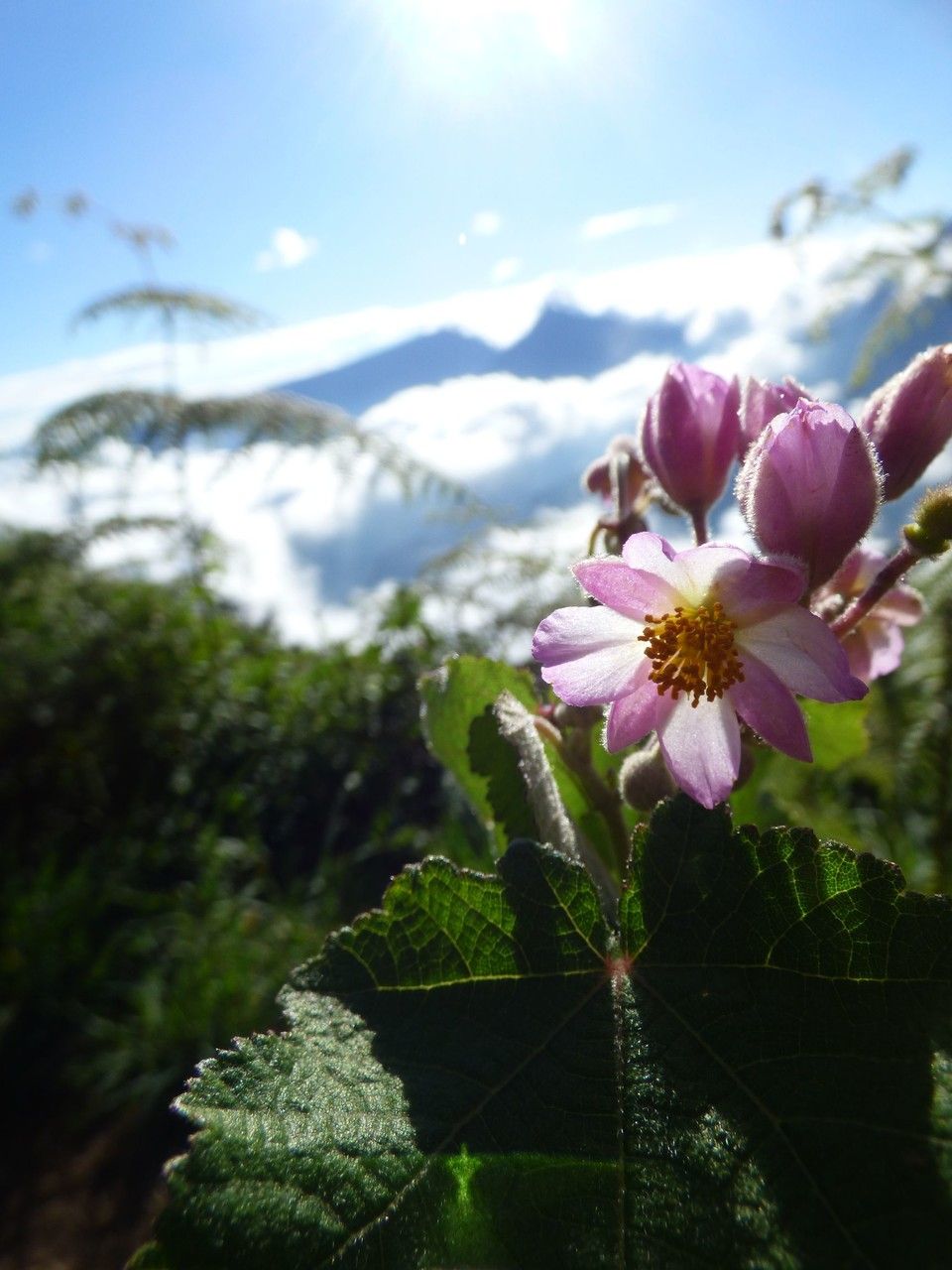
Oh, Sparrmannia ricinocarpa! You know, I always get a little flutter of excitement when someone asks about this beauty. It’s such a charmer with those big, velvety leaves and delicate white flowers. Growing your own from scratch is incredibly satisfying. Honestly, while it might sound a bit daunting, I find Sparrmannia ricinocarpa to be surprisingly cooperative when it comes to propagation, even for those who are just starting their green journey.
The Best Time to Start
For the absolute highest chance of success, I always lean towards spring. As the days get longer and the plant is ready to put on a growth spurt, it’s the perfect time to take cuttings. You’ll find the stems are more vigorous and eager to root then. Late spring or early summer is also a good bet. Basically, anytime the plant is actively growing is your window of opportunity.
Supplies You’ll Need
Here’s what I like to have on hand before I dive in:
- Sharp pruning shears or a clean, sharp knife: For making clean cuts.
- A rooting hormone powder or gel: Not strictly essential, but it really gives your cuttings a boost.
- Well-draining potting mix: I usually use a mix of equal parts peat moss or coco coir and perlite. This keeps things airy and prevents soggy roots.
- Small pots or trays: For your cuttings to root in. Old yogurt cups with drainage holes poked in the bottom work in a pinch!
- A clear plastic bag or a propagation dome: To create a mini greenhouse effect and keep humidity high.
- Water mister or spray bottle: For keeping the humidity up without waterlogging.
Propagation Methods
Let’s get those new plants started! My go-to method for Sparrmannia ricinocarpa is stem cuttings.
- Select a healthy stem: Look for a piece of stem that’s about 4-6 inches long and has at least two sets of leaves. Ideally, choose a stem that’s not too soft and bendy, but also not woody and hard. A semi-hardwood cutting is usually best.
- Make the cut: Using your clean shears or knife, make a clean cut right below a leaf node (where a leaf attaches to the stem). This is where the magic happens for root development.
- Prepare the cutting: Gently remove the lower leaves. You want to leave at least one or two sets of leaves at the top. If your leaves are very large, you can even carefully cut them in half to reduce water loss.
- Apply rooting hormone: Dip the cut end of the stem into your rooting hormone, tapping off any excess.
- Pot it up: Fill your small pots with your well-draining mix. Make a little hole in the center with your finger or a pencil, and gently insert the cutting. Firm the soil gently around the stem to ensure good contact.
- Create a humid environment: Water the soil lightly. Then, place a clear plastic bag over the pot, securing it with a rubber band, or place it under a propagation dome. This traps moisture.
- Find a good spot: Place the pot in a bright location but out of direct sunlight. Indirect light is key to prevent scorching.
Water propagation can also work for Sparrmannias, though I find stem cuttings in soil tend to establish more robustly. If you try water:
- Take your cutting as described above.
- Remove all leaves that would sit below the water line. This is crucial to prevent rot.
- Place the cutting in a jar or vase of water. Make sure the leaf nodes are submerged, but the leaves themselves are not.
- Change the water every few days to keep it fresh.
- Be patient! Roots will eventually emerge. Once they are an inch or two long, you can carefully transplant them into potting mix.
The “Secret Sauce” (Pro Tips)
Here are a few little tricks I’ve learned over the years that can make a big difference:
- Warmth is your friend: Sparrmannias love a bit of warmth for rooting. If you have a heat mat, placing your pots on it will significantly speed up root development. If not, just a warm spot in your home, away from drafts, will do.
- Don’t let those leaves touch the water! Seriously, if you’re trying water propagation, this is the golden rule. Submerged leaves are a direct invitation for rot, and you’ll lose your cutting.
- Patience with the “wiggle test”: After a few weeks, you can gently tug on your cutting. If you feel resistance, that’s a good sign roots have formed! Don’t be tempted to pull it out and check too early – you could damage precious new roots.
Aftercare & Troubleshooting
Once you see those roots emerging (or feel that resistance in the soil), it’s time for a little adjustment.
- Acclimate slowly: If you’ve used a plastic bag or dome, start by opening it up for a few hours each day, gradually increasing the time until the plant is used to normal room humidity.
- Watering: Water your new plant when the top inch of soil feels dry. Avoid overwatering, as this is the most common culprit for failure.
- Signs of trouble: The most common issue is rot, which usually shows up as a black, mushy stem base. This is almost always due to too much moisture and not enough air circulation. If you see this, it’s usually too late to save the cutting. Another sign of distress is yellowing or wilting leaves that aren’t related to dryness; this can be a sign of too much stress or being kept too cold.
A Little Encouragement
Propagating plants is a bit like having a conversation with nature. Sometimes they’re chatty and root quickly, and other times they’re a little shy. Don’t get discouraged if your first attempt isn’t a runaway success. Just keep trying, observe what happens, and enjoy the process of nurturing something new to life. Happy gardening!
Resource: