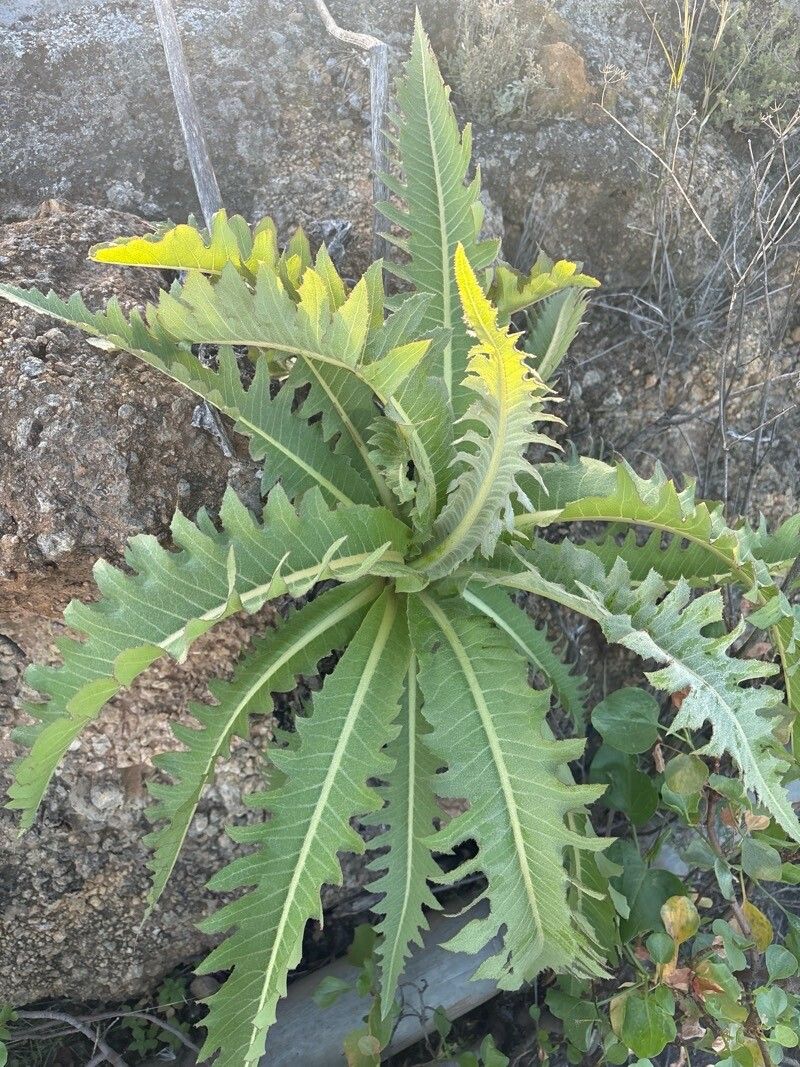
Hey there, fellow plant lovers! I’m so excited to chat with you today about a really special plant: Sonchus acaulis. If you’re looking for something that brings a touch of architectural drama and a refreshing, slightly bitter elegance to your garden, this is it. Seeing these rosette-forming beauties sprout from a tiny bit of a parent plant is incredibly rewarding. Honestly, for those of you just dipping your toes into the world of propagation, Sonchus acaulis is pretty forgiving. You’re in for a treat!
The Best Time to Start
My favorite time to get my hands dirty with Sonchus acaulis propagation is in the spring. As the weather warms up and the plant starts actively growing again, it’s brimming with energy. This means it’s more likely to put out strong roots and settle in quickly. You can also try in early autumn, but spring just has that extra magic for getting new plants established before any potential winter chill.
Supplies You’ll Need
Gathering your supplies is half the fun, right? Here’s what I always have on hand:
- Sharp pruning shears or a clean knife: For making neat cuts.
- Well-draining potting mix: I like a blend of equal parts peat moss, perlite, and coarse sand. Or, a good quality seedling mix will work wonders.
- Small pots or seed trays: Make sure they have drainage holes!
- Rooting hormone (optional but helpful): A powder or gel can give your cuttings an extra boost.
- Watering can or spray bottle: For gentle watering.
- Labels: So you don’t forget what you planted where!
Propagation Methods
Sonchus acaulis is a trooper, and luckily, it’s quite straightforward to propagate. The best method for me is often division, especially since these plants naturally form clumps.
Division
This is my go-to for Sonchus acaulis:
- Gently excavate: When the plant is actively growing (spring is ideal!), carefully dig up the entire Sonchus acaulis plant from its pot or garden bed. Try to disturb the root ball as little as possible initially.
- Loosen the roots: Lay the plant on its side on a clean surface. You’ll want to gently tease apart the root ball. Look for natural divisions where there are separate crowns and root systems. You can often see where a new clump is already forming.
- Make the cut (if needed): If the roots are tightly bound, you might need to use your clean knife or shears to carefully separate the clumps. Aim to ensure each new division has a healthy amount of roots attached and at least one growing point (a crown).
- Pot them up: Plant each division into its own pot filled with your well-draining potting mix. Water gently to settle the soil around the roots.
The “Secret Sauce” (Pro Tips)
After years of trial and error, I’ve learned a few tricks that make a big difference:
- Don’t be afraid to trim back some foliage: If your divisions have a lot of large leaves, give them a light trim. This reduces water loss as the plant tries to establish new roots, helping it focus its energy underground.
- Provide that gentle warmth: If you can, placing your newly potted divisions on a heated propagator mat can really speed things up. This bottom heat encourages root development without drying out the top layer of soil too quickly. It’s like a cozy little spa day for your plant!
Aftercare & Troubleshooting
Once your Sonchus acaulis is happily divided and potted, keep its soil consistently moist but not waterlogged. Think of it as a gentle hug for developing roots. Place them in a spot with bright, indirect light – no harsh sun just yet!
Now, the most common issue you might see is rot. This usually happens if the soil stays too wet or if air circulation is poor. You’ll notice wilting that doesn’t improve with watering, or a mushy base. If you see this, stop watering immediately and try to improve air flow. Sometimes, you can salvage a section if you catch it early, but often, it’s a sign the cutting or division wasn’t able to establish roots before succumbing to the moisture. Don’t beat yourself up if this happens; it’s a learning curve for all of us!
A Encouraging Closing
Propagating Sonchus acaulis is a wonderful way to multiply your garden’s beauty. Be patient with your new little plants. They’re working hard to put down roots and grow into their full glory. Enjoy the process, celebrate every tiny new leaf, and soon you’ll have a whole collection of these striking plants to share or enjoy in your own garden! Happy gardening!
Resource:
https://identify.plantnet.org/k-world-flora/species/Sonchus%20acaulis%20Dum.Cours./data