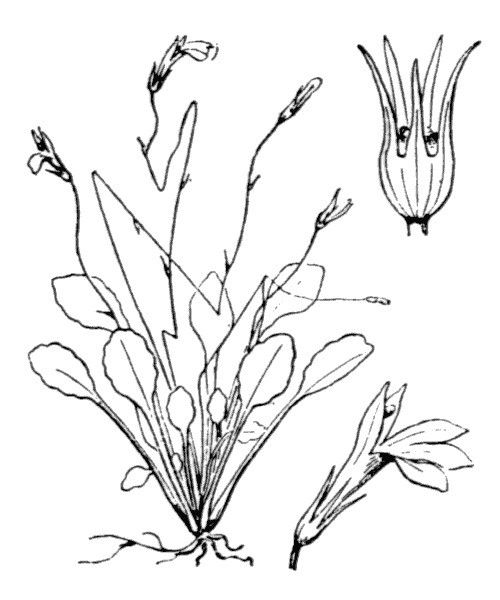
Bringing More Corsican Jewels into Your Garden: A Guide to Propagating Solenopsis corsica
Oh, Solenopsis corsica! If you’ve ever seen this little gem gracing a garden, you know why it’s so captivating. Its delicate, bell-shaped flowers come in the most delightful shades, and it has this wonderful, low-growing habit that just spills over edges and fills in nooks. Growing more of these beauties is incredibly satisfying. They’re like little treasures you can multiply and share. Now, I will say, while not impossible, Solenopsis corsica can be a tad finicky for absolute beginners. But with a little patience and these tips, you’ll be well on your way!
When to Get Your Hands Dirty
The sweet spot for propagating Solenopsis corsica is generally in late spring or early summer. This is when the plant is actively growing and has plenty of energy to put into developing new roots. You want to catch it at a stage where you can take relatively firm stem cuttings, but before it gets too leggy or starts producing a ton of flowers.
Your Propagation Toolkit
Gathering your supplies before you start always makes the process smoother. Here’s what you’ll want to have on hand:
- Sharp Pruning Shears or a Craft Knife: Clean, sharp tools are crucial to avoid damaging the plant and introducing disease.
- Rooting Hormone: A good quality rooting hormone powder or gel will give your cuttings a significant boost.
- Well-Draining Potting Mix: I like to use a mix of peat moss or coco coir, perlite, and a little compost. You want it airy and free-draining.
- Small Pots or Seed Tray: Clean pots are a must! Small nursery pots or even recycled yogurt cups with drainage holes work perfectly.
- Plastic Bag or Cloche: To create a humid microclimate for your cuttings.
- Watering Can with a Fine Rose: For gentle watering.
- Labels: Don’t forget to label your cuttings!
Bringing New Life: Propagation Methods
For Solenopsis corsica, I find success comes most reliably with stem cuttings. It’s straightforward and often yields the best results.
- Gather Your Cuttings: On a bright, but not scorching, morning, select healthy, non-flowering stems from your mature plant. Look for stems that are about 4-6 inches long. Make a clean cut just below a leaf node. The leaf node is where roots are most likely to form.
- Prepare the Cuttings: Gently remove the lower leaves from the stem, leaving just two to four sets of leaves at the top. This prevents the lower leaves from rotting in the soil and allows the plant to focus its energy on root development. You can also pinch off any flower buds if present.
- Apply Rooting Hormone: Dip the cut end of each stem into your rooting hormone. Tap off any excess. This step is often a game-changer for encouraging strong root growth.
- Plant Your Cuttings: Fill your small pots with the well-draining potting mix. Gently insert the prepared cuttings into the soil, ensuring the rooting hormone-coated end is submerged. You can plant several cuttings in one pot, as long as they aren’t touching each other too much.
- Create a Humid Environment: Water the soil gently until it’s moist but not waterlogged. Then, cover the pot with a plastic bag or a clear plastic cloche. This traps moisture and creates the high humidity these cuttings crave. You can secure the bag with a rubber band around the rim of the pot.
The “Secret Sauce”: My Insider Tips
I’ve learned a few tricks over the years that seem to give Solenopsis corsica cuttings just that extra edge.
- Bottom Heat is Your Friend: While not strictly essential, placing your pots on a gentle heating mat can significantly speed up the rooting process. It mimics the warm soil temperatures that encourage roots to emerge.
- Air Circulation is Key (Once Rooted): While you want humidity for rooting, once you start seeing growth, occasionally vent the plastic cover to allow for some air circulation. This helps prevent fungal issues. I usually do this for an hour or two each day.
- Don’t Be Afraid to Experiment with Light: Initially, your cuttings don’t need direct sun. Bright, indirect light is perfect. Too much light can scorch those tender new leaves.
Aftercare and What to Watch For
Once your cuttings have been planted, place them in a bright spot with indirect light. Keep the soil consistently moist but not soggy. You should start to see signs of new growth, like tiny leaves emerging from the top, within 4-8 weeks.
The most common problem you might encounter is rot. If you see any stems turning black or mushy, they’ve likely succumbed to rot. This is usually a sign of too much moisture and poor air circulation. Remove any affected cuttings immediately to prevent it from spreading to others. If you notice the leaves wilting, it could be a sign of too little water or that the cutting hasn’t rooted yet and is struggling.
When you can gently tug on a cutting and feel resistance, or if you see new, strong growth, it’s a good sign that roots have formed. Gradually acclimate your new plants to normal room humidity by removing the plastic cover for longer periods over a week or two before transplanting them into slightly larger individual pots.
Happy Growing!
It’s incredibly rewarding to watch those tiny stems transform into independent, beautiful plants. Don’t get discouraged if some cuttings don’t make it; it’s part of the learning process. Celebrate the successes, learn from the challenges, and enjoy the journey of bringing more of these wonderful Solenopsis corsica into your life. Happy propagating!
Resource: