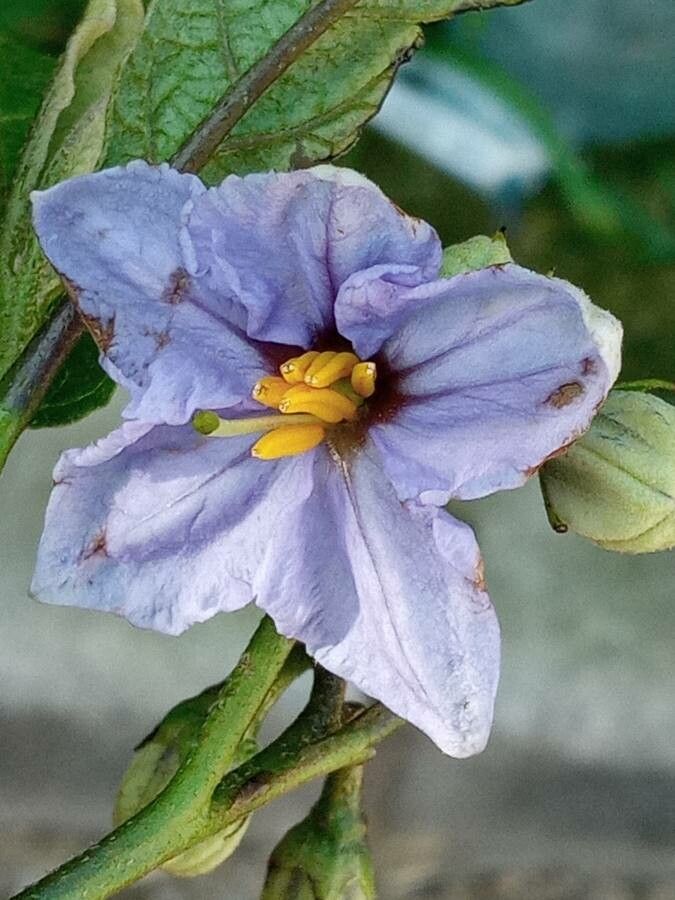
Oh, hello there! Come on in, grab a cup of tea. Today, we’re going to talk about a truly wonderful plant: Solanum bonariense. You know, that gorgeous, airy plant with those stunning purple-blue flowers that seem to go on forever? It’s got a way of softening edges in the garden and drawing the eye, don’t you think?
If you’ve fallen for its charm like I have, you’ll be thrilled to know that propagating Solanum bonariense is a deeply satisfying endeavor. And the best part? It’s not a difficult plant to get started! In fact, I’d say it’s a rather forgiving friend for even those just dipping their toes into the world of plant propagation. Seeing a tiny cutting transform into a robust new plant is one of gardening’s greatest joys.
The Best Time to Start
When it comes to getting the highest success rate, I’ve found that late spring and early summer are your golden ticket. This is when the plant is in its active growth phase. The stems are pliable, and there’s plenty of energy stored up for new roots to form. You’re looking for new, soft growth, not the woody, mature stems of late summer or fall.
Supplies You’ll Need
Don’t worry, it’s not a long list!
- Sharp, clean pruning shears or a knife: This is crucial for making clean cuts, which helps prevent disease.
- Rooting hormone (optional, but recommended): A little dab can really speed things up. Look for one with I.B.A.
- A well-draining potting mix: I like a 50/50 blend of perlite and peat moss or coconut coir. Some growers use a very sandy mix.
- Small pots or trays: Clean ones are a must!
- Plastic bags or a propagator: To create a humid environment.
- Water: For misting or watering.
Propagation Methods
We’ll focus on the easiest and most successful way I’ve found: stem cuttings.
- Find Your Cuttings: Head out to your Solanum bonariense and look for healthy, non-flowering stems. You want stems that are about 4-6 inches long and feel somewhat firm but not woody. Snip them clean, just below a leaf node (where a leaf attaches to the stem).
- Prepare the Cuttings: Gently remove the lower leaves, leaving just a couple at the very top. This is important. If you leave too many leaves, they’ll rot in the moist environment we’re about to create. You can even cut the remaining leaves in half horizontally if they seem very large. This reduces water loss.
- Apply Rooting Hormone: Dip the cut end of each stem into your rooting hormone. Give it a little tap to shake off any excess powder.
- Plant Them Up: Fill your clean pots with your well-draining mix. Make a small hole in the center with a pencil or your finger. Insert the cutting into the hole, making sure the leaf nodes you stripped of leaves are below the soil surface. Gently firm the soil around the stem.
- Create Humidity: Water the soil lightly until it’s moist but not soggy. Then, cover the pots with a clear plastic bag, using stakes or skewers to keep the bag from touching the leaves, or place them inside a propagator. This creates a mini greenhouse effect, keeping the humidity high, which is exactly what cuttings need to root.
The “Secret Sauce” (Pro Tips)
Here are a couple of things I’ve learned over the years that seem to make a difference:
- Don’t let the leaves touch the water: This is a big one, especially if you’re doing water propagation (though I find cuttings in soil are more reliable for Solanum bonariense). When leaves sit in water, they tend to decay, inviting fungal issues that can kill your cutting before it even has a chance to form roots.
- Bottom heat is your friend: While not strictly essential, placing your pots on a gentle heated propagation mat can significantly speed up root formation. It encourages those tiny cells to get going. Just make sure it’s not too hot – lukewarm to the touch is perfect.
Aftercare & Troubleshooting
Once your cuttings are planted, find them a spot with bright, indirect light. Avoid direct sun, as this can scorch the delicate leaves. Keep the soil consistently moist but never waterlogged. You’ll want to open the plastic bag or propagator daily for a few minutes to allow for air circulation and prevent mold.
Signs your cutting is happy? You’ll start to see new growth appearing from the top. This means roots are forming! It can take anywhere from 3-6 weeks, sometimes a bit longer.
On the flip side, if your cutting starts to turn yellow and mushy, or develops black spots, it’s likely succumbing to rot. This usually means the environment is too wet, or the cutting wasn’t healthy to begin with. If you see rot, it’s usually best to discard that cutting and start again.
A Encouraging Closing
Propagating Solanum bonariense is a journey, and like all good journeys, it requires a little patience. Don’t be discouraged if your first few attempts aren’t perfect. Each one teaches you something new. Just keep at it, enjoy the process of nurturing these little bits of life, and soon you’ll have an abundance of these gorgeous plants to share or enjoy in your own garden. Happy propagating!
Resource:
https://identify.plantnet.org/k-world-flora/species/Solanum%20bonariense%20L./data