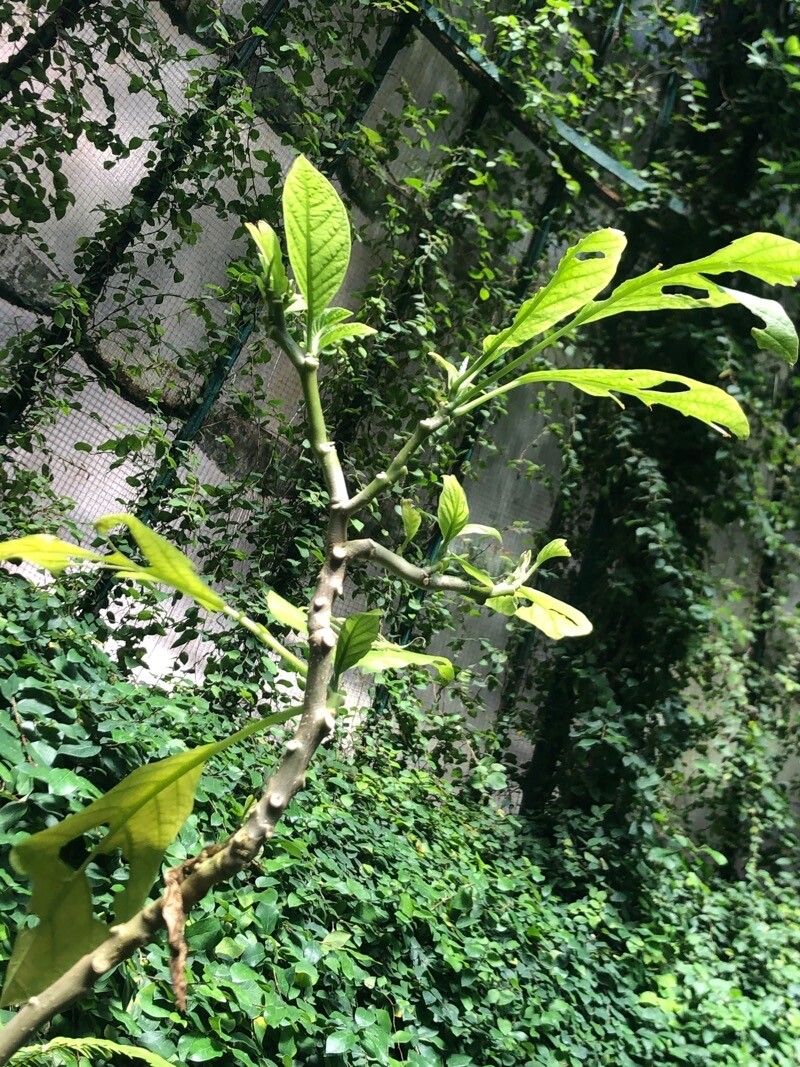
Oh, hello there! Come on in, grab a cuppa. Today, we’re diving into the wonderful world of Solanum arboreum, also sometimes known as the Chilean Nightshade or simply tree tomato. Now, I know that ‘tree tomato’ might make you think of growing tomatoes from those little seeds, but this is a whole different kettle of fish! Solanum arboreum is just gorgeous with its starry, often vibrant flowers and attractive foliage. It can really make a statement in the garden, or even as a striking specimen in a large pot.
Propagating this beauty is incredibly rewarding. There’s such a thrill in taking a piece of a plant you love and coaxing it into its own life. It’s a wonderful way to expand your collection, share with friends, or just feel that connection to the natural world. For Solanum arboreum, I’d say it’s moderately easy to propagate. It’s not quite as foolproof as, say, a geranium, but with a little care and the right approach, you’ll likely be very successful.
The Best Time to Start
My favorite time to get down to business with Solanum arboreum is during its active growing season. Think late spring or early summer. This is when the plant is full of vigor, and the cuttings have plenty of energy to put into developing roots. Starting too late in the season can mean your new plantlet won’t have enough time to establish before cooler weather arrives.
Supplies You’ll Need
Here’s what I always have on hand when I’m ready to propagate:
- Clean, sharp pruning shears or a sharp knife: Essential for making clean cuts to prevent disease.
- Potting mix: A well-draining mix is key. I often use a blend of peat moss or coco coir, perlite, and a bit of compost. You can also buy specific seed-starting or propagation mixes.
- Small pots or propagation trays: Clean pots are a must! Small ones are perfect for cuttings.
- Rooting hormone (optional but recommended): This encourages faster and stronger root development. Look for one with IBA (Indole-3-butyric acid).
- A spray bottle: For misting your cuttings.
- Plastic bags or a propagator lid: To create a humid environment.
- Labels and a pen: So you don’t forget what you’ve planted!
Propagation Methods
Let’s get our hands dirty! For Solanum arboreum, stem cuttings are my go-to method.
Stem Cuttings: Step-by-Step
- Select a healthy stem: Look for a semi-hardwood stem. This means it’s not brand new and flexible, but not old and woody either. It should be firm but still snap when bent, not just wilt.
- Take the cutting: Using your clean shears, make a cut just below a leaf node (where a leaf grows from the stem). Aim for cuttings that are about 4-6 inches long.
- Prepare the cutting: Gently remove the lower leaves from the cutting, leaving only the top 2-3 leaves. This prevents them from rotting in the soil. If the remaining leaves are very large, you can even cut them in half to reduce water loss.
- Apply rooting hormone (if using): Dip the cut end of the stem into the rooting hormone powder, ensuring it’s coated. Tap off any excess.
- Potting up: Fill your small pots with your prepared, moistened potting mix. Make a small hole in the center of the soil with your finger or a pencil.
- Insert the cutting: Gently place the hormone-coated end of the cutting into the hole. Firm the soil gently around the stem to ensure good contact.
- Water gently: Water the soil thoroughly but avoid waterlogging.
- Create humidity: Place the pot into a plastic bag or cover it with a propagator lid. Make sure the leaves don’t touch the sides of the bag if possible.
The “Secret Sauce” (Pro Tips)
Now for a couple of little tricks that have made a big difference for me:
- Bottom Heat is Your Friend: While not strictly essential, placing your pots on a heated propagation mat can significantly speed up root formation. It mimics the warmth of spring soil and gives those roots a real kickstart.
- Don’t Be Afraid to Experiment with Water: Yes, you can root Solanum arboreum in water, but here’s the trick: change the water every few days religiously. And crucially, ensure the leaves never, ever dip below the waterline. This is where rot loves to set in. I find soil propagation a bit more robust for this particular plant, but water can work if you’re diligent.
- A Gentle Mist is Better: Instead of drenching the leaves, a light misting with your spray bottle every day or two is usually sufficient to keep humidity levels up inside the bag or propagator. Overwatering the foliage can lead to fungal issues.
Aftercare & Troubleshooting
Once your cuttings have been in their humid environment for a few weeks, it’s time to check for roots. You can do this by gently tugging on the cutting. If there’s resistance, you’ve got roots!
- Acclimatize: Slowly introduce your new plant to normal air. Open the plastic bag the first day for an hour, then two, then leave it off for longer periods over a week.
- Potting On: Once the roots are well-established and you see new growth, you can pot your new Solanum arboreum into a slightly larger pot with good quality potting soil. Keep it in bright, indirect light and water regularly, allowing the top inch of soil to dry out between waterings.
- Troubleshooting: The most common issue is rot. If your cutting turns black and mushy, or the leaves start to yellow and drop off quickly despite adequate moisture, it’s likely rot. This is usually caused by too much moisture, poor drainage, or not enough air circulation. If you catch it early, you might be able to salvage the healthy part of the stem and try again.
A Encouraging Closing
Propagating plants is a journey of patience and observation. Don’t get discouraged if your first few attempts aren’t perfect. Every cutting is a learning experience. Enjoy the process of watching those tiny roots emerge, and soon you’ll have a beautiful new Solanum arboreum to admire and perhaps even share. Happy gardening!
Resource: