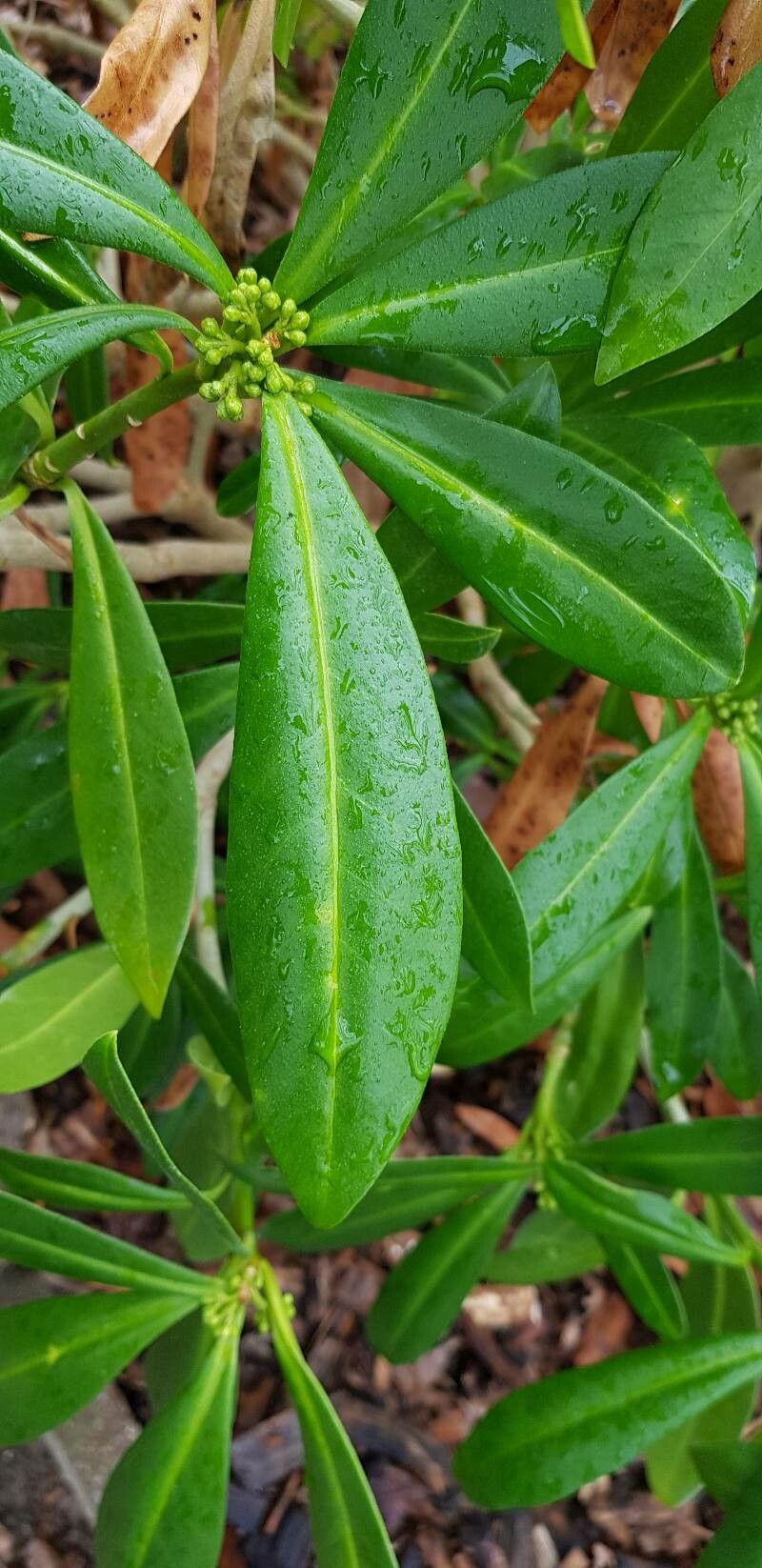
Hello there, fellow plant lovers! It’s so lovely to have you join me in my little corner of the garden today. We’re going to talk about a plant that truly brings a splash of evergreen elegance to any shady spot: Skimmia anquetilia.
Why Grow Skimmia? And Why Propagate It!
Skimmia anquetilia (sometimes called Skimmia laureola) is a real gem. It’s a robust, compact evergreen shrub that offers lovely, fragrant flower spikes in spring, followed by attractive red berries on female plants (you’ll need a male pollinator nearby for those!). Its glossy, dark green leaves are a welcome sight even in the depths of winter.
Propagating Skimmia is wonderfully rewarding. There’s a special kind of joy in nurturing a tiny cutting into a fully-fledged plant. Plus, it’s a fantastic way to get more of these beauties for your garden or to share with friends. Now, for beginners, Skimmia can be a little on the challenging side. It’s not impossible by any means, but it does appreciate a bit of attentive care. Don’t let that deter you, though – with a few pointers, you’ll be well on your way!
The Best Time to Start
My sweet spot for propagating Skimmia is late spring to early summer. This is when the plant is actively growing, and the new shoots are usually a bit softer and more pliable – perfect for taking cuttings. You want to catch those semi-hardwood stems. Avoid taking cuttings from old, woody growth or flimsy, brand-new growth.
Supplies You’ll Need
Here’s what I like to have on hand:
- Sharp pruning shears or a clean knife: For making clean cuts.
- Rooting hormone: This is a lifesaver for tricky-to-root plants like Skimmia. A powder or gel works well.
- Well-draining potting mix: I usually use a 50/50 blend of peat moss (or coco coir) and perlite. This provides good aeration and retains a little moisture.
- Small pots or trays: Clean containers with drainage holes are essential.
- A plastic bag or propagator lid: To create a humid environment for your cuttings.
- Labels: To mark your cuttings with the date and variety.
- A watering can with a fine rose: For gentle watering.
Propagation Methods: Stem Cuttings
This is my go-to method for Skimmia. It’s reliable and gives you a good chance of success.
- Take Your Cuttings: On a mild day, select healthy, vigorous shoots from your mature Skimmia plant. You’re looking for stems that are about 4-6 inches long.
- Prepare the Cuttings: Using your clean shears, make a cut just below a leaf node (where a leaf joins the stem). This is where the magic happens for root formation.
- Prepare the Stem: Gently remove the leaves from the bottom 2 inches of the cutting. You can leave a few leaves at the top to help the plant photosynthesize. If the remaining leaves are very large, I sometimes cut them in half horizontally to reduce water loss.
- Apply Rooting Hormone: Dip the cut end of the stem into your rooting hormone, tapping off any excess. This step really boosts your chances.
- Pot Them Up: Fill your small pots with your prepared potting mix. Make a small hole with a pencil or your finger in the center of the soil.
- Insert the Cuttings: Gently place the prepared cutting into the hole, and firm the soil gently around the base to ensure good contact.
- Water Well: Water your cuttings thoroughly but gently. You want the soil to be moist but not waterlogged.
- Create Humidity: Place the pots inside a clear plastic bag or cover them with a propagator lid. This traps moisture and keeps the humidity high, which is crucial for cuttings to root. Make sure the leaves don’t touch the sides of the bag so they don’t rot.
The “Secret Sauce” (Pro Tips)
Here are a couple of tricks I’ve learned over the years that can make a big difference:
- Don’t Be Afraid of a Little Heat: Skimmia cuttings benefit from gentle bottom heat. If you have a heat mat from propagation, pop your pots on it. If not, a warm windowsill that doesn’t get direct, scorching sun can often provide enough ambient warmth.
- Watch for Condensation: The condensation on the inside of your plastic bag is a good sign! It tells you the humidity is high. However, if you see excessive condensation that never seems to dry, it might be a good idea to briefly open the bag for a few minutes each day to allow for some air circulation. This helps prevent fungal diseases.
Aftercare & Troubleshooting
Once your cuttings have rooted – and this can take anywhere from six weeks to a few months – you’ll start to see new leaf growth.
- Rooting Check: You can gently tug on a cutting. If you feel resistance, you likely have roots!
- Acclimatize: Once roots have formed, gradually start to acclimatize your cuttings to the outside air. Open the plastic bag or propagator lid for longer periods each day over about a week before removing it completely.
- Potting On: Once they are well-established and have a decent root system, you can pot them into slightly larger individual pots. Continue to keep them in a bright, indirect light location.
- Signs of Trouble: The most common issue is rot. If your cuttings turn black and mushy, that’s usually a sign of too much moisture combined with poor air circulation. It’s often best to discard infected cuttings to prevent it from spreading. Wilting without new growth can indicate they haven’t rooted, or they are drying out. Check the soil moisture and humidity.
A Little Patience Goes a Long Way
Propagating Skimmia takes a bit of patience, my friends. Not every cutting will make it, and that’s perfectly okay. Think of it as a learning opportunity. Celebrate the successes, learn from the challenges, and most importantly, enjoy the process of growing something beautiful from scratch. Happy gardening!
Resource: