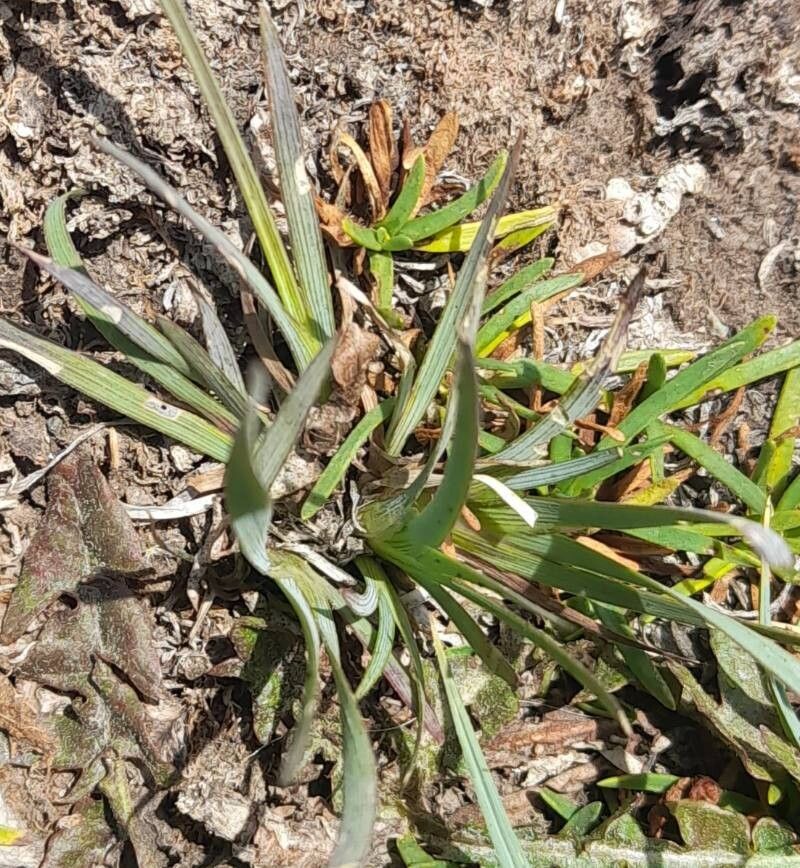
Hello there, fellow garden enthusiasts! I’m so excited to share a little bit of my passion with you today, focusing on a truly charming plant: Sisyrinchium chilense, often called Blue-eyed Grass.
The Magic of Blue-eyed Grass
These delicate, star-shaped blue or purple flowers, often with a sunshine-yellow center, are like little jewels sprinkled through the garden. They bring a touch of gentle whimsy and delightful color, especially in drifts. And the best part? Propagating Sisyrinchium chilense can be an incredibly rewarding experience. It’s a fantastic plant for beginners looking to dip their toes into the world of plant propagation—you’ll be amazed at how readily it reproduces!
When to Get Your Hands Dirty
The absolute best time to try your hand at propagating Sisyrinchium chilense is in the spring, as new growth begins to emerge. You can also propagate from divisions in the fall, after the flowering season has ended but before the really cold weather sets in. Look for plants that are actively growing, not stressed by heat or drought.
Gathering Your Tools
Here’s what you’ll want to have on hand before you start:
- Sharp pruning shears or a clean, sharp knife: For making clean cuts.
- Well-draining potting mix: A mix designed for succulents or cacti works beautifully, or you can create your own by combining regular potting soil with perlite or coarse sand.
- Small pots or trays: With drainage holes, of course!
- Rooting hormone (optional but helpful): A powdered or liquid hormone can encourage faster root development.
- Watering can or spray bottle: For gentle watering.
- Labels and a pen: To keep track of your new babies!
- A warm spot or heat mat (optional): Many plants benefit from a little bottom warmth.
- A clear plastic bag or dome: To create a humid environment for cuttings.
Let’s Get Propagating!
Sisyrinchium chilense is most easily propagated through division, which is essentially splitting up existing clumps.
Method: Division
- Gently unearth the plant: With your trowel or spade, carefully dig around the base of the mature Sisyrinchium plant. You want to lift the entire root ball out of the soil.
- Loosen the root ball: Gently shake off some of the excess soil. You’ll see that the plant naturally forms clumps or crowns.
- Divide the clumps: Using your hands, or carefully with your pruning shears if the roots are tangled, separate the plant into smaller sections. Each section should have a good portion of roots and some leafy shoots. Aim for divisions that are roughly the size of a golf ball or a bit larger.
- Trim any damaged roots: While you’re at it, snip off any dead or mushy bits of root.
- Pot them up: Fill your small pots with your well-draining potting mix. Make a small hole in the center of the soil for each division.
- Plant the divisions: Place each division into its hole, ensuring the top of the root ball is just at or slightly below the soil surface. Bury the crown just where the leaves emerge from the roots.
- Water gently: Water the newly potted divisions thoroughly but gently. You don’t want to blast the soil away.
- Place in a good spot: Put them in a location that receives bright, indirect light. Avoid harsh direct sun, especially for the first few weeks.
The “Secret Sauce” for Success
Here are a couple of little tricks I’ve learned over the years:
- Don’t overwater divisions: While they need moisture, overly soggy soil is the quickest way to invite rot. Let the top layer of soil dry out slightly between waterings.
- Consider a bit of shade: Especially if you’re dividing in warmer weather, giving your new divisions a spot that’s protected from the hottest afternoon sun will really help them settle in.
Aftercare and What to Watch For
Once your Sisyrinchium divisions are potted, keep the soil consistently moist but not waterlogged. You should start to see signs of new growth within a few weeks.
The most common thing to watch out for is rot. If a division turns mushy or black from the base up, it’s likely suffering from too much moisture or poor drainage. If you spotted some of this early, you might be able to salvage a healthier part if it’s not too far gone, but often it’s best to discard the affected bit.
Keep Growing!
Propagating plants is all about patience and observation. Don’t be discouraged if not every single division takes. Each attempt is a learning opportunity, and the joy of seeing those new little plants establish themselves is truly wonderful. Happy gardening, everyone!
Resource:
https://identify.plantnet.org/k-world-flora/species/Sisyrinchium%20chilense%20Hook./data