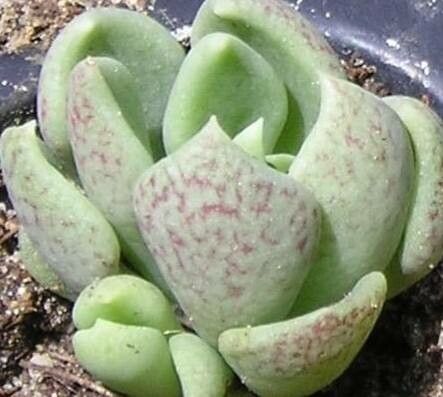
Hello there, fellow plant lovers! Today, I want to chat about a truly charming succulent that’s been capturing my heart for years: Sinocrassula densirosulata. If you haven’t encountered this little gem before, imagine a tightly clustered rosette of plump, jade-green leaves, often with a subtle reddish blush on their tips. It’s like a tiny, architectural masterpiece sitting on your windowsill!
I find propagating Sinocrassula incredibly rewarding. It’s a lovely way to share the joy of these plants with friends, or simply to build up your own collection without breaking the bank. For beginners, I’d say Sinocrassula densirosulata is moderately easy to propagate, which makes it a fantastic choice for those looking to dip their toes into the world of succulent propagation. You’ll get a good understanding of what works and what doesn’t.
The Best Time to Start
My go-to time for propagating Sinocrassula densirosulata is during the active growing season, which for most of us means late spring through summer. This is when the plant has the most energy to produce new roots and leaves. You’ll see vibrant growth, and your cuttings will be eager to establish themselves. Starting then gives them the best shot at a strong start.
Supplies You’ll Need
Gathering your supplies beforehand makes the whole process smoother. Here’s what I usually have on hand:
- Sharp Pruning Shears or a Clean Knife: For taking clean cuts.
- Well-Draining Potting Mix: A cactus/succulent mix is ideal. You can also make your own by combining potting soil with perlite and coarse sand.
- Small Pots or Seedling Trays: Anything that drains well.
- Rooting Hormone (Optional but Recommended): Helps speed up root development.
- A Spray Bottle: For gentle watering.
- Newspaper or Paper Towels: To let cuttings callous.
Propagation Methods
There are a couple of tried-and-true ways to multiply your Sinocrassula densirosulata.
Stem Cuttings
This is my favorite and often the most successful method.
- Select a Healthy Stem: Look for a mature, healthy stem. Using your sharp pruning shears or knife, make a clean cut about 2-3 inches down from the tip.
- Remove Lower Leaves: Gently remove the bottom few leaves from the cutting. You can even save these leaves for a separate propagation attempt later!
- Let it Callous: This is crucial! Place the cutting in a dry, well-ventilated spot away from direct sunlight for 2-7 days. You want the cut end to dry out and form a protective scab. This prevents rot when you plant it.
- Plant the Cutting: Once calloused, you can either dip the cut end in rooting hormone (if using) or simply insert the calloused end about an inch deep into your prepared, slightly damp potting mix.
- Provide Indirect Light: Place the pot in a spot where it gets bright, indirect light.
Water Propagation (with a Caveat!)
While some succulents do wonderfully in water, Sinocrassula can be a bit more prone to rot if not handled carefully. If you’re going to try this:
- Take Cuttings and Let Them Callous as described above.
- Place Cuttings in Water: Use a glass or jar and fill it with clean water. Crucially, ensure the leaves of the cutting do NOT touch the water. You can use toothpicks to suspend the cutting if needed.
- Change Water Regularly: Daily water changes are best to keep it fresh and prevent bacterial growth.
- Roots will Appear: You’ll see tiny roots emerge from the cut end within a few weeks.
- Plant Once Roots are Established: Once the roots are about an inch long, carefully plant the cutting in your succulent mix.
The “Secret Sauce” (Pro Tips)
Here are a few little tricks I’ve picked up that have made all the difference:
- Bottom Heat is Your Friend: If you propagate during cooler months or want to give your cuttings an extra boost, placing your pots on a gentle seedling heat mat can significantly speed up root formation. Just a low setting is all you need.
- Don’t Rush the Watering: Resist the urge to water right after planting your calloused cuttings. Wait for about a week or so before giving them their first gentle watering from the bottom (letting the pot sit in a tray of water for about 30 minutes). This encourages roots to seek out moisture.
- Watch for “The Wiggle”: When you gently tug on a cutting after a few weeks, and it resists with a bit of firmness, that’s your sign! It means roots have formed and it’s starting to anchor itself.
Aftercare & Troubleshooting
Once your cuttings have developed roots (you’ll see new growth or feel that resistance), it’s time for a little more attention.
- Gradual Acclimation: If you’ve been propagating in a shadier spot, gradually introduce your new plant to more light. Don’t shock it with intense sun right away.
- Watering: Stick to the “soak and dry” method for watering. Water thoroughly when the soil is completely dry. Overwatering is the quickest way to kill a new succulent.
- Signs of Rot: The most common sign of trouble is mushy, black stems or leaves, especially at the soil line. This is usually due to too much moisture and not enough drainage or airflow. If you see this, try to act quickly by removing any affected parts and repotting in fresh, dry soil. Sometimes, it’s salvageable, but often it’s a sign that the cutting is lost.
- Stunted Growth: If your cutting shows no signs of growth after several weeks, don’t give up just yet! Some just take their sweet time. Ensure it’s getting adequate light and you’re not overwatering.
A Warm Farewell
Propagating plants is a journey, and Sinocrassula densirosulata is a wonderful companion for that journey. Be patient, observe your little ones closely, and don’t be discouraged if you have a few that don’t make it. Each attempt is a learning experience! Enjoy the process and the satisfaction of bringing new life into your garden. Happy propagating!
Resource: