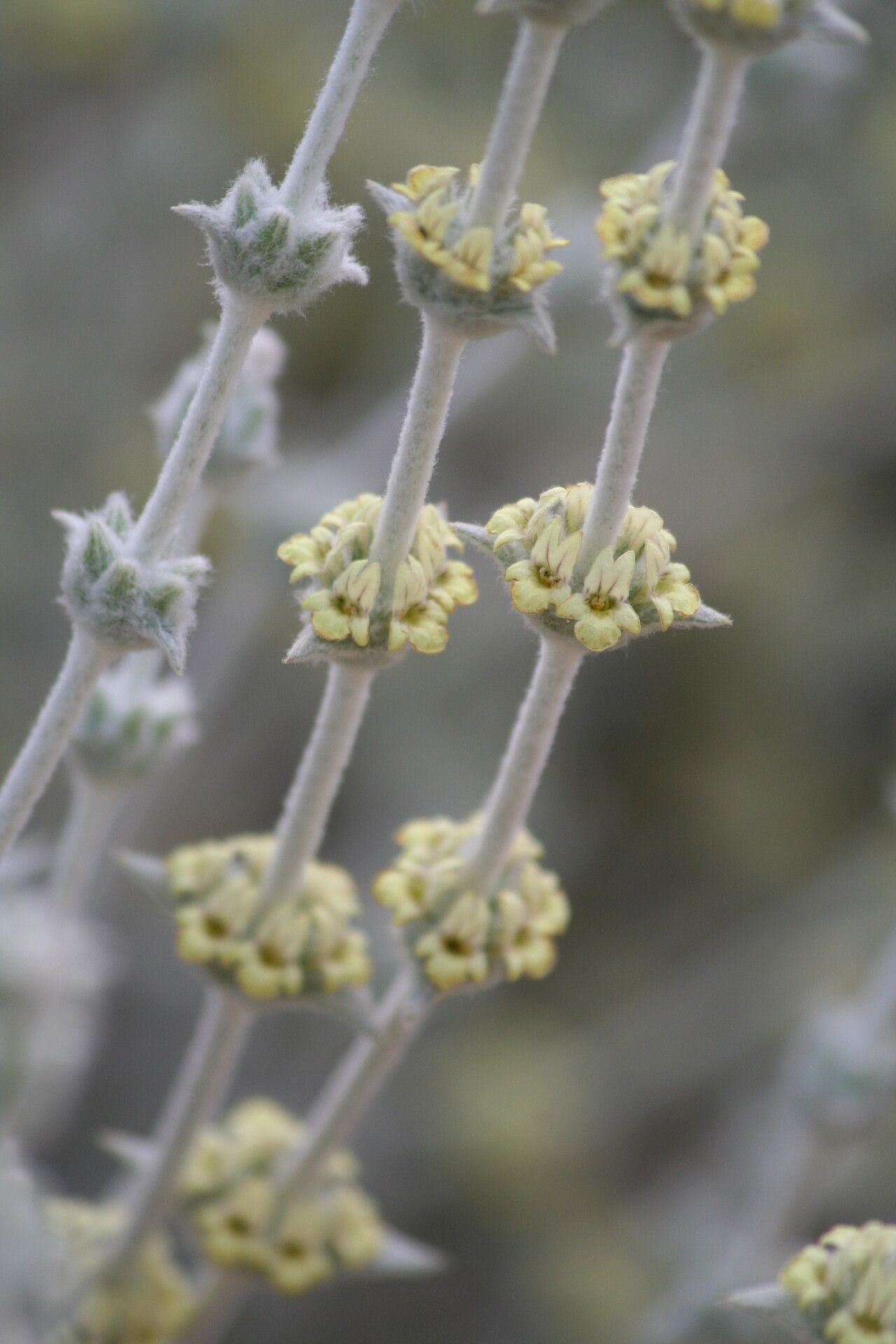
Hello, fellow plant enthusiasts! Today, we’re diving into the wonderful world of Sideritis trojana, also known as Trojan mountain tea or shepherd’s tea. If you’re drawn to its aromatic, silvery leaves and its promise of a lovely, hardy addition to your garden or windowsill, you’re in for a treat.
Propagating Sideritis trojana is a deeply satisfying venture. Watching a tiny cutting transform into a flourishing plant is simply magical. It’s not the trickiest plant to propagate out there, but it does require a little attention to detail. I wouldn’t label it for absolute beginners just yet, but if you’ve had a little success with other herbs or soft-stemmed plants, you’re definitely ready to give this one a go!
The Best Time to Start
For the highest chance of success, I always recommend starting your Sideritis trojana propagation in late spring to early summer. This is when the plant is actively growing and has plenty of healthy, semi-hardwood stems to work with. You want to avoid trying to propagate from very soft, brand-new growth or from old, woody stems if you can help it. Think of it as catching the plant at its energetic peak!
Supplies You’ll Need
Gathering your tools beforehand makes the whole process much smoother. Here’s what I typically have on hand:
- Sharp, clean pruners or a craft knife: Cleanliness is key to preventing disease.
- Rooting hormone (optional but recommended): A powder or liquid will help encourage root development.
- A well-draining potting mix: A blend of peat moss, perlite, and a touch of coarse sand works beautifully. I often use a 50/50 mix of good quality potting soil and perlite.
- Small pots or seed trays: Clean containers are essential.
- Watering can or mister: For gentle watering.
- Plastic bags or a propagator: To maintain humidity.
- Labels: To remember what you’ve propagated and when!
Propagation Methods
The most reliable method for Sideritis trojana is stem cuttings. It’s straightforward and yields great results.
Stem Cuttings:
- Select your mother plant: Choose a healthy, vigorous Sideritis trojana.
- Take cuttings: Using your clean pruners or knife, snip off sections of stem that are about 4-6 inches long. Aim for stems that are no longer bright green and floppy, but not yet fully woody and stiff. They should feel a little firm. Make your cut just below a leaf node (where a leaf attaches to the stem).
- Prepare the cuttings: Gently remove the lower leaves from the cuttings. You only want to leave 2-3 sets of leaves at the top. This reduces water loss and prevents leaves from rotting in the soil.
- Apply rooting hormone (if using): Dip the cut end of each stem into your rooting hormone, tapping off any excess.
- Plant the cuttings: Fill your small pots or trays with your well-draining potting mix. Make a small hole in the center of each with your finger or a pencil. Gently insert the cut end of the Sideritis trojana cutting into the hole, and firm the soil around it.
- Water gently: Water the soil thoroughly but gently, ensuring it’s moist but not waterlogged.
- Create humidity: Cover the pots with a clear plastic bag or place them in a propagator. You can support the bag with small stakes so it doesn’t touch the leaves directly.
The “Secret Sauce” (Pro Tips)
Here are a few things I’ve learned over the years that often make a big difference:
- Bottom Heat is Your Friend: Sideritis trojana really benefits from a little warmth from below to encourage root formation. If you have a seedling mat, place your cuttings on it. If not, a warm windowsill that gets indirect sun can also work.
- Don’t Drown Them: While humidity is crucial, soggy soil is the enemy of cuttings. Ensure your mix is airy and that water drains freely. I often let the top layer of soil dry out slightly between waterings once the initial moisture has settled.
- Observe the Leaves: A healthy cutting will keep its leaves looking perky. If they start to yellow or droop dramatically after the initial wilting period, it’s a sign something’s not quite right.
Aftercare & Troubleshooting
Once your cuttings have been planted, place them in a bright spot with indirect sunlight. Direct sun can scorch delicate new leaves. Keep the humidity high by misting occasionally if your humidity dome isn’t perfectly sealed.
The real sign of success? New growth! You’ll start to see little leaves or stems emerging from the top of the cutting. This usually takes anywhere from 3-6 weeks. Once you see vigorous new growth, it’s a good indication that roots have formed. You can gently tug on the cutting to feel for resistance; if it moves easily, it hasn’t rooted yet.
The most common issue you might encounter is rot. If your cuttings turn mushy or develop black spots, it’s usually a sign of too much moisture. Discard any rotten cuttings and reassess your watering and drainage.
A Encouraging Closing
Propagating Sideritis trojana is a journey, and like any good journey, it requires patience and a bit of observation. Don’t be discouraged if your first few attempts aren’t perfect. Each experience teaches you something new. So grab your pruners, enjoy the process, and soon you’ll be surrounded by beautiful, aromatic mountain tea! Happy gardening!
Resource:
https://identify.plantnet.org/k-world-flora/species/Sideritis%20trojana%20Bornm./data