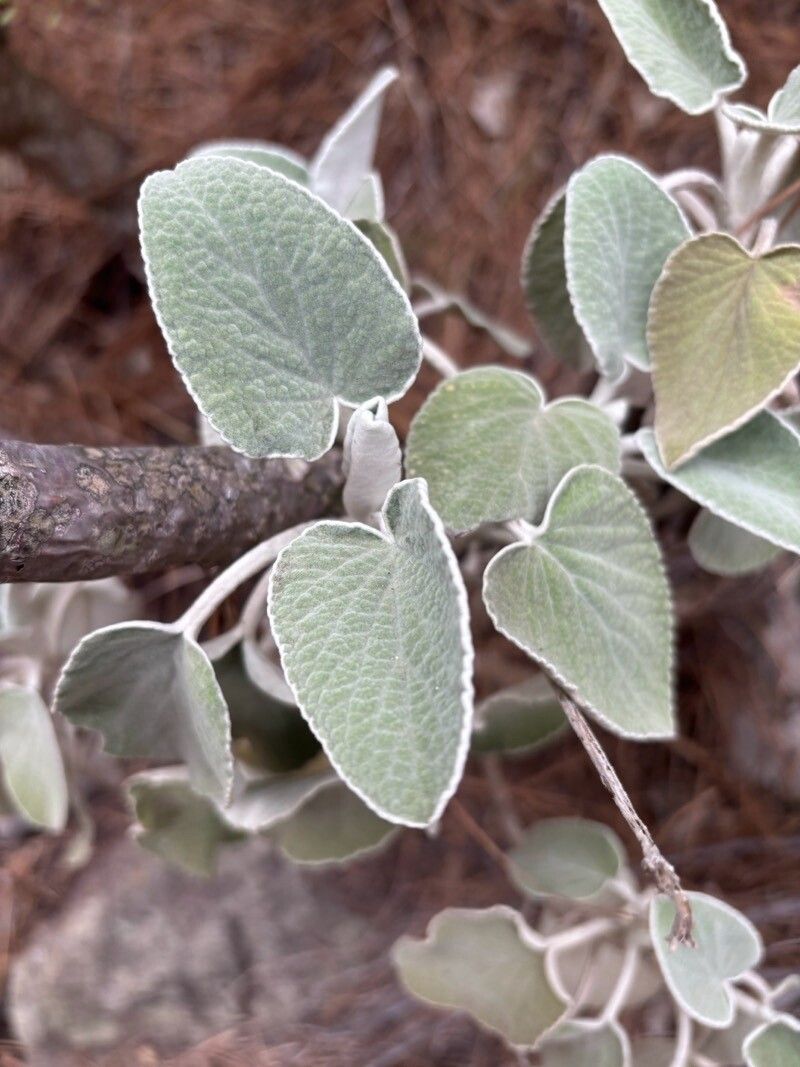
Oh, hello there! I’m so glad you’ve decided to delve into the wonderful world of propagating Sideritis nervosa. This charming little plant, often called Mountainsage or Ironwort, has this beautiful, slightly fuzzy foliage and sends up delicate, papery flowers that are just a delight. Plus, it smells absolutely divine, like a sun-drenched Mediterranean hillside.
There’s a special kind of satisfaction that comes from coaxing new life from a parent plant. It saves money, yes, but more importantly, it connects you to the cycle of growth in a really tangible way. Now, about difficulty: Sideritis nervosa can be a little finicky, so while I wouldn’t call it a beginner’s plant for, say, a geranium, it’s definitely achievable with a bit of care and understanding. We’ll get you there!
The Best Time to Start
For the most robust success, I find that late spring to early summer is your sweet spot. This is when the plant is in active growth after the initial spring flush. You’re looking for stems that are semi-hardwood – meaning they’re not brand new, floppy green shoots, but also not old, woody growth. Think of a pencil-thin stem that still has some flexibility to it. Trying to propagate too early or too late in the season can make things much harder.
Supplies You’ll Need
Here’s a little checklist to have on hand before you get started:
- Sharp Pruning Shears or a Clean Knife: For taking clean cuts, which helps prevent disease.
- Rooting Hormone (Optional but Recommended): Liquid or powder forms work well. It really gives your cuttings a boost.
- Well-Draining Potting Mix: A good blend for us is usually equal parts peat moss, perlite, and a bit of coarse sand. You can also buy specialized succulent or cactus mixes.
- Small Pots or Trays: With drainage holes, of course!
- Plastic Bags or a Propagator: To create a humid environment.
- Watering Can with a Fine Rose: For gentle watering.
- Labels and a Marker: Trust me, you’ll thank yourself later!
Propagation Methods
We’ll focus on the method that gives me the best results with Sideritis nervosa: stem cuttings.
- Take Your Cuttings: Using your clean pruners, make a cut just below a leaf node (where a leaf meets the stem). Aim for cuttings that are 4-6 inches long. It’s best to take more than you think you’ll need, as not all of them will take. Remove any lower leaves, leaving just a few at the top.
- Prepare the Cuttings: If you’re using rooting hormone, dip the cut end of each stem into it, tapping off any excess. You can skip this step if you prefer, but it does improve the odds.
- Plant Your Cuttings: Fill your small pots with your well-draining mix. Make a small hole in the center of each pot with a pencil or your finger. Gently insert the cut end of a stem cutting into the hole. Firm the soil around it so the cutting stands upright.
- Create Humidity: This is crucial! Water the soil gently until it’s moist but not waterlogged. Then, carefully place a clear plastic bag over the pot, making sure it doesn’t touch the leaves too much. You can use skewers or sticks to hold the bag up if needed. Alternatively, use the bottom tray of a propagator.
The “Secret Sauce” (Pro Tips)
Here are a few little tricks I’ve learned over the years that make a big difference:
- Don’t Let Leaves Touch Water: When you water your cuttings, be careful not to soak the soil so much that the lower leaves of the cuttings are submerged. Those wet leaves become a breeding ground for rot.
- Bottom Heat is Your Friend: Sideritis nervosa roots much faster when its feet are warm. If you have a heat mat made for seedlings, place your pots on top of it. It doesn’t need to be super hot, just consistently warm.
- Air Circulation Matters: While humidity is key, stagnant air can encourage fungal issues. If you’re using a plastic bag, open it up for a few minutes each day to let in fresh air. This is sometimes called “burping” your cuttings.
Aftercare & Troubleshooting
Once your cuttings are planted, find a spot for them that gets bright, indirect light. Avoid direct sun, which can scorch those tender new shoots. Be patient! Roots can take anywhere from 4 weeks to several months to develop.
You’ll know they’re rooting when you give the stem a very gentle tug and feel resistance, or you start to see new growth at the tip. At this point, you can gradually start to acclimatize them to normal humidity by opening the plastic bag a little more each day until it’s completely removed. Continue to water as needed, allowing the top inch of soil to dry out between waterings.
The most common problem you’ll encounter is rot. If a cutting turns black and mushy, sadly, it’s usually a goner. This is often a sign of too much moisture, poor drainage, or lack of air circulation. If you see it happening, try to remove the affected cutting immediately to prevent it from spreading. Don’t be discouraged; just try again with a fresh cutting and perhaps a bit more attention to those pro tips!
A Little Bit of Patience Goes a Long Way
Propagating Sideritis nervosa is a journey, not a race. There will be times when you question your green thumb, but trust me, every gardener has these moments! Celebrate the successes, learn from the failures, and most importantly, enjoy the process of bringing more of this beautiful plant into your life. Happy propagating!
Resource:
https://identify.plantnet.org/k-world-flora/species/Sideritis%20nervosa%20(Christ)%20Linding./data