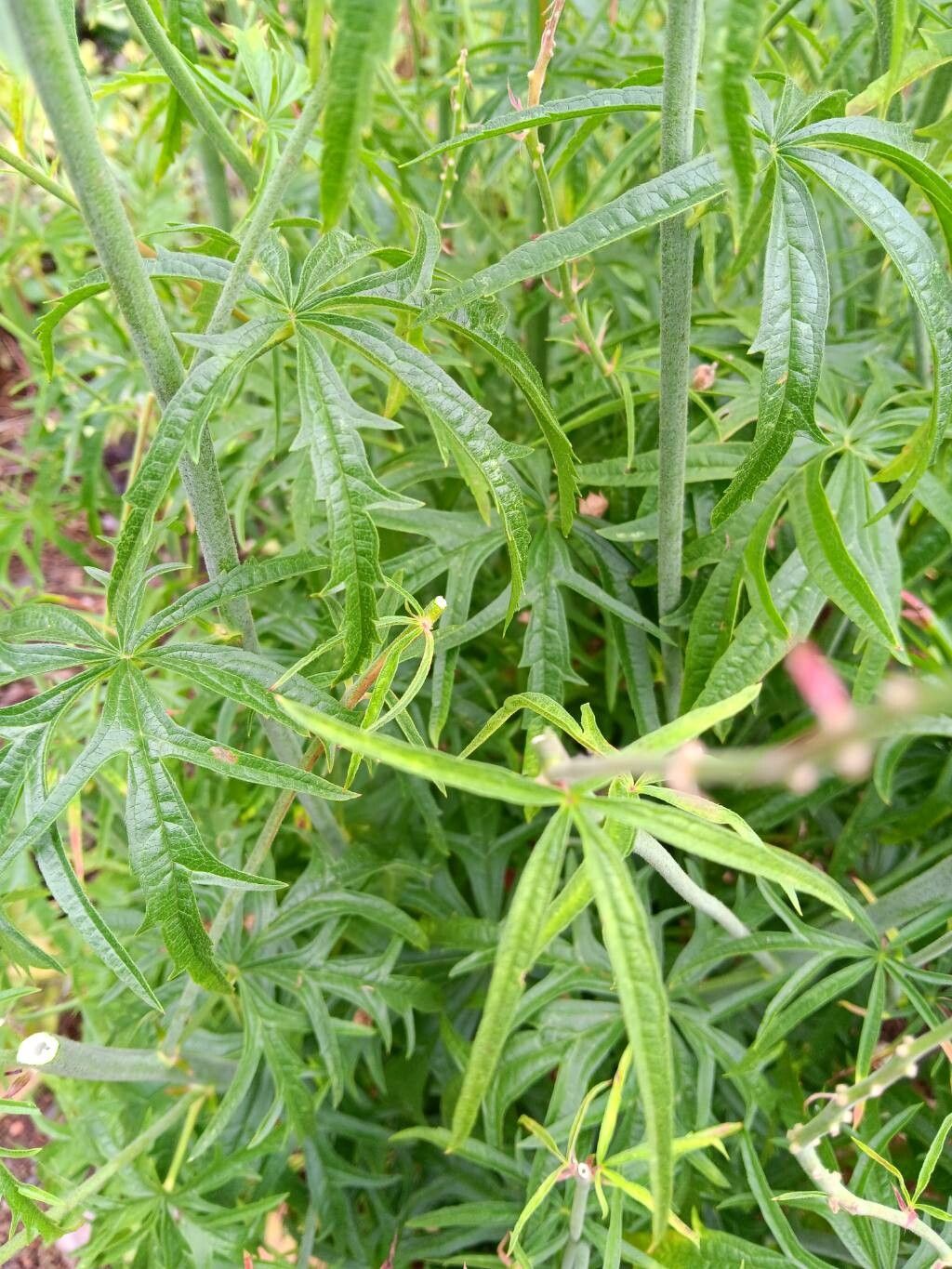
Oh, Sidalcea cusickii! If you’re looking for a plant that brings a burst of cheerful color and a touch of prairie charm to your garden, you’ve found a winner. This lovely native wildflower, often called Cusick’s checkerbloom, is a magnet for pollinators, and its tall spikes of vibrant pink to lavender blooms are truly a sight for sore eyes from late spring through summer.
And guess what? Propagating it isn’t nearly as intimidating as you might think! I find it to be a fairly rewarding process, even for those just dipping their toes into the gardening pool. It’s a great way to share this beauty with friends or simply expand your own collection without breaking the bank.
The Best Time to Start
For Sidalcea cusickii, my favorite time to get propagating is in the late spring or early summer. This is when the plant is actively growing and has plenty of energy to channel into new root development. You want your cuttings or divisions to be taken from healthy, vigorous growth, not from a plant that’s stressed or just finished flowering. Think lush, green stems!
Supplies You’ll Need
Gathering your tools beforehand makes the whole process go much smoother. Here’s what I usually have on hand:
- Sharp, clean pruning shears or scissors: Essential for making clean cuts.
- Potting mix: A well-draining mix is key. I often use a blend of peat moss and perlite or vermiculite. You can also find special seed-starting or propagation mixes.
- Small pots or containers: Seedling trays, small plastic pots, or even recycled yogurt cups with drainage holes will work.
- Rooting hormone (optional but recommended): This little powder or gel can significantly boost your success rate.
- Plastic bags or a propagator: To create a humid environment for cuttings.
- Watering can with a fine rose: For gentle watering.
- Labels: So you don’t forget what you planted where!
Propagation Methods
Sidalcea cusickii is quite amenable to a couple of different propagation methods. I find division to be the easiest and most successful for this particular plant.
Division
This is my go-to method for Sidalcea cusickii, especially for established plants.
- Dig it up: In late spring, when the plant is actively growing but before it gets too large, water your Sidalcea well. Then, gently dig it up, trying to disturb the roots as little as possible.
- Separate the clumps: Once the plant is out of the ground, you’ll likely see it’s formed several distinct crowns or clumps. You can carefully pull these apart with your hands. If they’re a bit stubborn, a clean spade or even your pruning shears can help you slice through any tough roots. Aim to get at least one healthy bud or crown on each division.
- Replant immediately: Get your divisions into their new homes right away! Plant them at the same depth they were previously growing. Water them in thoroughly.
Stem Cuttings
While division is my favorite, you can also have success with stem cuttings.
- Take your cuttings: Look for healthy, non-flowering shoots that are about 4-6 inches long. Make a clean cut just below a leaf node (where a leaf attaches to the stem). Remove the lower leaves, leaving just a couple at the top.
- Dip in rooting hormone: Dip the cut end of the stem into rooting hormone, tapping off any excess.
- Plant in the mix: Gently insert the cutting into your prepared potting mix, ensuring the nodes where you removed leaves are buried. The rooting hormone helps encourage root formation.
- Create humidity: Water the mix gently and then cover the pot or tray with a plastic bag or place it in a propagator. This helps keep the humidity high around the cuttings, which is crucial for them to root before they dry out. Place them in a bright spot, but out of direct sunlight.
The “Secret Sauce” (Pro Tips)
Here are a couple of things I’ve learned over the years that make a real difference:
- Don’t overwater the cuttings! This is probably the most common mistake. While they need moisture, soggy soil is a fast track to rot. Let the surface of the soil dry out just a tiny bit between waterings. For divisions, regular watering is more important initially to help them re-establish.
- Bottom heat can be a game-changer for cuttings. If you’re serious about propagation, a heated propagator mat can significantly speed up root development and improve success rates. It mimics the warmth of spring soil.
Aftercare & Troubleshooting
Once your divisions are replanted or your cuttings have rooted (you can tell by gently tugging on them – if they resist, they’ve got roots!), your job isn’t quite done.
For Divisions: Keep them consistently moist for the first few weeks as they settle in. Once established, you can water them according to their normal needs.
For Cuttings: Once they’ve rooted, you can gradually remove the plastic bag or open the propagator vents to let them acclimate to normal humidity. Continue to keep the soil moist. When they look like they’re growing actively and have a good root system, you can transplant them into their own small pots.
Now, if things go wrong, don’t despair! The most common issue you’ll encounter is rot, especially with cuttings. This usually happens from overwatering. If you see a cutting turning mushy and black, it’s unfortunately likely a goner. Just remove it and try again, being more mindful of soil moisture. Discolored or wilting leaves on divisions might mean they need more water or are struggling to adjust; just keep them consistently moist.
A Encouraging Closing
Gardening is all about patience and learning. Propagating Sidalcea cusickii is a wonderful way to deepen your connection with your plants and enjoy their beauty year after year. Don’t be discouraged if your first few attempts aren’t perfect. Just keep trying, observe your plants, and celebrate every bit of success. Happy propagating!
Resource:
https://identify.plantnet.org/k-world-flora/species/Sidalcea%20cusickii%20Piper/data